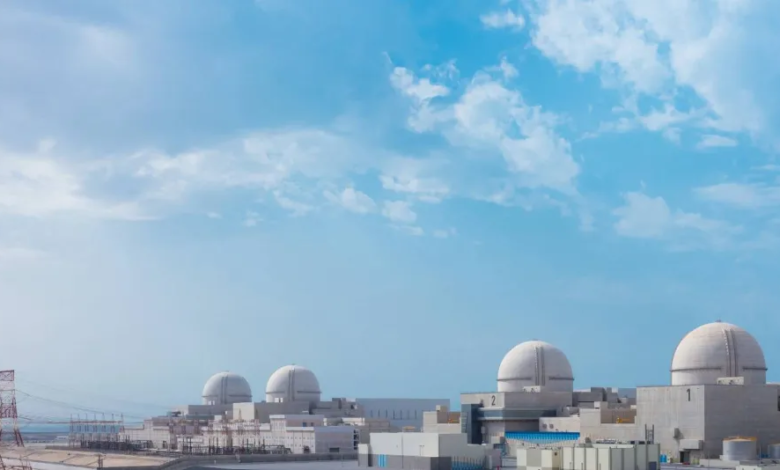

إدانة مجلس الأمن لمحاولة الهجوم على محطة براكة
أصدر مجلس الأمن الدولي بياناً شديد اللهجة أدان فيه بشدة التهديدات ومحاولات الهجوم التي استهدفت محطة براكة النووية في دولة الإمارات العربية المتحدة. وأكد المجلس في بيانه على أن استهداف البنية التحتية المدنية، وخاصة المنشآت النووية السلمية، يمثل انتهاكاً صارخاً للقانون الدولي ويهدد الأمن والسلم الإقليمي والدولي. وتأتي هذه الإدانة في ظل تصاعد التوترات في المنطقة، حيث شدد المجتمع الدولي على ضرورة حماية المشاريع الحيوية التي تخدم التنمية المستدامة وتوفر الطاقة النظيفة.
السياق العام والخلفية التاريخية للحدث
تعود خلفية هذه الأحداث إلى النزاع المستمر في اليمن، حيث أعلنت ميليشيات الحوثي في أوقات سابقة عن محاولات لاستهداف منشآت حيوية في دولة الإمارات، من ضمنها ادعاءات بإطلاق صواريخ باتجاه محطة براكة للطاقة النووية السلمية في منطقة الظفرة بإمارة أبوظبي. ورغم نفي السلطات الإماراتية القاطع لوصول أي صواريخ إلى أراضيها أو تعريض المحطة لأي خطر، وتأكيدها على امتلاك منظومة دفاع جوي متطورة قادرة على التصدي لأي تهديدات، إلا أن مجرد التهديد باستهداف منشأة نووية أثار قلقاً دولياً واسعاً واستدعى تدخلاً حازماً من مجلس الأمن لردع مثل هذه السلوكيات المهددة للاستقرار.
أهمية محطة براكة النووية السلمية
تعتبر محطة براكة للطاقة النووية مشروعاً استراتيجياً لدولة الإمارات العربية المتحدة، وهي أول محطة للطاقة النووية السلمية في العالم العربي. تهدف المحطة إلى تنويع مصادر الطاقة في البلاد، وتقليل الاعتماد على الغاز الطبيعي، وخفض الانبعاثات الكربونية بشكل كبير، مما يدعم جهود الإمارات في مواجهة التغير المناخي. يتكون المشروع من أربعة مفاعلات متطورة، وعند تشغيلها بالكامل، ستوفر المحطة ما يصل إلى 25% من احتياجات دولة الإمارات من الكهرباء، مما يجعلها ركيزة أساسية للتنمية الاقتصادية المستدامة في المنطقة.
التأثير المتوقع وأهمية الإدانة الدولية
على الصعيد المحلي، تعزز إدانة مجلس الأمن الثقة في الإجراءات الأمنية والدفاعية التي تتخذها دولة الإمارات لحماية منشآتها الحيوية، وتؤكد للمواطنين والمقيمين والمستثمرين استقرار البلاد وقدرتها الفائقة على حماية مكتسباتها الوطنية. أما على الصعيد الإقليمي، فإن هذا الموقف الدولي يوجه رسالة حازمة للجماعات المسلحة بأن المجتمع الدولي لن يتسامح مع أي تهديد يمس أمن الطاقة أو البنية التحتية المدنية في منطقة الشرق الأوسط، التي تعتبر شرياناً حيوياً للاقتصاد العالمي.
دولياً، تبرز هذه الإدانة التزام الأمم المتحدة ومجلس الأمن بالحفاظ على معايير السلامة النووية العالمية. إن أي تهديد للمنشآت النووية، حتى وإن كان سلمياً ومؤمناً بأعلى المعايير التكنولوجية، يعتبر خطاً أحمر. وتؤكد هذه الخطوة على التضامن الدولي مع دولة الإمارات في حقها المشروع في تطوير برنامجها النووي السلمي، وتدعم الجهود العالمية الرامية إلى مكافحة الإرهاب وضمان استقرار الدول. كما يعكس هذا التضامن إدراكاً عالمياً بأن أمن الإمارات هو جزء لا يتجزأ من الأمن العالمي، وأن حماية المشاريع التنموية الكبرى هي مسؤولية دولية مشتركة تتطلب تضافر الجهود الدبلوماسية والأمنية.