
In a significant development within the constitutional and political struggle in Washington, the US Senate rejected a resolution that aimed to limit President Donald Trump's authority to launch military operations against Iran without prior congressional approval. This vote underscores the continued dominance of the White House over foreign and defense policy decisions, amidst a sharp division among lawmakers regarding the limits of the president's power to declare war.
Voting details and party division
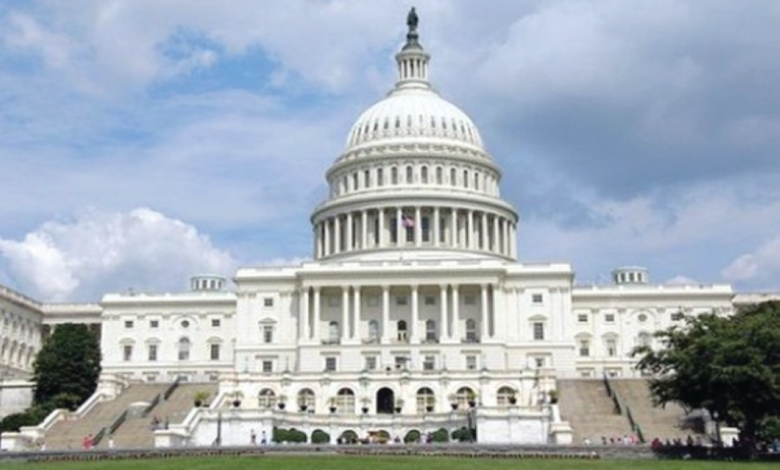
The resolution, sponsored by Democratic Senator Tim Kaine and Republican Senator Rand Paul, failed to secure the necessary majority to overcome procedural obstacles, given the Republican majority in the Senate, which holds 53 seats compared to 47. Most Republican members sided with the president, arguing that restricting the powers of the commander-in-chief during times of regional tension sends a message of weakness to adversaries, particularly the regime in Tehran.
Although a limited number of Republicans joined Democrats in supporting the resolution, it was not enough to form the required two-thirds majority to override a likely presidential veto. Democrats argue that the Constitution grants Congress the exclusive power to declare war, and that ongoing military operations go beyond the concept of direct "self-defense.".
Historical context and escalating tensions
This legislative move comes against a backdrop of heightened tensions between Washington and Tehran. The legislative effort stems from growing fears that the United States could be drawn into a full-blown war in the Middle East without public debate or legislative authorization. These fears have escalated to unprecedented levels following a series of security incidents and tit-for-tat strikes, most notably the assassination of General Qassem Soleimani (commander of the Quds Force) in Baghdad, and the subsequent Iranian retaliation targeting American interests in the region.
Observers note that the US administration justified its military actions by citing "imminent threats," a claim disputed by Senator Tim Kaine and several other lawmakers after secret security briefings, who stated that there was no conclusive evidence to justify bypassing Congress.
Strategic dimensions and impact of the decision
The failure of this decision carries broad implications that extend beyond the United States to affect the regional and international landscape:
- Domestically: This vote reinforces the principle of "imperial presidency" in foreign policy, where the president retains a wide margin of maneuver to use military force under the pretext of protecting national security.
- Regionally: The decision may be interpreted in Tehran and Middle Eastern capitals as a green light from the US to continue its "maximum pressure" policy and military deterrence, keeping the region on alert and anticipating any potential escalation.
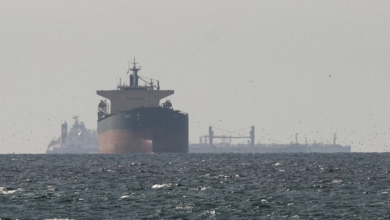
- Internationally: This trend is causing concern among European allies who fear a large-scale military confrontation that could affect global energy supplies and the security of waterways.
The Republican position and the issue of deterrence
For his part, Senator Lindsey Graham, one of Trump's staunchest allies, fiercely defended the administration's position, arguing that any constraint on the president would be a "gift" to the Iranian regime. Graham asserted on social media that US military action was necessary to deter attacks targeting American soldiers using improvised explosive devices and proxies in the region, emphasizing that the only language adversaries in the Middle East understand is that of force.