18 Senegalese fans jailed in Morocco after Africa Cup of Nations final: Details

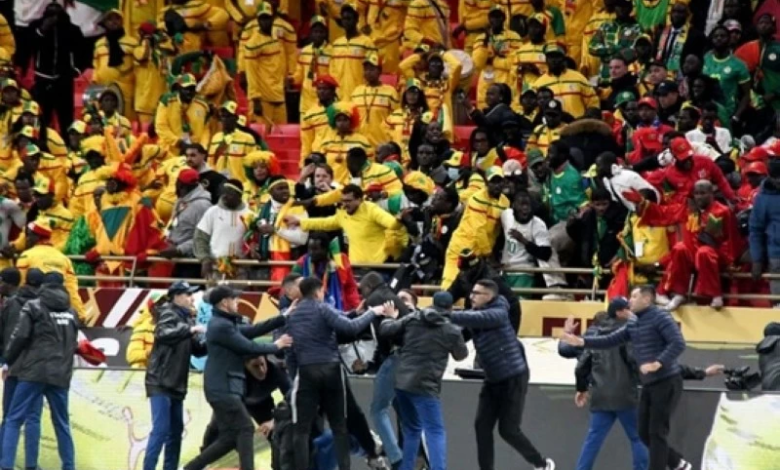
In a significant legal development following the conclusion of the Africa Cup of Nations, Moroccan courts issued harsh sentences against 18 Senegalese fans, ranging from three months to a full year in prison. These sentences stem from the fans' involvement in riots and widespread chaos that erupted after the final match between Morocco and Senegal.
Details of the rulings and charges
According to Agence France-Presse and judicial sources, the defendants faced a heavy list of "stadium riot" charges, including violence against security forces, damaging and vandalizing sports facilities and equipment, illegally entering the pitch, and throwing projectiles at security personnel and fans. These unfortunate events not only resulted in material losses but also negatively impacted the tournament's finale, necessitating a firm security intervention to control the situation and restore order.
The defense narrative and the tense match context
For their part, the Senegalese fans denied any serious wrongdoing during the trial, insisting they were not the instigators of the chaos. The events unfolded against a backdrop of heightened sporting tension, particularly after the referee awarded a penalty to Morocco in the match that ultimately saw Senegal crowned champions with a 1-0 victory after extra time. The celebrations, which had been expected to culminate in the title, unfortunately devolved into clashes and violence, marring the otherwise joyous African football spectacle.
Legal context: Morocco and the tightening of penalties for rioting
These sentences come within the framework of a strict national strategy adopted by Morocco to combat stadium violence. They are based on Law No. 09.09 amending the Penal Code, which aims to deter violence during matches or sporting events. Moroccan authorities consistently emphasize a "zero tolerance" policy towards any behavior that threatens the safety of fans or public property, whether at local or international matches, in order to guarantee a safe sporting environment.
Regional dimensions and impact of the event
Despite the strong and historic diplomatic and sporting ties between the Kingdom of Morocco and the Republic of Senegal, this incident is viewed as an isolated event being handled within a purely legal framework, separate from politics. Observers believe that the swift resolution of these cases and the issuance of verdicts send a powerful message to the international and African sporting community: Morocco, which is preparing to host major global and continental football events (such as the 2025 Africa Cup of Nations and the 2030 World Cup), prioritizes security and order.
Sportsmanship is about ethics before it is about competition
In conclusion, sports experts and analysts considered these rulings a powerful lesson for all sports fans about the importance of sportsmanship and respecting the laws of the host country. Sport, at its core, is a means of bringing people together, not a battleground, and winning titles is only truly achieved by respecting the rules and avoiding blind fanaticism that could lead to imprisonment.