
في خطوة رائدة تعكس التزام المملكة العربية السعودية بتطوير قطاع الرعاية الصحية، دشنت مدينة الملك سعود الطبية بالرياض، ممثلة بمركز التأهيل الطبي، خدمة تخصصية متقدمة تتمثل في استحداث «غرفة التكامل الحسي». يهدف هذا المشروع الطموح إلى تقديم برامج علاجية متكاملة تسهم بشكل مباشر في تأهيل أطفال التوحد بالرياض، وتعزيز جودة حياتهم بما يتماشى مع أفضل الممارسات العلاجية العالمية.
السياق العام والاهتمام بتأهيل أطفال طيف التوحد
يُعد اضطراب طيف التوحد من الحالات النمائية المعقدة التي تؤثر على كيفية تواصل الفرد وتفاعله مع محيطه. وتاريخياً، تطورت أساليب التعامل مع هذا الاضطراب لتنتقل من مجرد الرعاية الأساسية إلى التدخلات العلاجية الدقيقة التي تستهدف دمج الطفل في المجتمع. وفي هذا السياق، تولي رؤية المملكة 2030 اهتماماً بالغاً بتمكين الأشخاص ذوي الإعاقة وتوفير أحدث التقنيات الطبية لدعمهم. وقد أوضحت المدينة، التابعة لتجمع الرياض الصحي الأول، أن هذا الاستحداث جاء بالتعاون المثمر مع مركز تطور الطفل، ليشكل إضافة نوعية تسهم في تطوير الخدمات الطبية والتأهيلية.
دور العلاج الوظيفي في غرفة التكامل الحسي
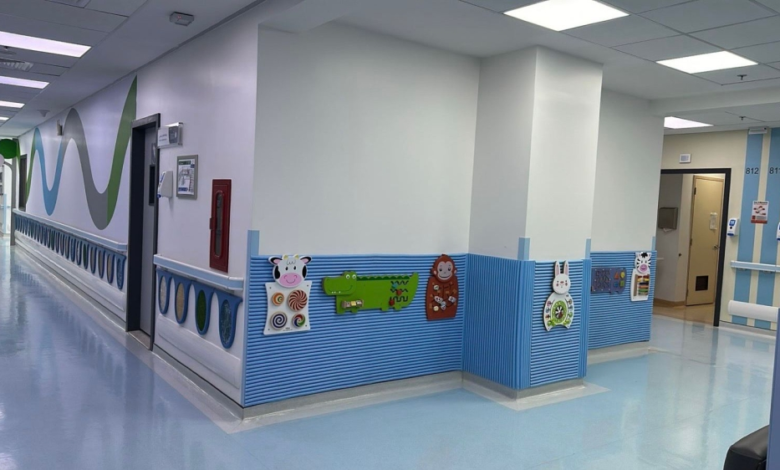
كشف مدير مركز التأهيل الطبي، الدكتور ياسر الثبيتي، عن الدور المحوري الذي يلعبه قسم العلاج الوظيفي في تقييم القدرات النمائية والحسية للأطفال. وأشار إلى أهمية إعداد خطط علاجية دقيقة ومخصصة لكل طفل، تدعم مهارات الحياة اليومية الأساسية، مثل ارتداء الملابس وتناول الطعام باستقلالية. وتوفر «غرفة التكامل الحسي» بيئة علاجية متخصصة وآمنة، تساعد على تنظيم الاستجابات الحسية للأطفال الذين يعانون من تحديات في التفاعل مع المؤثرات الخارجية.
الأثر المتوقع: محلياً وإقليمياً
على المستوى المحلي، ينعكس هذا المشروع إيجاباً على تنمية مهارات التواصل لدى الأطفال، ويسهم في تسهيل اندماجهم في محيطهم الاجتماعي والتعليمي. كما أن الخدمة لا تقتصر على الجانب العلاجي داخل المنشأة، بل تمتد لتشمل إرشاد مقدمي الرعاية وتزويدهم باستراتيجيات وأنشطة حسية يمكن تطبيقها في المنزل والمدرسة، مما يعزز استمرارية عملية التأهيل خارج أسوار المستشفى.
أما على الصعيد الإقليمي والدولي، فإن تبني مثل هذه التدخلات المتقدمة والمعتمدة دولياً، وتنفيذها بواسطة كوادر تأهيلية سعودية متخصصة وحاصلة على شهادات اعتماد في مجال التكامل الحسي، يرسخ مكانة المملكة كمركز رائد في الرعاية الصحية المتخصصة بالشرق الأوسط، ويضمن تحقيق أعلى معايير الجودة في تقديم الرعاية الصحية.
دعم مستهدفات جودة الحياة
في الختام، أكد الدكتور الثبيتي التزام مدينة الملك سعود الطبية بتيسير وصول المرضى إلى الخدمات التخصصية بكفاءة عالية. إن تمكين الأطفال من الاعتماد على أنفسهم لا يعد مجرد إنجاز طبي، بل هو دعم مباشر لمستهدفات الشمولية ضمن برامج «جودة الحياة»، مما يضمن مستقبلاً أكثر إشراقاً واستقلالية لأطفال طيف التوحد في المجتمع السعودي.