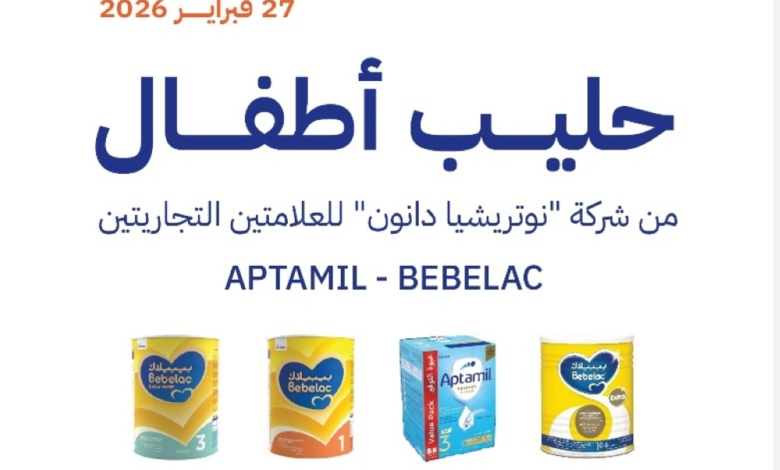
The Saudi Food and Drug Authority (SFDA) has issued an urgent warning to consumers regarding certain batches of infant formula products manufactured by Nutricia Danone, specifically the popular brands Aptamil and Bebelac. This warning follows a voluntary notification from the manufacturer indicating potential contamination of these batches with cerulide, a toxic substance produced by Bacillus cereus bacteria. This prompted an immediate precautionary recall to ensure the safety of infants.
In detailing the health risks, the authority explained that Bacillus cereus bacteria can cause symptoms of food poisoning that typically appear between half an hour and six hours after consuming the contaminated product. These symptoms include nausea, frequent vomiting, abdominal pain, and, in some cases, diarrhea. Although the symptoms are often short-lived and subside within 24 hours, the danger lies in their impact on infants and children with weakened immune systems, necessitating extreme caution and immediate medical attention should any signs of illness appear.
From a legal and regulatory standpoint, the authority emphasized that food safety is a red line that cannot be crossed. It noted that the Kingdom's food law and its implementing regulations impose strict penalties on violators and those responsible for distributing contaminated or harmful food. These penalties can reach up to 10 years imprisonment, a substantial fine of up to 10 million Saudi riyals, or both, in order to deter any negligence that could jeopardize the health of citizens and residents, especially vulnerable groups such as children.
This measure reflects the rigorous regulatory role played by the Saudi Food and Drug Authority (SFDA) to ensure the safety of food products in Saudi markets. Voluntary and mandatory recalls are part of international safety protocols designed to mitigate risks before they escalate. The SFDA continuously monitors international and local reports and conducts regular laboratory tests to verify that products conform to Gulf and Saudi standards, thereby enhancing consumer confidence in the regulatory system.
In closing, the authority urged consumers to check the batch numbers on milk cartons and compare them with those announced in the official warning. If the numbers match, consumers should immediately stop using the product and dispose of it safely. They should also consult a doctor if any unusual symptoms appear in their child. The authority further confirmed that it is closely monitoring the recall of affected products from the market in coordination with the importing company to ensure they are completely removed.