
Global commodity markets witnessed a dramatic shift on Wednesday, with precious metal prices plummeting as investors engaged in widespread profit-taking. This sudden decline follows a strong and promising start to the new year, reflecting the volatility gripping financial markets amid anticipation of global economic developments.
Details of price declines in global markets
In trading details, silver futures (for March delivery) saw a notable decline of 5.30%, settling at $76.755 per ounce at 5:32 PM Mecca time. The metal had reached highs of $82.585 at the start of the session before reversing course and falling.
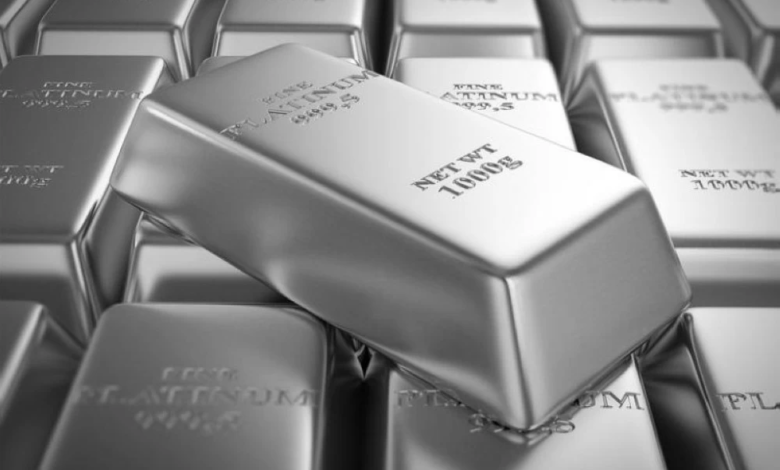
Silver wasn't the only casualty of the session; platinum led the losses, with February platinum futures plummeting 7.90% to $2,247.90. Simultaneously, March palladium prices fell 6.70% to $1,758, indicating strong selling pressure across the entire metals basket.
Economic context and reasons for the decline
This collective decline in the precious metals market, led by gold, comes after a strong rally in recent sessions. This rally was primarily fueled by financial market expectations that the US Federal Reserve might ease its monetary policy and cut interest rates, as well as concerns about weak global supply.
From an economic perspective, profit-taking is a healthy phenomenon in financial markets, where investors sell assets after making quick gains to secure liquidity, leading to temporary downward pressure on prices. However, the sensitivity of precious metals to US interest rate decisions remains the primary driver; any indication of monetary tightening or a stronger US dollar typically diminishes the appeal of metals that do not generate cyclical returns.
Industrial importance and future prospects
These price movements are particularly significant given the vital role these metals play in the global economy. Platinum and palladium are essential components in the automotive industry (specifically in catalytic converters to reduce emissions), while silver is widely used in the electronics and solar panel industries. Therefore, price fluctuations directly impact industrial production costs worldwide.
Despite the current downturn, some financial institutions remain optimistic. HSBC, for example, updated its silver forecast on Wednesday, raising its 2026 price estimate to $68.25 per ounce, up from its previous forecast of $44.50. This revision reflects the confidence of major institutions in the continued strong long-term demand for precious metals, driven by the shift towards clean energy and new technological applications, despite short-term price fluctuations.