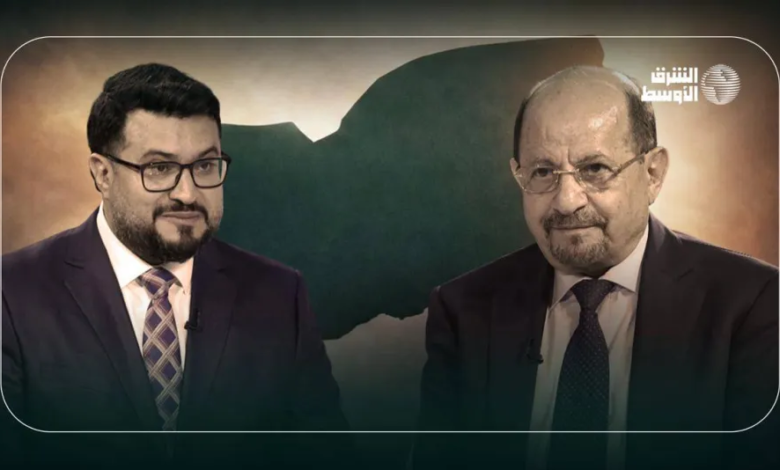

أكد وزير الخارجية وشؤون المغتربين اليمني، الدكتور شايع الزنداني، في تصريحات حديثة لصحيفة «الشرق الأوسط»، أن الحكومة اليمنية بصدد العودة إلى العاصمة المؤقتة عدن في القريب العاجل لممارسة مهامها، مشيراً إلى أن هذه الخطوة تأتي في إطار تعزيز حضور مؤسسات الدولة وتفعيل أدائها من الداخل اليمني.
وأوضح الزنداني أن احتفاظه بحقيبة الخارجية، بالتوازي مع الترتيبات الحكومية الجديدة، جاء بهدف استكمال حزمة من الإصلاحات الجذرية التي بدأتها الوزارة. وتهدف هذه الإصلاحات بشكل رئيسي إلى تصحيح الاختلالات الإدارية في السلك الدبلوماسي، وترشيد النفقات بالعملة الصعبة، وضمان تمثيل دبلوماسي فعال يخدم مصالح اليمن العليا في ظل الظروف السياسية والاقتصادية الراهنة.
خلفية التعيين ومسار الإصلاحات الدبلوماسية
يأتي حديث الوزير الزنداني في سياق مرحلة انتقالية هامة يشهدها مجلس القيادة الرئاسي والحكومة، خاصة بعد تعيينه خلفاً للوزير السابق أحمد عوض بن مبارك الذي تولى رئاسة الوزراء. وتواجه وزارة الخارجية اليمنية تحديات هيكلية تراكمت خلال سنوات الحرب المستمرة منذ انقلاب الحوثيين، أبرزها تضخم الكادر الدبلوماسي في السفارات والبعثات الخارجية بشكل لا يتناسب مع اللوائح، مما شكل عبئاً مالياً كبيراً على ميزانية الدولة المستنزفة.
وتسعى القيادة السياسية اليمنية إلى تنفيذ خطة تقشفية وإصلاحية شاملة، تتضمن تقليص عدد الدبلوماسيين، وإغلاق بعض الملحقيات الفنية غير الضرورية، وإعادة هيكلة البعثات بما يتناسب مع الحاجة الفعلية والقدرات المالية المتاحة، وهو الملف الشائك الذي تعهد الزنداني بإنجازه لضمان كفاءة الأداء الخارجي.
أهمية العودة إلى عدن وتأثيرها المحلي
تحمل عودة الحكومة بكامل قوامها إلى العاصمة المؤقتة عدن دلالات سياسية واقتصادية بالغة الأهمية. فعلى الصعيد المحلي، يمثل تواجد رئيس الحكومة والوزراء في مكاتبهم ضرورة ملحة للإشراف المباشر على تقديم الخدمات الأساسية للمواطنين، مثل الكهرباء والمياه والصحة، والتي شهدت تدهوراً ملحوظاً أدى إلى موجات من الاحتقان الشعبي في المحافظات المحررة.
كما أن التواجد الحكومي الدائم يعزز من ثقة المانحين الدوليين والشركاء الإقليميين، ويسهل عملية التنسيق المباشر مع البنك المركزي اليمني لإدارة الملف الاقتصادي المعقد، ومحاولة كبح جماح التضخم وانهيار العملة المحلية (الريال اليمني)، وهي ملفات تتطلب معالجات ميدانية عاجلة وقرارات حاسمة لا يمكن إدارتها بفعالية عن بعد.
السياق الإقليمي والدعم الدولي
تأتي هذه التحركات الحكومية بدعم واضح من تحالف دعم الشرعية بقيادة المملكة العربية السعودية، والمجتمع الدولي، الذين يشددون باستمرار في بياناتهم على ضرورة توحيد الصف اليمني وتعزيز مؤسسات الدولة الشرعية لمواجهة التحديات الأمنية والاقتصادية. وتعتبر عودة الحكومة خطوة أساسية لترسيخ الشرعية على الأرض، والتمهيد لأي مسار سياسي أو تفاوضي قادم يهدف لإنهاء النزاع في اليمن وفق المرجعيات المتفق عليها.