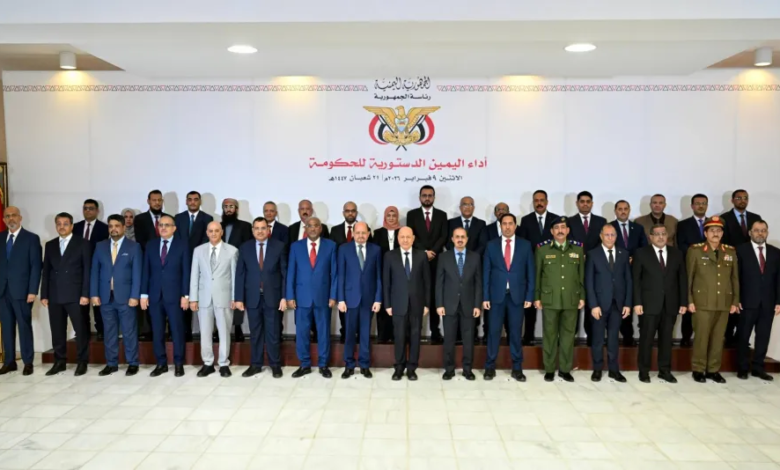
Shaya al-Zindani sworn in as Foreign Minister: Challenges facing the Yemeni government

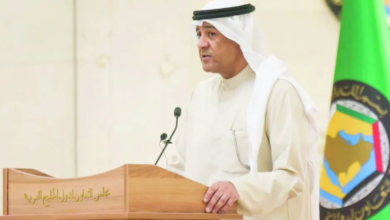
Dr. Shaya Mohsen Al-Zindani was sworn in before the Chairman of the Yemeni Presidential Leadership Council, Dr. Rashad Mohammed Al-Alimi, in the interim capital, Aden, officially assuming the portfolio of Minister of Foreign Affairs and Expatriate Affairs. This appointment comes at a highly sensitive time, as the Republic of Yemen navigates a critical political and economic juncture that demands considerable diplomatic skill to address local, regional, and international developments.
A long-standing diplomatic background at an exceptional time
The new minister possesses extensive diplomatic experience, having previously served as Yemen's ambassador to Saudi Arabia, making him intimately familiar with the intricacies of the Yemeni situation and its regional complexities. Al-Zindani's appointment follows that of Dr. Ahmed Awad bin Mubarak, who assumed the premiership, in a move aimed at revitalizing the legitimate government's diplomatic efforts and strengthening its presence on the international stage.
The economic file: The most prominent challenge
Although al-Zindani's primary focus is diplomacy, the economic situation casts a long shadow over the government's work as a whole. The government faces immense challenges, including the plummeting value of the national currency (the Yemeni rial) to record lows and the cessation of crude oil exports due to Houthi attacks on export terminals in Hadramawt and Shabwa. Yemeni diplomacy, under al-Zindani's leadership, will have to garner international and regional support to secure a financial deposit or urgent aid to prevent the economy from collapsing entirely.
The complexities of the political and security landscape
The new minister faces a host of complex issues, most notably the stalled peace process. With the Houthis continuing their military escalation, particularly in the Red Sea and Bab al-Mandab, the efforts of UN envoy Hans Grundberg are facing significant challenges. The Yemeni Foreign Ministry will have to work on unifying the international position to pressure the Houthis to engage seriously in peace negotiations and to expose the ongoing violations that are hindering stability in the region.
Regional and international dimensions
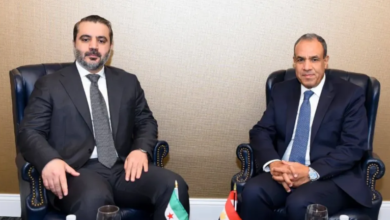
Regionally, al-Zindani is expected to work on strengthening coordination with the countries of the Coalition to Restore Legitimacy, particularly Saudi Arabia and the United Arab Emirates, to ensure continued political and economic support. Internationally, the current phase requires a more active Yemeni diplomacy at the United Nations and the Security Council to highlight the humanitarian suffering of Yemenis and ensure that the Yemeni issue is not marginalized amidst the world's preoccupation with other conflicts.
In short, the swearing-in ceremony is just the beginning of a difficult phase that requires concerted governmental efforts, as al-Zindani is seen as a consensus figure who can be relied upon to restore Yemen’s foreign relations and open new horizons that will contribute to alleviating the impact of the successive crises plaguing the country.