
مقدمة: تكليف تاريخي في يوم الحج الأكبر
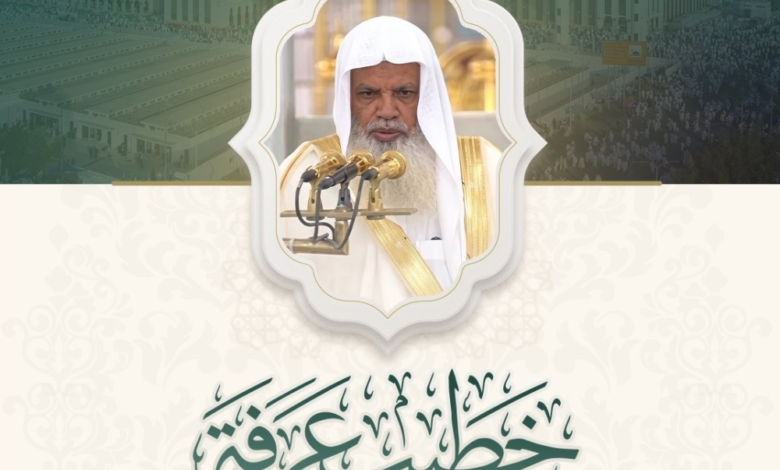
تتجه أنظار ملايين المسلمين حول العالم في التاسع من ذي الحجة نحو صعيد عرفات الطاهر، حيث يعتلي فضيلة الشيخ الدكتور علي بن عبد الرحمن الحذيفي منبر مسجد نمرة في موسم الحج لعام 1447هـ. جاء هذا التكليف الكريم بإلقاء خطبة يوم عرفة ليتوج مسيرة حافلة بالعطاء العلمي والدعوي، وليعكس حرص القيادة الرشيدة في المملكة العربية السعودية على اختيار قامات علمية بارزة لإيصال رسالة الإسلام السمحة. وتكتسب خطبة عرفة أهمية بالغة على المستويين الإقليمي والدولي، حيث تُترجم إلى لغات متعددة وتُبث عبر مختلف وسائل الإعلام، لتصل إلى شتى بقاع الأرض حاملة معاني التوحيد، والسلام، والوسطية.
النشأة والبدايات: بيئة قرآنية أصيلة
وُلد الشيخ علي الحذيفي عام 1366هـ في قرية القرن المستقيم التابعة لمحافظة بلجرشي جنوب منطقة مكة المكرمة. نشأ فضيلته في كنف أسرة متدينة وعريقة في العلم؛ حيث كان لوالده دور بارز ومؤثر في غرس حب القرآن الكريم والعلوم الشرعية في وجدانه منذ نعومة أظفاره. وقد أتم حفظ القرآن الكريم في سن مبكرة، مما مهد له الطريق للانطلاق في رحلة طلب العلم بشغف وتفانٍ، وفقاً لما وثقته رئاسة الشؤون الدينية بالمسجد الحرام والمسجد النبوي.
المسيرة العلمية: جمع بين الأصالة والمعاصرة
لم يكتفِ الشيخ الحذيفي بحفظ القرآن، بل سلك طريق التعليم النظامي بخطى ثابتة. بدأ دراسته في المدرسة السلفية الأهلية ببلجرشي، ثم التحق بالمعهد العلمي في المحافظة ذاتها. واصل تفوقه الأكاديمي حتى تخرج في كلية الشريعة بجامعة الإمام محمد بن سعود الإسلامية بالرياض. ولتعميق مداركه الفقهية، ارتحل إلى جمهورية مصر العربية حيث نال درجتي الماجستير والدكتوراه من جامعة الأزهر الشريف في تخصص الفقه والسياسة الشرعية. هذا التنوع في المشارب العلمية أسهم في تكوين شخصية أكاديمية فذة، تجمع بين التأصيل الشرعي الدقيق والدراسة المنهجية المعاصرة.
إمامة الحرمين الشريفين: صوت يلامس القلوب
تدرج الشيخ الحذيفي في العديد من المناصب الدينية المرموقة. استهل مسيرته بإمامة مسجد قباء، أول مسجد أُسس على التقوى. وفي عام 1399هـ، صدر القرار بتعيينه إماماً وخطيباً للمسجد النبوي الشريف، ليصبح صوته الخاشع جزءاً لا يتجزأ من ذاكرة زوار مدينة رسول الله صلى الله عليه وسلم. كما حظي بشرف إمامة المصلين في المسجد الحرام بمكة المكرمة لفترة من الزمن، قبل أن يستقر به المقام مجدداً في محراب المسجد النبوي لعقود طويلة، معلماً وموجهاً وإماماً.
الأثر الدعوي والمكانة العالمية
يُعد الشيخ علي الحذيفي واحداً من أشهر قراء القرآن الكريم في العالم الإسلامي. يتميز بتلاوته الرصينة، وصوته الهادئ، وأدائه المتقن لأحكام التجويد والقراءات. إلى جانب الإمامة، برز دوره الأكاديمي من خلال التدريس في الجامعة الإسلامية بالمدينة المنورة، حيث نقل علمه في الفقه والحديث والقراءات لأجيال من طلبة العلم. كما اختير عضواً في اللجنة العلمية لمراجعة مصحف المدينة النبوية بمجمع الملك فهد لطباعة المصحف الشريف، وهو ما يعكس الثقة المطلقة في ضبطه وإتقانه.
خاتمة: رسالة عرفة للعالم
إن اختيار الشيخ علي الحذيفي ليكون خطيباً ليوم عرفة ليس مجرد تكليف شرفي، بل هو امتداد لتأثيره الروحي العميق في نفوس المسلمين. إن وقوفه على منبر مسجد نمرة يمثل لحظة تاريخية تتجسد فيها معاني الوحدة الإسلامية، حيث تشرئب الأعناق وتصغي الآذان لسماع توجيهاته التي تستمد نورها من الكتاب والسنة، لترسخ قيم التسامح والاعتدال التي تتبناها المملكة العربية السعودية في قيادتها للعالم الإسلامي.