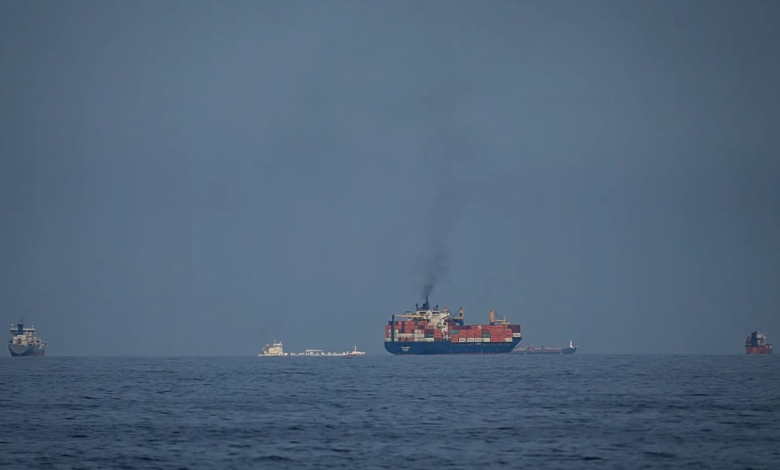

شهد مضيق هرمز الاستراتيجي تطوراً إيجابياً ملحوظاً في حركة الملاحة البحرية، حيث عبرت 4 سفن بضائع تجارية الممر المائي الحيوي منذ بدء سريان اتفاق وقف إطلاق النار. وتأتي هذه الخطوة كأول انفراجة ملموسة للأزمة التي أثرت بشدة على حركة التجارة العالمية، وذلك وفقاً لما نقلته قناة العربية عن تقرير لصحيفة نيويورك تايمز الأمريكية.
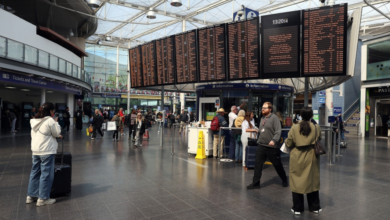
وعلى الرغم من هذا العبور الناجح، إلا أن الأزمة لم تنتهِ بالكامل بعد. فقد أشارت شبكة CNN الإخبارية إلى وجود تكدس هائل في المنطقة، حيث لا تزال 426 ناقلة نفط و53 ناقلة غاز طبيعي عالقة وتنتظر السماح لها بالعبور الآمن، مما يعكس حجم التحديات اللوجستية والأمنية التي لا تزال تواجه قطاع الشحن البحري في هذه المنطقة الحساسة.
مسارات بحرية بديلة لتأمين حركة السفن
في سياق متصل، أعلنت القوات البحرية التابعة للحرس الثوري الإيراني عن إجراءات أمنية جديدة لضمان سلامة الملاحة. وأوضحت أنه يتوجب على جميع السفن التجارية وناقلات النفط التي تعبر مضيق هرمز استخدام طريقين بديلين يقعان بالقرب من الساحل الإيراني. ويأتي هذا الإجراء الاحترازي وسط مخاوف من احتمالية وجود ألغام بحرية مزروعة على المسار الملاحي المعتاد.
ونقلت وكالة أنباء مهر الإيرانية بياناً عسكرياً رسمياً، أُرفق بخريطة بحرية تفصيلية، يوضح المسارين الجديدين الواقعين في جنوب وشمال جزيرة لارك. وأكد البيان أنه من أجل حماية السفن من أي اصطدامات محتملة بألغام بحرية، وبالتنسيق المباشر مع البحرية التابعة للحرس الثوري، سيتعين على جميع السفن اتخاذ هذه الطرق البديلة للمرور في مضيق هرمز حتى إشعار آخر.
خلفية اتفاق وقف إطلاق النار بين أمريكا وإيران
جاءت هذه التطورات الملاحية كنتيجة مباشرة للاتفاق الذي أُبرم بين الولايات المتحدة الأمريكية وإيران، والذي يقضي بوقف إطلاق النار لمدة أسبوعين. وقد دخل هذا الاتفاق حيز التنفيذ ليل الثلاثاء/الأربعاء، في توقيت حرج للغاية، حيث تم التوصل إليه قبل أقل من ساعة واحدة من انتهاء المهلة الصارمة التي حددها الرئيس الأمريكي دونالد ترامب. وكان ترامب قد هدد بتوجيه ضربات عسكرية قاسية وتدمير أهداف تابعة للجمهورية الإسلامية ما لم تستجب لمطالبه بضرورة التوصل إلى اتفاق يضمن إعادة فتح مضيق هرمز أمام حركة الملاحة الدولية.
الأهمية الاستراتيجية لمضيق هرمز وتأثيره على الاقتصاد العالمي
يُعد مضيق هرمز واحداً من أهم الممرات المائية وأكثرها حيوية على مستوى العالم، حيث يربط بين الخليج العربي وخليج عمان وبحر العرب. وتكمن أهميته الاستراتيجية في كونه الشريان الرئيسي لتدفق إمدادات الطاقة العالمية؛ إذ يمر عبره نحو خُمس استهلاك العالم من النفط الخام، بالإضافة إلى كميات ضخمة من الغاز الطبيعي المسال، متجهة بشكل رئيسي إلى الأسواق الآسيوية الكبرى التي تعتمد بشكل شبه كلي على هذه الإمدادات لتشغيل اقتصاداتها.
وكانت طهران قد أقدمت على إغلاق هذا الطريق الملاحي الرئيسي منذ مطلع شهر مارس، وهو القرار الذي أحدث صدمة عنيفة في الأسواق العالمية. وقد أدى هذا الإغلاق إلى تعطيل سلاسل الإمداد وارتفاع أسعار الطاقة العالمية بشكل حاد وسريع، مما أثار مخاوف جدية بشأن استقرار الاقتصاد العالمي ومعدلات التضخم. ومع بدء سريان وقف إطلاق النار وعبور أولى السفن، تأمل الأسواق الدولية في عودة الاستقرار التدريجي لحركة التجارة وتراجع أسعار النفط والغاز إلى مستوياتها الطبيعية، رغم استمرار التحديات المتمثلة في مئات الناقلات التي لا تزال تنتظر دورها في العبور.