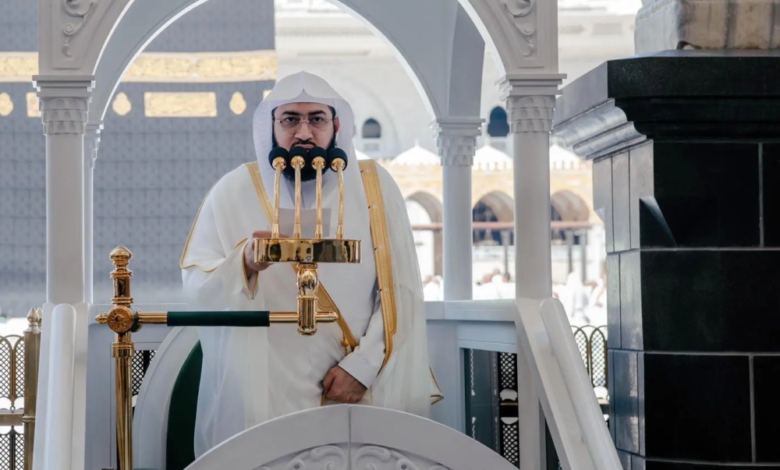

في خطبة جامعة من رحاب المسجد الحرام بمكة المكرمة، وبعد أن أتم حجاج بيت الله الحرام مناسكهم، أكد فضيلة إمام وخطيب المسجد الحرام، الشيخ الدكتور بندر بن عبدالعزيز بليلة، على أن جوهر العبادة يكمن في استمراريتها وأثرها في حياة المسلم، مشيراً إلى أن علامة قبول الحج، أو ما يُعرف بـ “الحج المبرور”، تظهر في تقوى القلب ورقي السلوك بعد انتهاء الشعائر.
السياق العام: الحج رحلة إيمانية متكاملة
يأتي هذا التوجيه في وقت حيوي، حيث يغادر ملايين الحجاج الأراضي المقدسة عائدين إلى أوطانهم بعد رحلة إيمانية عميقة. ويُعد الحج الركن الخامس من أركان الإسلام، وهو فريضة على كل مسلم قادر، ويجتمع فيه المسلمون من كل فج عميق، متجردين من زينة الدنيا، في مشهد مهيب يرمز إلى الوحدة والمساواة. إن هذه الرحلة ليست مجرد طقوس تُؤدى، بل هي مدرسة تربوية تهدف إلى تزكية النفس وتطهيرها من الذنوب، كما ورد في الحديث الشريف: “من حج فلم يرفث ولم يفسق رجع كيوم ولدته أمه”.
أثر الحج في حياة المسلم
أوضح الشيخ بليلة أن العبادة هي رحلة عمر لا تنقضي، وسير قلب لا يتوقف حتى يبلغ الكتاب أجله، مستشهداً بقوله تعالى: «واعبد ربك حتى يأتيك اليقين». ودعا الحجاج إلى شكر الله على نعمة التوفيق لأداء هذه الفريضة العظيمة، فالله قد اصطفاهم وفضلهم على كثير ممن خلق، في حين أن الكثيرين كانوا يتوقون شوقاً لهذه الرحلة ولم يُكتب لهم أن تطأ أقدامهم هذه الرحاب الطاهرة.
مدرسة القيم والأخلاق السامية
وشدد فضيلته على أن الحج مدرسة ربانية متكاملة، مليئة بالدروس والعبر والمواقف التي يتعلم فيها المؤمن القيم السامية والأخلاق العالية. وبيّن أن أعظم ما يستفيده المسلم من هذه الشعيرة هو تحقيق التوحيد في أسمى صوره، والذي يتجلى في الاستسلام الكامل لله بالعبودية، والانقياد له بالطاعة، والبراءة من الشرك وأهله. فكل عمل في الحج، من التلبية إلى الطواف والوقوف بعرفة، هو إعلان خالص بالوحدانية لله رب العالمين.
أهمية الاستقامة بعد الحج وتأثيرها
إن دعوة إمام الحرم المكي للاستقامة بعد الحج تحمل أهمية بالغة على المستويين الفردي والجماعي. فعلى المستوى الفردي، هي تذكير للحاج بأن الهدف الأسمى من الحج هو التغيير الإيجابي المستمر، وأن يعود إلى حياته بقلب أتقى وسلوك أرقى، فيكون أكثر التزاماً بالفرائض، وأحسن تعاملاً مع الناس. أما على المستوى الدولي، فإن هذه الرسالة التي تنطلق من قلب العالم الإسلامي، تساهم في ترسيخ صورة الإسلام كدين يدعو إلى السلام والإصلاح الذاتي المستمر، حيث يعود الحجاج كسفراء للقيم النبيلة في مجتمعاتهم، مما يعزز من التكافل والترابط في الأمة الإسلامية جمعاء.
واختتم الشيخ بليلة خطبته بالدعوة إلى الحرص على الاستقامة والثبات على الطاعة بعد الحج، فذلك هو البرهان الحقيقي على قبول العمل، وهو الثمرة المرجوة من هذه الرحلة الإيمانية المباركة.