
Singapore has achieved a remarkable public health milestone, with dengue fever cases falling to their lowest level in seven years, reflecting the success of national strategies to combat this endemic tropical disease. According to official statistics for 2025, there has been a sharp decline in both cases and deaths compared to previous years.
Record numbers and statistics for 2025
3,990 cases of dengue fever were reported 70% compared to 2024, which saw 13,651 cases. The number of deaths from the disease was also limited to just four, a positive indicator reflecting the efficiency of the healthcare system and the speed with which cases were handled.
This is the lowest number since 2018, when 3,282 cases were recorded, indicating that the country is recovering from the outbreaks it has experienced in the past few years.
Project Wolpancia: Singapore's biological weapon
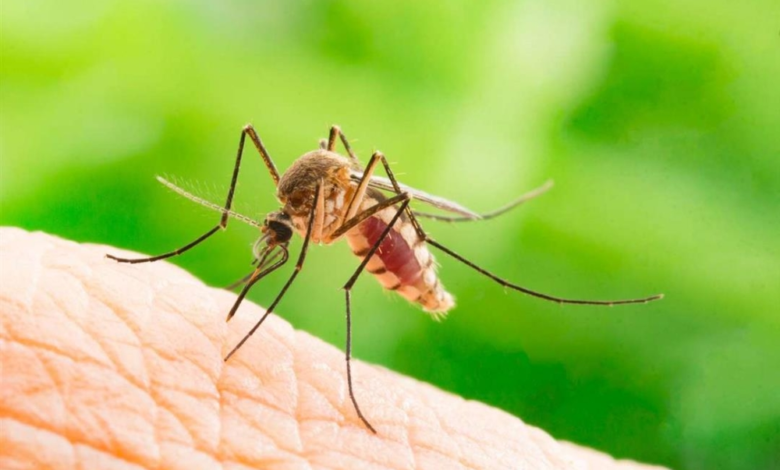
The National Environment Agency attributed this significant success in part to the expansion of the Wolbachia Project. This innovative technique involves releasing male Aedes aegypti mosquitoes that have been bred in a laboratory and injected with Wolbachia bacteria. When these males mate with wild females, they produce eggs that do not hatch, leading over time to a dramatic reduction in disease-carrying mosquito populations without the use of harmful chemical pesticides.
Environmental context and historical challenges
Singapore's hot, humid tropical climate provides an ideal breeding ground for mosquitoes, making dengue fever a chronic health challenge for the country for decades. Historically, the island has experienced cycles of outbreaks, most notably in 2020 when cases surpassed 35,000. Therefore, reaching fewer than 4,000 cases by 2025 would represent a significant turning point in controlling the epidemic.
The regional and global significance of this achievement
This decline is particularly significant given the World Health Organization's global warnings about the spread of dengue fever due to climate change and rising global temperatures. While many countries in Latin America and Southeast Asia are experiencing record-high infection rates, Singapore offers a model for integrating biotechnology with community awareness to control vector-borne diseases. This model demonstrates that investing in sustainable scientific solutions like Wolpancia's technology can yield effective, long-term results in protecting public health.