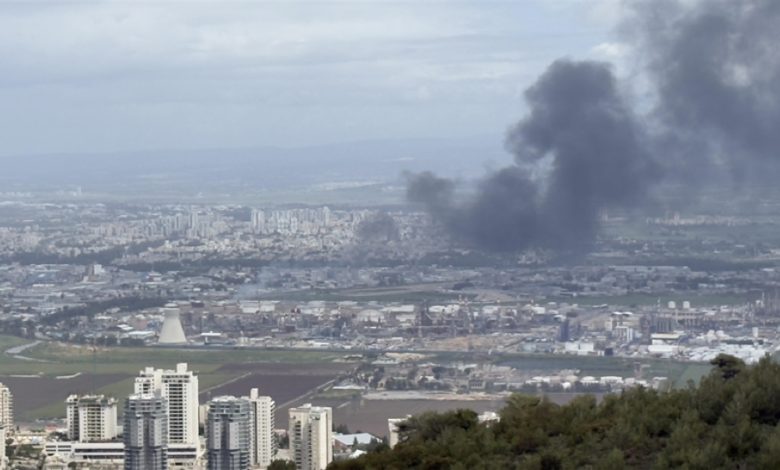

دوت صفارات الإنذار في عدة مدن وبلدات في المنطقة الساحلية الشمالية لإسرائيل، امتداداً من الحدود اللبنانية وصولاً إلى ضواحي مدينة حيفا، وذلك في أعقاب إطلاق رشقة صاروخية كبيرة من جنوب لبنان. يمثل هذا التطور تصعيداً خطيراً في المواجهات المشتعلة على الحدود منذ أشهر.
وأفاد بيان صادر عن الجيش الإسرائيلي أنه تم رصد إطلاق عدة مقذوفات من الأراضي اللبنانية. وأضاف البيان: “اعترضت الدفاعات الجوية بنجاح أحد المقذوفات، بينما سقطت البقية في مناطق مفتوحة، ولم ترد أنباء عن وقوع إصابات أو أضرار مادية”. ويُعد هذا الهجوم هو الأول الذي تصل فيه صفارات الإنذار إلى هذا العمق منذ بدء التوترات الأخيرة، مما أثار حالة من الهلع بين السكان.
خلفية الصراع وسياقه التاريخي
يأتي هذا القصف في سياق المواجهات المستمرة على الحدود الإسرائيلية اللبنانية التي اندلعت في أعقاب عملية “طوفان الأقصى” في السابع من أكتوبر 2023. ومنذ ذلك الحين، أعلن حزب الله عن فتح “جبهة إسناد” لقطاع غزة، مما أدى إلى تبادل شبه يومي لإطلاق النار. شملت هذه المواجهات إطلاق صواريخ وقذائف مضادة للدبابات وطائرات مسيرة من جانب حزب الله، وقصف جوي ومدفعي إسرائيلي مكثف على بلدات جنوب لبنان. وقد أدت هذه الأعمال العدائية إلى نزوح عشرات الآلاف من السكان على جانبي الحدود، وتحويل المنطقة إلى ساحة حرب مفتوحة، في خرق مستمر لقرار مجلس الأمن الدولي رقم 1701 الذي أنهى حرب عام 2006.
أهمية الحدث وتأثيره المتوقع
تكمن أهمية هذا الهجوم في وصوله إلى عمق الأراضي الإسرائيلية، حيث لم يعد القصف مقتصراً على المستوطنات الحدودية، بل امتد ليشمل ضواحي مدينة حيفا، وهي مركز اقتصادي وسكاني رئيسي. على الصعيد المحلي، يثير هذا التطور قلقاً بالغاً لدى السكان ويزيد من الضغط على الحكومة الإسرائيلية لاتخاذ إجراءات أكثر حسماً. أما إقليمياً، فيُنذر هذا التصعيد بخطر الانزلاق نحو حرب شاملة بين إسرائيل وحزب الله، وهو سيناريو حذرت منه القوى الدولية مراراً لما قد يترتب عليه من تداعيات كارثية على استقرار المنطقة بأكملها. وقد يؤدي توسع رقعة الصراع إلى جر أطراف أخرى مثل إيران، الداعم الرئيسي لحزب الله، إلى المواجهة المباشرة، مما يهدد بتفجير صراع إقليمي واسع النطاق.