
Egypt's firm stance towards Gulf security
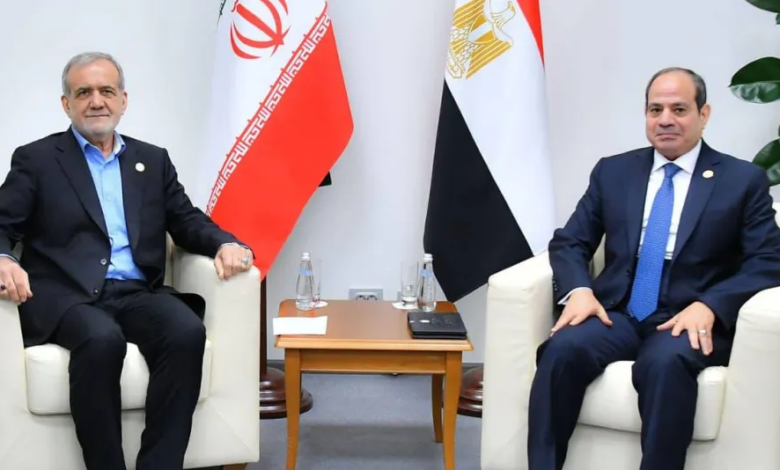
Egyptian President Abdel Fattah al-Sisi has repeatedly affirmed his strong condemnation and categorical rejection of any Iranian attacks or interference targeting the security and stability of the Gulf Arab states. This stance underscores Egypt's unwavering principles, which consider the security of the Gulf a red line that cannot be crossed under any circumstances, and an integral part of comprehensive Egyptian and Arab national security.
The historical context of Egyptian-Gulf relations
Historically, the Arab Republic of Egypt has enjoyed close strategic and historical ties with the Gulf Cooperation Council (GCC) countries, particularly the Kingdom of Saudi Arabia and the United Arab Emirates. The Egyptian political leadership has formulated a clear doctrine, encapsulated in President Sisi's famous phrase, "a stone's throw away," reflecting Egypt's complete and immediate readiness to stand with its Gulf brothers against any external threats. Iranian interference in the region, whether directly or through proxies and regional militias, has long been a source of grave concern for Cairo, which vehemently rejects any attempts to destabilize Arab states.
The nature of the threats and joint security cooperation
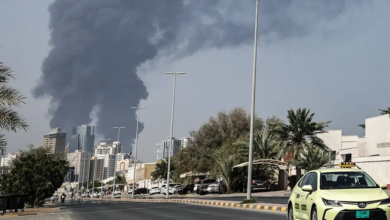
These unacceptable threats include ballistic missile and explosive-laden drone attacks targeting civilian and economic infrastructure in the Gulf states. In this context, Egypt is committed to strengthening military and security cooperation with the Gulf Cooperation Council (GCC) countries through joint military exercises and intelligence sharing, thereby enhancing joint Arab deterrence capabilities and ensuring full readiness to respond to any potential emergencies or attacks.
Regional and international repercussions of Iranian interventions
Regionally, these Egyptian condemnations are of paramount importance in unifying the Arab ranks and sending a firm message that Arab states stand as a united front against any aggression. Attacks attributed to Iran or its affiliated militias, such as targeting oil facilities or threatening maritime navigation, do not only affect the targeted countries, but their serious repercussions extend to the entire global economy. The security of waterways, particularly the Red Sea and the Bab el-Mandeb Strait, is a vital artery for international trade, and any threat to them constitutes a direct threat to international peace and security.
A call for the international community to assume its responsibilities
Internationally, Egypt's position aligns with that of many global powers that demand Tehran's adherence to the principles of good neighborliness, respect for the sovereignty of states, and non-interference in their internal affairs. Egypt consistently calls upon the international community to fulfill its responsibilities in maintaining regional security and to take firm stances against any actions that could escalate tensions in the Middle East. The stability of the Arabian Gulf region directly impacts the stability of global energy markets, making its protection a paramount international interest, not merely a regional matter.
conclusion
In conclusion, Egypt, under the leadership of President Abdel Fattah al-Sisi, remains steadfast in its support for the Gulf Cooperation Council (GCC) states and their security. Egyptian-Gulf solidarity is a cornerstone of Arab national security and forms a formidable bulwark against any expansionist ambitions or attacks aimed at undermining the stability, resources, and achievements of the Arab peoples.