
Introduction: President Sisi's strategic tour of the Gulf
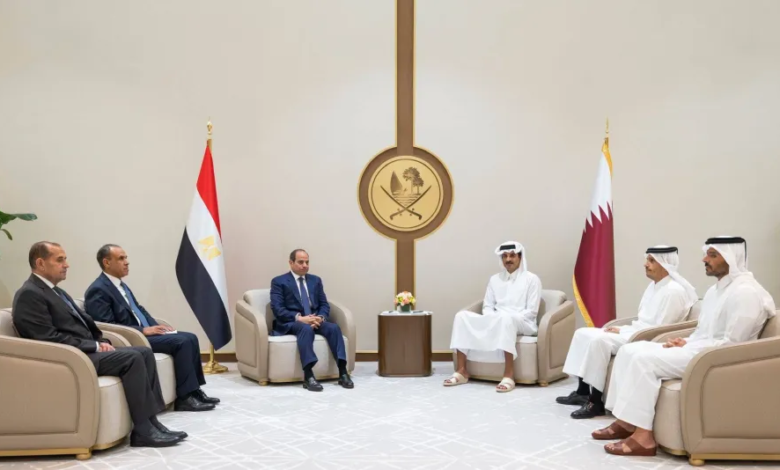
Egyptian President Abdel Fattah al-Sisi's tour of Qatar and the United Arab Emirates comes at a crucial time, reflecting the depth of the strategic and historical ties that bind Egypt to its sister nations in the Gulf Cooperation Council. This intensive diplomatic tour aims to reaffirm Arab solidarity and a united front against escalating regional challenges, foremost among them the condemnation of Iranian aggression and its continued interference in the internal affairs of Arab states.
The general context and historical background of Egyptian-Gulf relations
Egyptian-Gulf relations are based on solid foundations of shared cooperation and a common destiny. The Egyptian political leadership, headed by President El-Sisi, has consistently affirmed that the security of the Gulf is an integral part of Egypt's national security. In this context, the visit to the UAE represents a continuation of the close strategic alliance between Cairo and Abu Dhabi, which has proven its resilience in the face of various crises. On the other hand, the visit to Qatar crowns the Arab reconciliation process that gained momentum following the Al-Ula Declaration, reflecting a genuine desire to turn the page on the past and build a new strategic partnership based on mutual respect and shared interests.
Condemning Iranian aggression and unifying the Arab ranks
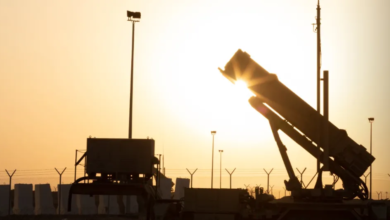
Regional security, specifically countering Iran's destabilizing policies in the Middle East, tops the agenda of this round of talks. Countries in the region, particularly the Gulf states, have suffered the consequences of Iranian interference, whether direct or through its proxies, such as attacks targeting civilian and economic infrastructure. President Sisi's visit underscores Egypt's firm rejection of these attacks and sends a resolute message that any threat to Gulf security is a red line. Egyptian-Gulf coordination on this issue aims to forge a unified Arab stance capable of deterring any external threats.
The importance of the event and its expected impact on various levels
This presidential tour has far-reaching dimensions and effects that extend beyond the bilateral framework to include regional and international levels:
- On the local and bilateral level: The visit contributes to strengthening economic and investment cooperation between Egypt and both the UAE and Qatar, and opens new horizons for partnership in the fields of energy, infrastructure, and technology, which will positively impact sustainable development plans in the three countries.
- On a regional level: These diplomatic moves are reshaping the balance of power in the Middle East by forming a cohesive Arab front capable of filling the strategic vacuum and countering any attempts at regional hegemony, thus enhancing the chances of achieving peace and stability in conflict zones.
- On the international level, this high-level coordination sends reassuring messages to the international community regarding the security of global energy supplies and the protection of maritime shipping lanes in the Red Sea and the Arabian Gulf, which are vital waterways for the global economy. It also underscores for major powers the importance of partnership with influential Arab states in maintaining international peace and security.
Conclusion: Towards a more stable Arab future
In conclusion, President Sisi's tour of Qatar and the UAE represents a pivotal moment in the course of joint Arab action. Solidarity in confronting security challenges, foremost among them Iranian aggression, is not merely a fleeting political stance, but a strategic imperative dictated by the realities of the regional and international landscape. By strengthening these alliances, Arab states are taking confident steps toward securing the future of their peoples and ensuring the stability and prosperity of the entire Middle East region.