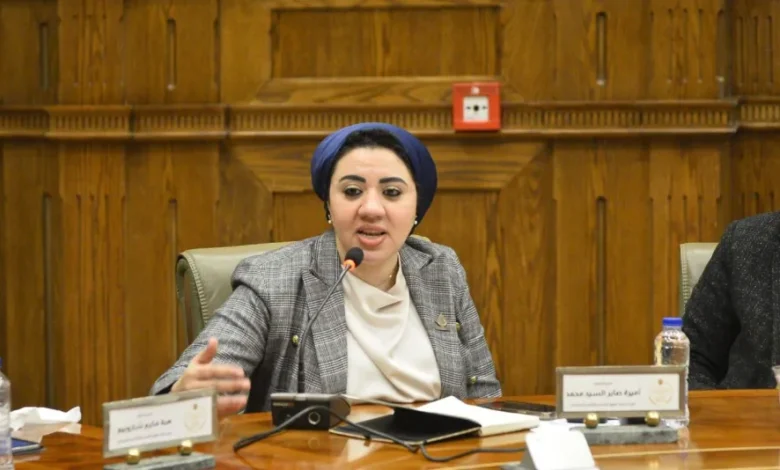

شهدت الأوساط المصرية خلال الساعات الماضية حالة من الجدل الواسع والنقاش المحتدم، وذلك عقب الإعلان عن مقترح برلماني جديد يدعو إلى تقنين وتنظيم عملية "التبرع بالجلد" في مصر. وقد أثار هذا المقترح تبايناً كبيراً في الآراء بين مؤيد يرى فيه ضرورة طبية ملحة لإنقاذ حياة الآلاف، ومعارض يخشى من انتهاك حرمة الجسد أو فتح باب للتجارة بالأعضاء البشرية.
خلفية المقترح والضرورة الطبية
يأتي هذا التحرك البرلماني في وقت تعاني فيه المستشفيات المصرية، وتحديداً مراكز الحروق، من نقص حاد في الإمكانيات اللازمة لعلاج الحالات الحرجة. وتشير التقارير الطبية إلى أن مصر تسجل سنوياً آلاف حالات الإصابة بالحروق الخطيرة، حيث يواجه الأطباء تحديات هائلة في توفير "الرقع الجلدية" اللازمة لتغطية الجروح العميقة، والتي تعد خط الدفاع الأول لمنع العدوى البكتيرية المميتة وفقدان السوائل من الجسم.
ويهدف المقترح بشكل أساسي إلى إنشاء "بنوك للجلد" على غرار بنوك الدم والقرنية، يتم فيها حفظ الجلد المتبرع به (سواء من عمليات شد الترهلات للأحياء أو من المتوفين حديثاً وفق ضوابط صارمة) لاستخدامه في إنقاذ ضحايا الحروق، وهو نظام معمول به في العديد من الدول المتقدمة طبياً وأثبت فاعليته في خفض معدلات الوفيات الناجمة عن الحروق.
الجدل الديني والمجتمعي
على الرغم من الأهمية الطبية، اصطدم المقترح بمخاوف مجتمعية تتعلق بقدسية الجسد بعد الوفاة. وهنا يبرز دور المؤسسات الدينية الكبرى في مصر، مثل الأزهر الشريف ودار الإفتاء، التي سبق وأن أصدرت فتاوى توضح الضوابط الشرعية لنقل الأعضاء والأنسجة. حيث يميل الرأي الفقهي المستنير إلى جواز التبرع إذا كان بغرض إنقاذ حياة إنسان آخر، وبشرط عدم وجود بيع أو شراء، ووجود وصية أو موافقة من الورثة، وذلك إعمالاً لمبدأ "إحياء النفس".
الأبعاد القانونية والتنظيمية
يركز الجانب التشريعي في هذا السياق على ضرورة تعديل القوانين الحالية لتشمل الأنسجة الجلدية بوضوح، مع وضع عقوبات رادعة لمنع أي تلاعب أو ممارسات غير أخلاقية. ويسعى النواب مقدمو المقترح إلى طمأنة الرأي العام بأن العملية ستخضع لرقابة حكومية صارمة لضمان وصول التبرعات لمستحقيها من ضحايا الحوادث والحرائق، مؤكدين أن الهدف هو إنساني بحت يهدف لتقليل معاناة المرضى الذين لا يجدون علاجاً لآلامهم المبرحة.
ختاماً، يظل ملف التبرع بالأعضاء والأنسجة في مصر ملفاً شائكاً يحتاج إلى تكاتف الجهود الإعلامية والطبية والدينية لتوعية المجتمع بأهمية هذه الخطوة في إنقاذ الأرواح، مع ضمانات قانونية تحمي حقوق الجميع.