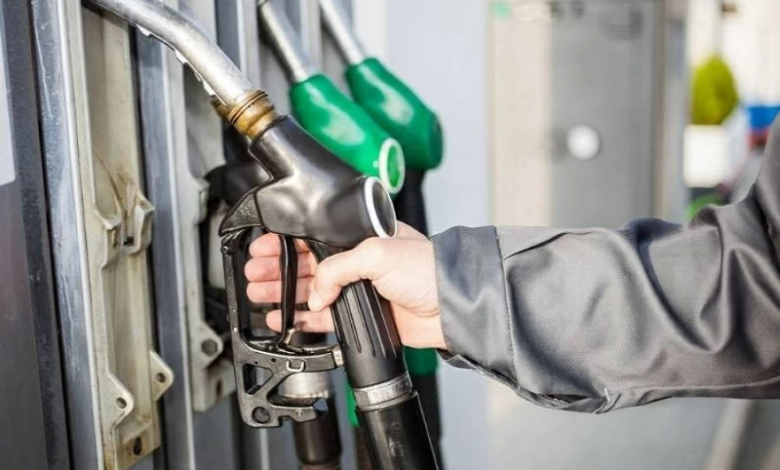
Slovenia's fuel shortage crisis: New restrictions and military intervention

Temporary restrictions imposed on fuel purchases in Slovenia
The Slovenian government has announced strict, temporary restrictions on fuel purchases at retail stations as an urgent measure to address a fuel shortage affecting numerous service stations across the country. These measures come amid a significant increase in demand, largely attributed to vehicles crossing borders to refuel, as well as some citizens stockpiling fuel due to concerns related to global geopolitical tensions and the sharp fluctuations in international energy markets. These developments coincide with a sensitive period as the country prepares for local elections, making it even more crucial to maintain market stability and ensure the availability of essential goods.
Details of restrictions imposed on consumers
Under the new government regulations, fuel rationing at private service stations has been capped to ensure equitable distribution. Private vehicles are limited to a maximum of 50 liters per day, while legal entities and businesses, including farmers who rely heavily on fuel for their daily operations, are limited to 200 liters. Slovenian Prime Minister Robert Golube stated that these exceptional restrictions will remain in effect until further notice, pending the stabilization of supply chains and a decrease in unjustified purchases.
General context and historical background of the crisis
Slovenia’s fuel shortage was not a sudden occurrence, but rather a direct reflection of the global energy crisis that has engulfed the entire European continent. Recently, disruptions to supply chains and ongoing international tensions have led to sharp fluctuations in oil and gas prices. In Slovenia, price discrepancies with neighboring countries have exacerbated the phenomenon of “fuel tourism,” where foreign drivers cross borders to take advantage of lower prices, placing immense pressure on domestic reserves and depleting them at an unprecedented rate.
Supply transfer and Slovenian army intervention
For his part, Prime Minister Robert Golbub sought to reassure citizens, stating, "I want to assure you that there is enough fuel in Slovenia. The depots are full, and there will be no strategic fuel shortage." Golbub explained that the real challenge lies not in the availability of fuel, but in the logistics of transporting it from depots to stations quickly enough to meet the increased demand. To address this logistical challenge, the government announced the deployment of the Slovenian Armed Forces, whose specialized military tankers will assist retailers in expediting the delivery of supplies and ensuring their arrival at affected stations.
Expected impact and future government actions
Domestically, Petrol, Slovenia’s largest oil distributor, has been under immense operational pressure and experiencing severe shortages at its stations, leading to long queues of vehicles that have worried consumers over the past few days. Regionally, this incident highlights the fragility of Europe’s interconnected supply chains. In a proactive move to ensure control of the situation, the Slovenian government has mandated that all retailers submit detailed daily reports on their supply levels, enabling authorities to implement further measures if necessary. Golub also revealed that the government has recommended that retailers implement special measures for foreign drivers, prioritizing the needs of the domestic market.