
تفاصيل حادث تحطم طائرة في المكسيك
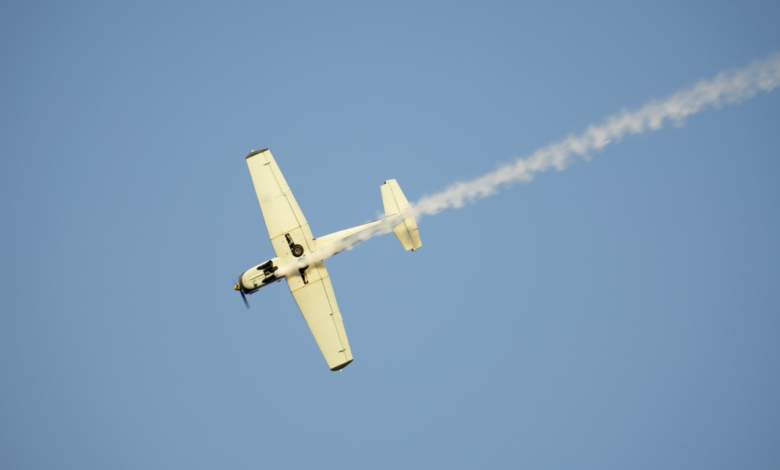
شهدت ولاية بويبلا الواقعة في وسط المكسيك حادثاً مأساوياً إثر تحطم طائرة صغيرة، مما أسفر عن مصرع ثلاثة أشخاص وإصابة شخص رابع بجروح بالغة الخطورة. ووفقاً للتقارير الرسمية الصادرة عن وكالة الحماية المدنية في الولاية، وقع الحادث بعد دقائق معدودة من إقلاع الطائرة من مطار “هيرمانوس سيردان” الدولي. وقد استنفرت السلطات المحلية فرق الإنقاذ والإسعاف فور تلقي البلاغ للتعامل مع تداعيات الحادث المروع ونقل المصاب لتلقي الرعاية الطبية العاجلة.
جهود الإنقاذ والإسعاف في موقع التحطم
أوضحت السلطات المكسيكية أن الطائرة سقطت في منطقة قريبة من المطار، مما أدى إلى وفاة ثلاثة من ركابها في موقع الحادث متأثرين بإصاباتهم المباشرة جراء الاصطدام القوي. في المقابل، تمكنت فرق الإسعاف من انتشال ناجٍ وحيد، تم نقله على وجه السرعة إلى أحد المستشفيات القريبة لتلقي العلاج المكثف نظراً لخطورة حالته. وتعمل الجهات المختصة حالياً على تأمين موقع التحطم لمنع أي مخاطر إضافية تتعلق بتسرب الوقود أو اندلاع حرائق، في حين تم فرض طوق أمني لتسهيل عمل فرق التحقيق.
السياق الجغرافي وتحديات الطيران في بويبلا
يُعد مطار “هيرمانوس سيردان” الدولي في بويبلا واحداً من المطارات الحيوية في وسط المكسيك، حيث يخدم الرحلات التجارية الإقليمية ورحلات الطيران العام والشحن الجوي، كما يُستخدم أحياناً كمطار بديل لمطار العاصمة مكسيكو سيتي. وتتميز ولاية بويبلا بتضاريسها المرتفعة، حيث تقع على ارتفاع يزيد عن 2000 متر فوق سطح البحر. ومن المعروف في مجال الطيران أن الارتفاعات العالية تؤثر على كثافة الهواء، مما يتطلب حسابات دقيقة لأداء الطائرات، خاصة الصغيرة منها، أثناء عمليات الإقلاع والهبوط. ورغم أن الطيران العام في المكسيك يخضع لمعايير سلامة صارمة، إلا أن الحوادث المماثلة تحدث بين الحين والآخر نتيجة عوامل متعددة قد تشمل الأعطال الفنية، أو التغيرات المناخية المفاجئة، أو الأخطاء البشرية.
التحقيقات وتأثير الحادث على سلامة الطيران
يحمل هذا الحادث تأثيراً محلياً وإقليمياً، حيث يسلط الضوء مجدداً على أهمية مراجعة إجراءات السلامة والصيانة الدورية للطائرات الخفيفة. ومن المتوقع أن تتولى الوكالة الفيدرالية للطيران المدني في المكسيك مسؤولية التحقيق الشامل في الحادثة. ستشمل التحقيقات مراجعة سجلات صيانة الطائرة، والتحقق من التراخيص، بالإضافة إلى تحليل الظروف الجوية التي رافقت وقت الإقلاع، والاستماع إلى تسجيلات الاتصالات بين الطيار وبرج المراقبة. تهدف هذه الإجراءات إلى تحديد السبب الجذري لسقوط الطائرة ومنع تكرار مثل هذه الحوادث المأساوية في المستقبل، مما يضمن تعزيز ثقة المسافرين في قطاع الطيران المحلي والدولي.