
نقلة نوعية في خدمات ضيوف الرحمن
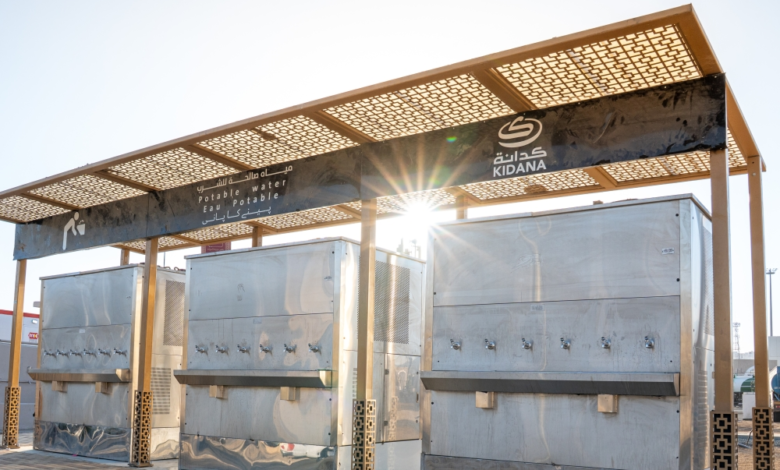
تتجسد مفاهيم “الأنسنة” والرعاية الفائقة في المشاعر المقدسة عبر مشروع تطوير منظومة الشرب، الذي أحدث فارقاً ملموساً في رحلة ضيوف الرحمن. من خلال توفير أكثر من 2,400 مشرب مياه، تم توزيعها بأسلوب هندسي مبتكر على امتداد طرق المشاة، تضمن المملكة العربية السعودية وصول المياه المبردة والنظيفة للحجاج على مدار الساعة، مما يعكس أقصى درجات العناية والاهتمام براحة قاصدي بيت الله الحرام.
السياق التاريخي: من السقاية التقليدية إلى المنظومات الذكية
تاريخياً، تُعد “السقاية” (توفير مياه الشرب للحجاج) من أعظم المهن وأشرفها منذ عهد ما قبل الإسلام، حيث كانت قريش تتولى سقاية الحجاج من بئر زمزم. ومع تطور الزمن وتأسيس المملكة العربية السعودية، أولت القيادة الرشيدة اهتماماً بالغاً بتطوير منظومة المياه في مكة المكرمة والمشاعر المقدسة، بدءاً من ترميم عين زبيدة، وصولاً إلى إنشاء أضخم محطات التحلية في العالم. واليوم، يأتي هذا المشروع الذكي كامتداد طبيعي لهذا الإرث التاريخي العظيم، متوجاً باستخدام أحدث التقنيات لضمان استدامة تدفق المياه لملايين الحجاج في مساحة جغرافية محدودة ووقت زمني قصير.
تفاصيل المشروع والتنفيذ الاستراتيجي
ساهم المشروع، الذي نفذته شركة “كدانة” للتنمية والتطوير (الذراع التنفيذي للهيئة الملكية لمدينة مكة المكرمة والمشاعر المقدسة)، في تحويل نقاط توزيع المياه التقليدية إلى محطات ترطيب متكاملة. وقد اعتُمدت في هذا المشروع أعلى معايير الجودة لضمان الأمان الصحي، مع مراعاة التوزيع الاستراتيجي الذي يدعم انسيابية الحركة ويقضي على التزاحم في مناطق الكثافة البشرية العالية، خاصة في مشعري منى وعرفات.
الحد من الإجهاد الحراري وإدارة الحشود
تجاوز أثر المنظومة الميداني مجرد توفير المياه؛ إذ لعب المشروع دوراً محورياً في الحد من الإجهاد الحراري وضربات الشمس، خاصة مع تزامن مواسم الحج في السنوات الأخيرة مع أشهر الصيف شديدة الحرارة. إن تلطيف رحلة التنقل بين المشاعر المقدسة أوجد بيئة أكثر أماناً وطمأنينة للحجاج. كما أن التوزيع الهندسي الذكي للمشارب ساعد بشكل مباشر في إدارة الحشود، حيث منع التكدس حول نقاط المياه العشوائية، مما قلل من مخاطر التدافع وحافظ على سلامة ضيوف الرحمن.
الأهمية والتأثير: أبعاد محلية وإقليمية ودولية
على الصعيد المحلي، يتماشى هذا المشروع بشكل وثيق مع أهداف “برنامج ضيوف الرحمن”، أحد أهم برامج رؤية السعودية 2030، والذي يهدف إلى إثراء تجربة الحاج والمعتمر والارتقاء بجودة الخدمات المقدمة لهم. أما على الصعيدين الإقليمي والدولي، فإن نجاح المملكة في إدارة وتوفير المياه لملايين البشر في أيام معدودة يعزز من مكانتها العالمية كنموذج رائد في إدارة الحشود والبنية التحتية المستدامة، ويبعث رسالة طمأنينة للعالم الإسلامي أجمع بمدى جاهزية المشاعر المقدسة لاستقبال الحجاج في بيئة صحية وآمنة.
الاستدامة والتقنية في خدمة الحرمين
عكس المشروع التزام شركة “كدانة” باستدامة البنية الخدمية ورفع كفاءتها، من خلال حلول تقنية تضمن استمرارية التدفق والجودة العالية. إن دمج التقنية في إدارة الموارد المائية داخل المشاعر المقدسة لا يثري تجربة الحاج فحسب، بل يجسد أعلى مستويات العناية بضيوف الرحمن، ويؤكد أن المملكة مستمرة في تسخير كافة إمكاناتها المادية والبشرية لخدمة الإسلام والمسلمين.