
مقدمة عن تطوير منظومة إرشاد ضيوف الرحمن
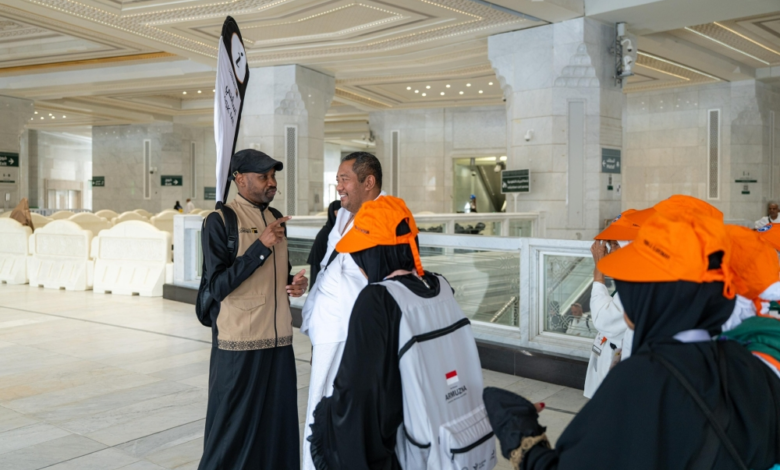
في خطوة استراتيجية تهدف إلى الارتقاء بجودة الخدمات المقدمة لقاصدي بيت الله الحرام، أعلنت الهيئة العامة للعناية بشؤون المسجد الحرام والمسجد النبوي عن تطوير منظومة الإرشاد المكاني والزماني داخل المسجد الحرام وساحاته. تعتمد هذه المنظومة على دمج التقنيات الذكية مع الكوادر البشرية المؤهلة، من خلال تفعيل الفرق الراجلة وتوظيف أحدث الابتكارات التكنولوجية لضمان راحة وطمأنينة الزوار والمعتمرين وتسهيل أداء مناسكهم بكل يسر وسهولة.
السياق التاريخي لخدمة قاصدي الحرمين الشريفين
تاريخياً، شكلت خدمة حجاج ومعتمري بيت الله الحرام أولوية قصوى للمملكة العربية السعودية منذ تأسيسها. فقد تطورت آليات إرشاد ضيوف الرحمن عبر العقود، بدءاً من الجهود الفردية واللوحات الإرشادية البسيطة، وصولاً إلى تأسيس إدارات متخصصة تعنى بتوجيه الحشود. واليوم، ومع التطور التكنولوجي المتسارع، تنتقل المملكة إلى حقبة جديدة تعتمد على الأنظمة الذكية والبيانات لتقديم خدمات استباقية وفورية، مما يعكس التزاماً راسخاً بتسخير كل الإمكانات لخدمة الإسلام والمسلمين وتوفير بيئة روحانية آمنة.
تفاصيل المبادرة وأهدافها التشغيلية
أوضحت الهيئة أن المبادرة الجديدة تستهدف بشكل رئيسي تقليص نسبة التشتت بين الزوار إلى 8% خلال موسم رمضان لعام 1447هـ. وقد أثبتت المنظومة الإرشادية نجاحها المبدئي بعد أن استفاد منها أكثر من 639,770 مستفيداً، مما أسهم بشكل مباشر في تسهيل الوصول إلى المواقع والخدمات المختلفة داخل المسجد الحرام. وتعتمد الخطة التشغيلية على تعزيز كفاءة النقاط الإرشادية الثابتة والتي يبلغ عددها 15 نقطة استراتيجية، إلى جانب التوسع في نشر الفرق الراجلة التي تضم 40 عنصراً ميدانياً. ولضمان تغطية أوسع، قررت الهيئة زيادة الكادر البشري بإضافة 20 شخصاً إضافياً، مما يتيح مرونة أكبر في توجيه الزوار، خاصة في أوقات الذروة ومناطق الكثافة العالية.
تقنيات الترجمة الفورية وتأثيرها المتوقع
في سياق متصل، تعمل الهيئة على دراسة وتحليل نتائج تفعيل أجهزة الترجمة الفورية التي تم استخدامها تجريبياً خلال موسم رمضان الماضي. يهدف هذا التحليل إلى رصد الإيجابيات وتجاوز التحديات، تمهيداً لاعتماد هذه الأجهزة وتطويرها بشكل أوسع خلال موسم حج 1447هـ. إن توفير هذه التقنيات يضمن تواصلاً فعالاً مع الزوار من مختلف الجنسيات واللغات، ويكسر حاجز اللغة الذي قد يواجه بعض القاصدين.
الأهمية الاستراتيجية والتأثير الإقليمي والدولي
تبرز أهمية هذا الحدث على مستويات عدة؛ فمحلياً، يسهم في رفع كفاءة إدارة الحشود وتقليل الاختناقات، مما يعزز من أمن وسلامة قاصدي الحرم المكي. أما على الصعيدين الإقليمي والدولي، فإن هذه الخطوات تؤكد ريادة المملكة في إدارة التجمعات المليونية، وتقدم نموذجاً عالمياً يحتذى به في توظيف التقنية لخدمة الإنسان. وتأتي هذه الجهود التطويرية المتكاملة لتتوج مساعي الهيئة في تحقيق مستهدفات رؤية المملكة 2030، وتحديداً برنامج خدمة ضيوف الرحمن، الذي يهدف إلى إثراء التجربة الدينية والثقافية للحجاج والمعتمرين، وتيسير استضافة المزيد من المسلمين من كافة أنحاء العالم.