
تحول رقمي لخدمة ضيوف الرحمن
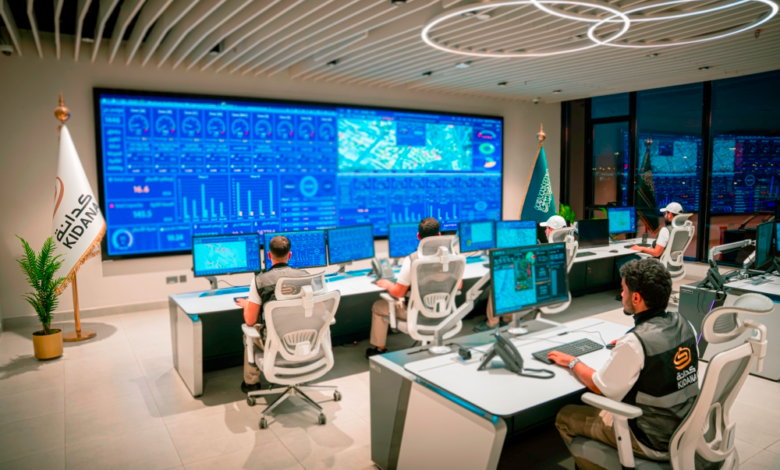
في خطوة تعكس التزام المملكة العربية السعودية بتسخير أحدث التقنيات لخدمة ضيوف الرحمن، أعلنت شركة “كدانة” للتنمية والتطوير، وهي الذراع التنفيذي للهيئة الملكية لمدينة مكة المكرمة والمشاعر المقدسة، عن تفعيل نظام المراقبة والتحكم الإشرافي المتقدم “سكادا” (SCADA). يأتي هذا التفعيل ضمن استعداداتها لموسم الحج، بهدف ضمان أعلى مستويات الكفاءة واستمرارية الخدمات الحيوية المقدمة للحجاج في المشاعر المقدسة، مما يمثل نقلة نوعية في إدارة أحد أكبر التجمعات البشرية في العالم.
السياق التاريخي وأهمية التكنولوجيا في إدارة الحج
تاريخيًا، شكلت إدارة الحشود وتوفير الخدمات لملايين الحجاج تحديًا لوجستيًا هائلاً. وعلى مر العقود، استثمرت المملكة بشكل متواصل في تطوير البنية التحتية وتحديث أساليب الإدارة لضمان سلامة الحجاج وتيسير رحلتهم الإيمانية. ومع انطلاق رؤية السعودية 2030، تسارعت وتيرة التحول الرقمي لتشمل جميع جوانب تنظيم الحج، حيث لم تعد التكنولوجيا مجرد أداة مساعدة، بل أصبحت ركيزة أساسية في التخطيط والتنفيذ والمراقبة. إن استخدام أنظمة مثل “سكادا” هو التطور الطبيعي لهذه الجهود، حيث ينتقل التركيز من رد الفعل تجاه المشكلات إلى استباقها ومنعها قبل حدوثها.
نظام “سكادا”: العقل المدبر للبنية التحتية في المشاعر
يعمل نظام “سكادا” كمركز تحكم موحد يربط بين كافة مكونات البنية التحتية التشغيلية في المشاعر المقدسة. تتيح هذه المنصة المتطورة مراقبة لحظية ودقيقة للمرافق الحيوية، مما يضمن انسيابية العمليات وتقديم الخدمات دون انقطاع. يشمل نطاق تغطية النظام ما يلي:
- الموارد المائية: مراقبة أكثر من 400 خزان مياه احتياطي لضمان توفر المياه بشكل مستمر.
- أنظمة التبريد: التحكم في أكثر من 300 نظام تبريد و500 مروحة رذاذ لتلطيف الأجواء وتخفيف وطأة الحرارة على الحجاج.
- الطاقة الكهربائية: الإشراف على أكثر من 800 لوحة كهربائية لضمان استقرار التيار الكهربائي.
- المرافق الصحية: متابعة حالة نحو 1000 مجمع لدورات المياه لضمان جاهزيتها ونظافتها.
الأثر المتوقع: من الإدارة التفاعلية إلى الصيانة الاستباقية
تكمن أهمية هذه التقنية المتقدمة في قدرتها على اكتشاف الأعطال المحتملة أو أي مؤشرات لانقطاع الخدمة قبل وقوعها. فعبر أجهزة الاستشعار الذكية، يمكن للنظام التنبؤ بالمشكلات، مما يتيح للفرق الميدانية التدخل الفوري والاستباقي لمعالجتها. هذا النهج يقلل بشكل كبير من زمن الاستجابة للحالات الطارئة، ويرفع الجاهزية التشغيلية للمرافق، ويحد من أي هدر في الموارد. على المستوى المحلي، يترجم هذا إلى تجربة حج أكثر أمانًا وراحة للحجاج. أما على المستوى الدولي، فإنه يعزز مكانة المملكة كرائدة في إدارة الحشود والتجمعات الكبرى، ويقدم نموذجًا عالميًا في كيفية استخدام التكنولوجيا لخدمة الأهداف الإنسانية والدينية.
وتنسجم هذه الخطوة مع مستهدفات رؤية السعودية 2030، التي تهدف إلى تقديم خدمات متكاملة تضمن سلامة وراحة الحجاج، وتعكس التزام شركة “كدانة” بتبني حلول تقنية ذكية ومستدامة للارتقاء بجودة الحياة وتسهيل أداء المناسك بأعلى مستويات الطمأنينة واليُسر.