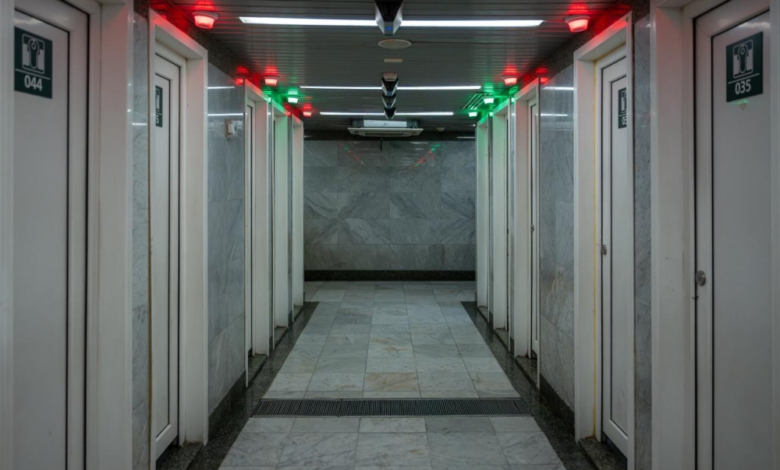
In a pioneering step reflecting the strategic direction towards digital transformation in the management of the Holy Sites, the General Authority for the Care of the Grand Mosque and the Prophet's Mosque has launched the pilot operation of the "Smart Restrooms" project. This project is part of a series of technological initiatives aimed at harnessing modern technology to serve pilgrims and provide a convenient and safe environment for worship.
A technological leap in line with Vision 2030
This project is not merely an upgrade of facilities; it is an integral part of the objectives of "Vision 2030" and the "Serving the Guests of God" program, which aims to accommodate the steady increase in the number of Umrah and Hajj pilgrims, targeting 30 million Umrah pilgrims annually. These millions of pilgrims require a smart infrastructure capable of efficiently handling such large crowds, as the management of the Two Holy Mosques transitions from traditional methods to a data-driven approach utilizing artificial intelligence (AI) and the Internet of Things (IoT).
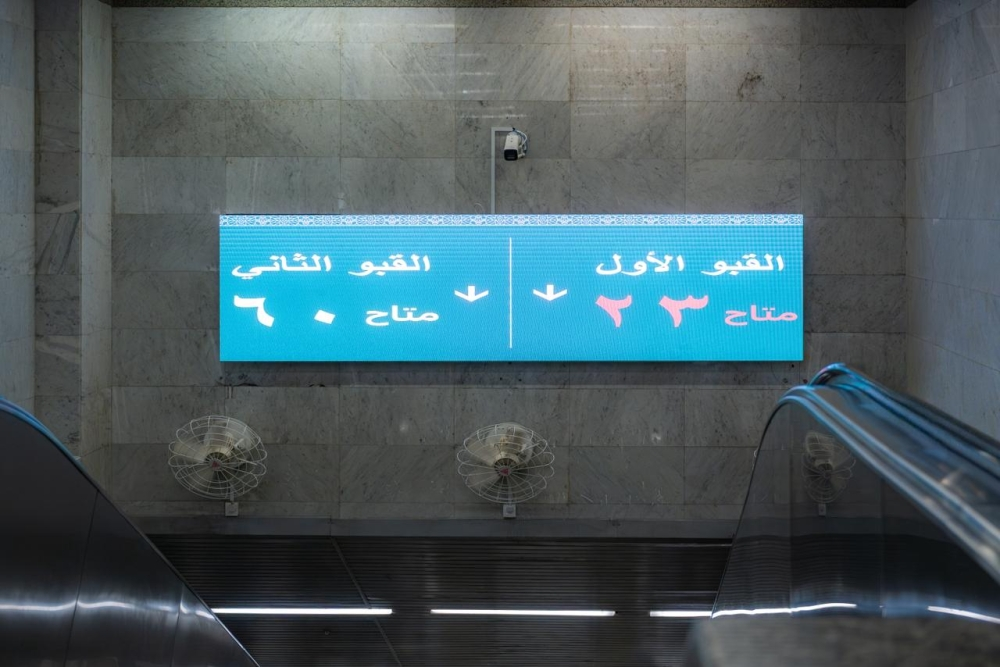
How the smart system works: Goodbye waiting
The entirely new system relies on a network of highly sensitive sensors connected to a central platform. The project's added value lies in its provision of radical solutions to the problem of overcrowding and the search for available spaces, through:
- Interactive spatial guidance: Providing corridors and courtyards with smart screens displaying live maps that guide visitors to the nearest available restroom.
- Real-time occupancy management: Clarifying the status of each unit (vacant/occupied) with extreme accuracy, which reduces congestion in front of entrances and contributes to the smooth flow of crowds, especially during peak times and Hajj and Umrah seasons.
Advanced health and environmental standards
In addition to crowd management, the project focuses primarily on enhancing public health within the facilities. Sensor systems monitor air quality, measure odor levels, and automatically determine cleaning needs. This system allows cleaning and maintenance teams to intervene immediately based on smart alerts rather than traditional schedules, ensuring continuous cleaning and sanitization around the clock, which is vital for preventing the spread of disease in areas with large gatherings.
The future of services in the Two Holy Mosques
This pilot program is a first phase for performance evaluation and data collection, paving the way for its implementation across all facilities of the Two Holy Mosques. This initiative underscores the Kingdom's unwavering commitment to becoming a leading global model in smart city and religious site management, thereby providing an exceptional experience befitting the sanctity of the place and the comfort of visitors.