The Somali army liberates strategic locations in Lower Shabelle from al-Shabaab

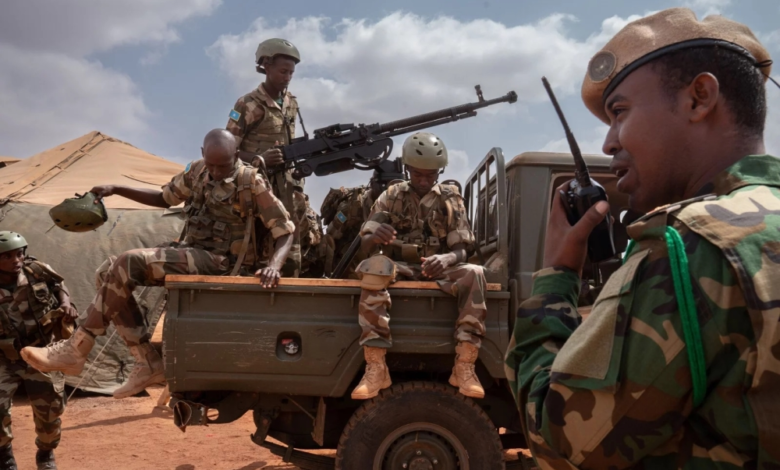
In a joint military operation with the National Intelligence and Security Agency, the Somali Armed Forces achieved a new field victory, regaining full control of the strategic areas of Gandershe and Watanane in the Lower Shabelle region. This move comes as part of the Somali government's intensified efforts to rid the country of remnants of the al-Shabaab terrorist group and secure vital areas.
According to the official Somali news agency SONNA, army and security units successfully raided and destroyed hideouts used by terrorist elements as launching points for their operations in those areas. Military sources confirmed that the ongoing operations in the Lower Shabelle region have significantly weakened the extremist group's combat and logistical capabilities, in addition to eliminating a number of its prominent field commanders. This represents a major blow to the organization's command and control structure in this vital area.
The strategic importance of the Lower Shabelle region
This military advance is of paramount importance given the sensitive geographical location of the Lower Shabelle region, which serves as the southern gateway to the capital, Mogadishu. Terrorist groups have long sought to control towns in this region to use them as rear bases for storing explosives and preparing car bombs before sending them to the capital. Therefore, recapturing Gandershe and Watanane means cutting off the terrorists' main supply lines and strengthening the security belt around the capital, which will directly contribute to reducing the rate of terrorist attacks in major cities.
Context of the total war against terrorism
These operations are part of the “total war” strategy declared by Somali President Hassan Sheikh Mohamud since assuming power, which aims to eradicate terrorism militarily, ideologically, and economically. The past few months have witnessed a radical shift in the tactics of the Somali army, which has moved from a defensive posture to a sustained offensive, bolstered by local clan uprisings and international and regional support. These successive successes demonstrate the growing capabilities of the Somali National Army and its readiness to assume full security responsibilities as the withdrawal of the African Union Transitional Military Mission (ATMIS) forces approaches.
Expected impacts locally and regionally
Domestically, this victory strengthens citizens' confidence in the military and restores normalcy to liberated areas, paving the way for the return of essential services and agricultural and commercial activity, which had been severely disrupted by the group's extortion. Regionally, the defeat of Al-Shabaab in Somalia serves the national security interests of the Horn of Africa and East Africa, reducing the risk of terrorist elements crossing borders and enhancing the stability of the region as a whole, thus encouraging progress on economic and security integration projects among the countries of the region.