Somali security forces kill 13 terrorists in an operation in Middle Shabelle

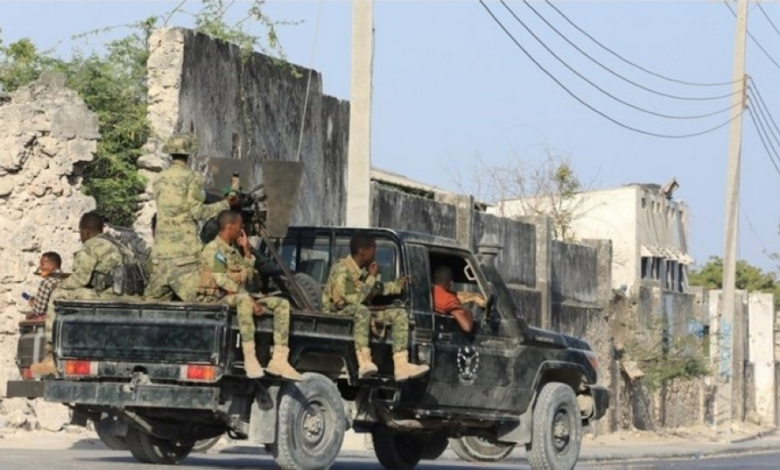
Somali security forces have achieved a new field victory in their ongoing war against extremist groups, as officials announced today that special security units successfully eliminated 13 terrorist elements, including five prominent field commanders, in a meticulously planned military operation in the southeast of the country.
Details of the security operation in Middle Shabelle
According to the Somali National News Agency (SONNA), security forces conducted a surprise attack targeting a house in the Maha Said area of Middle Shabelle region. The operation, based on precise intelligence, resulted in the deaths of 13 terrorists and serious injuries to eight others, including three commanders, dealing a significant blow to the group's organizational structure in the area.
Security sources explained that the targeted house was a secret meeting place for the terrorist cell to plan new attacks, as well as to coordinate financial extortion operations against local residents to extract money under the guise of forced support or "zakat," a method these groups rely on to finance their activities.
The context of the war on terror in Somalia
This operation comes within the context of the comprehensive military campaign launched by the Somali government under the banner of "total war" against the al-Qaeda-linked al-Shabaab movement. Since the election of President Hassan Sheikh Mohamud, the Somali National Army, in cooperation with the clan-based popular resistance known as "Mawesley," has intensified its operations in the Hirshabelle (which includes Middle Shabelle) and Galmudug states, achieving significant territorial gains and recapturing areas that had been under the movement's control for years.
Middle Shabelle province is of paramount strategic importance due to its geographical proximity to the capital, Mogadishu, where government forces seek to secure the capital's security belt and prevent the infiltration of terrorist elements or the use of agricultural areas and forests as launching pads for attacks.
Strategic importance and impact of the process
Eliminating this number of leaders in a single strike carries significant security implications, as targeting the masterminds disrupts their ranks and severs communication lines between terrorist cells. Furthermore, thwarting the meeting before the plans could be executed reflects a remarkable improvement in the capabilities of Somali intelligence and the rapid response of special forces.
Domestically, these operations help alleviate the suffering of civilians who are under immense pressure from armed groups to pay protection money and forcibly recruit children. Internationally, Somalia’s partners view these successes positively, as stability in Somalia is considered a cornerstone of security in the Horn of Africa and its vital waterways.
The Somali government affirms its determination to continue military pressure until all remaining areas are liberated, in parallel with efforts to dry up the financial sources of terrorism and combat extremist ideology, to ensure a safe and stable future for the country.