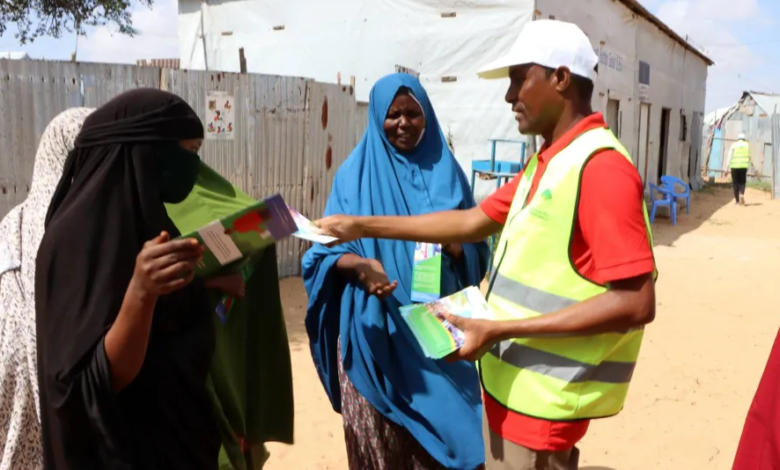

In a historic event marking a pivotal turning point in Somali politics, voters in the semi-autonomous state of Puntland went to the polls to cast their ballots in the first local council elections using the "one person, one vote" system in over half a century. This move offers a glimmer of hope for establishing direct democracy in a country long plagued by civil war and political instability.
A return to democracy after decades of absence
These elections are of exceptional importance given Somalia's historical context; the country has not held direct elections of this kind since 1969, the year dictator Mohamed Siad Barre seized power in a military coup, abolishing democratic life and suspending the constitution. Since the fall of Barre's regime in 1991, Somalia has been mired in chaos and clan conflicts, making general elections virtually impossible for decades.
Overcoming the tribal quota system
For years, Somalia's political and legislative institutions have relied on a complex system known as the "4.5 system," a clan-based power-sharing arrangement whereby representatives and officials are chosen by clan elders rather than through direct popular vote. The current events in Puntland represent a democratic challenge to this traditional system, granting ordinary citizens, for the first time, the right and ability to directly elect their local representatives without clan oversight, thus strengthening the concept of citizenship and effective political participation.
Significance of timing and expected impact
These elections are taking place at a time when the Somali Federal Government and the international community are working to rebuild state institutions and establish security. The Puntland experience is seen as a "testing ground" and a vital indicator of the viability of this democratic model in the rest of Somalia. The success of these elections would send positive signals to international donors and regional partners that Somalia is capable of moving beyond its fragile political transition to a system of elected institutions.
Despite the security and political challenges that the country still faces, the long lines of citizens exercising their democratic right reflect an overwhelming popular desire for change and stability, and pave the way for larger electoral milestones that may include presidential and federal parliamentary elections in the near future.