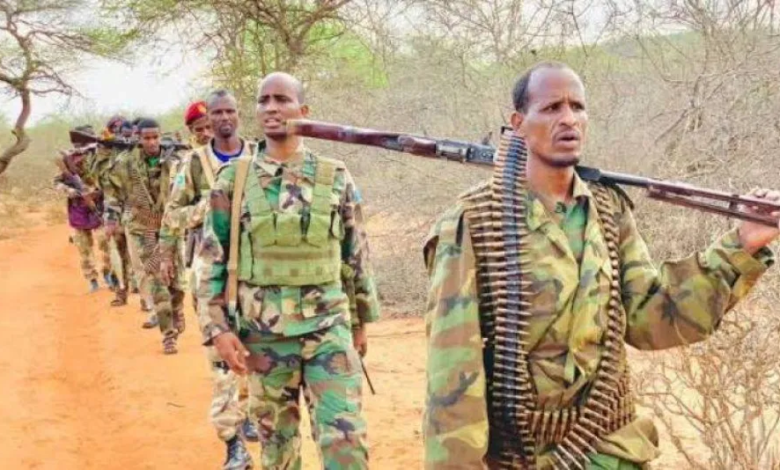
In a strategic move aimed at dismantling the internal structure of extremist groups, the Somali government continues to tighten its grip on the al-Qaeda-linked al-Shabaab movement, not only through military operations on the ground, but also through a "presidential amnesty" strategy targeting misled members. This step is part of a comprehensive approach adopted by Mogadishu to cut off the movement's recruitment sources and encourage defections within its ranks.
Context of the conflict and strategy of total war
For over a decade and a half, Somalia has been waging a fierce war against al-Shabaab, a group that has sought to undermine state authority and destabilize the Horn of Africa. Since President Hassan Sheikh Mohamud assumed power, the government has declared a "total war" against the group, based on three main pillars: military, financial, and ideological. The presidential pardon is a key component of the ideological and psychological pillar, as the government seeks to distinguish between hardline leaders and young people who joined the group under duress, intellectual manipulation, or economic necessity.
The importance of forgiveness and its impact on the cohesion of the movement
Amnesty for those deemed "misguided" represents a significant blow to the morale of al-Shabaab fighters. It offers a safe passage for those wishing to lay down their arms and reintegrate into society without fear of prosecution, provided they renounce violence and extremist ideology. This policy has proven effective in the past, with large numbers of fighters and field commanders surrendering after benefiting from government rehabilitation programs. This tactic puts the movement's leadership in a difficult position, as internal distrust grows and trust erodes between rank and file and commanders, weakening its ability to recruit and mobilize.
Security and regional dimensions
The importance of these moves extends beyond Somalia's borders to regional and international security. Somalia's success in absorbing and reintegrating defectors reduces the risk of extremism spreading to neighboring countries. The Somali government, with the support of international partners and African Union forces, is working to provide specialized centers for the intellectual, psychological, and vocational rehabilitation of defectors, ensuring they do not return to the cycle of violence. The combination of sustained military pressure in central and southern Somalia with an open-door amnesty policy constitutes a comprehensive strategy that could accelerate the defeat of the movement and the restoration of full stability to the Somali state.