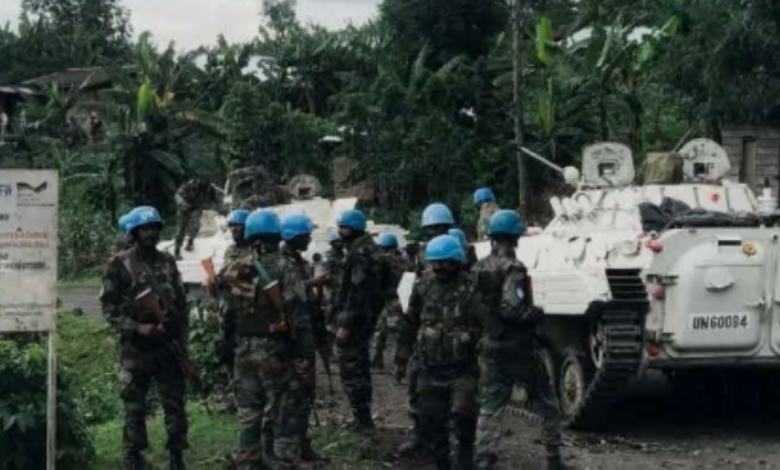
South Africa withdraws its troops from Congo after 27 years of peacekeeping

The Republic of South Africa has officially announced its decision to end its long-standing participation in the United Nations Organization Stabilization Mission in the Democratic Republic of the Congo (MONUSCO), bringing to a close a chapter of nearly 27 years of military and diplomatic engagement in one of the most volatile regions of the African continent. The announcement was made in a statement issued by the office of President Cyril Ramaphosa, confirming that the Secretary-General of the United Nations, António Guterres, had been informed of this strategic move.
Details of the decision and its stated reasons
The South African presidency clarified that the decision to withdraw troops was not sudden, but rather the result of a comprehensive review of the country's military resources. The statement indicated that "Pretoria intends to withdraw its troops from the United Nations peacekeeping mission in the Democratic Republic of Congo," justifying this by the urgent need to reorganize and redirect the resources of the South African Armed Forces (SANDF) to better serve current national and security interests. South Africa had contributed over 700 troops to the mission and played a pivotal role in logistical and combat operations against rebel groups.
The historical context of the South African role
South Africa’s involvement in the Democratic Republic of Congo dates back to the late 1990s, following the end of apartheid and the new South Africa’s ambition to play a leading regional role and be a peacemaker on the continent. Since then, South African forces have been an integral part of UN efforts, from the United Nations Organization Mission in the Democratic Republic of Congo (MONUC) to the United Nations Organization Stabilization Mission in the Democratic Republic of Congo (MONUSCO). Their role has not been limited to the military sphere, but has also included intensive diplomatic efforts to bridge the divide between rival Congolese factions and secure elections at pivotal moments in the country’s history.
Expected security and political repercussions
This withdrawal comes at a time of escalating violence in eastern Congo, particularly with the activity of the M23 movement and other armed groups. The departure of South African troops from the UN mission raises questions about a potential security vacuum. However, observers point out that this withdrawal coincides with shifts in international peacekeeping strategy, as the UN mission faces popular and official pressure in Congo to leave due to perceived ineffectiveness.
Regionally, this withdrawal does not signify a complete abandonment of the Congo by South Africa. Support is expected to continue through other regional frameworks, such as the Southern African Development Community (SADC), but in a format different from the traditional UN mandate. This shift reflects a growing desire among African states to rely on regional security solutions rather than long-term international missions, which often face challenges in funding and mandate renewal.