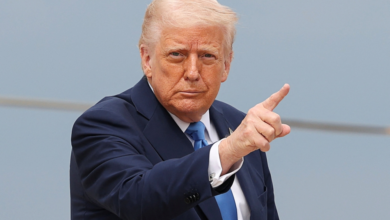

In a striking diplomatic development reflecting the divergent positions across the Atlantic, the Spanish government categorically denied reports that it had agreed to allow the United States to use Spanish territory or bases to launch military attacks against Iran. This denial came as a direct response to statements attributed to White House spokeswoman Caroline Leavitt, who had suggested there was joint coordination in this regard.
Spanish Foreign Minister José Manuel Álvarez, in a decisive statement to the local radio station Cadena SER, affirmed that Madrid's position remains unchanged. Álvarez stated, "I categorically deny any change in our position regarding the use of our bases in the war in the Middle East, specifically in bombing Iran. Nothing has changed at all." This statement puts an end to speculation about Spain's involvement in the current military escalation in the region.
The strategic importance of US bases in Spain
To understand the dimensions of this Spanish refusal, one must consider the historical and military background of relations between the two countries. Spain and the United States are bound by a 1988 defense cooperation agreement, which allows Washington to use two strategic bases: the Rota naval base and the Morón air base. Rota is a key component of NATO's missile defense system and hosts US destroyers, while Morón is a vital hub for air operations and rapid intervention in the Middle East and Africa.
The Spanish refusal effectively means depriving US forces of a crucial logistical and operational hub should they decide to launch large-scale strikes, potentially forcing the Pentagon to seek more costly or logistically complex alternatives.
The political context and its regional and international impact
This Spanish stance is consistent with the current foreign policy of the Madrid government, which favors de-escalation and avoids direct military involvement in the Middle East. This decision reflects Spain's desire to maintain open diplomatic channels and avoid the security and political repercussions that could result from participating in a war against Tehran.
Internationally, this stance sends a clear message that Western or Atlantic consensus is not automatic on all issues, especially when it comes to offensive military operations that could lead to a full-blown regional war. It also reinforces Spain's sovereign decision-making within NATO, emphasizing that the use of shared military bases is subject to prior political approval and is not a blank check.