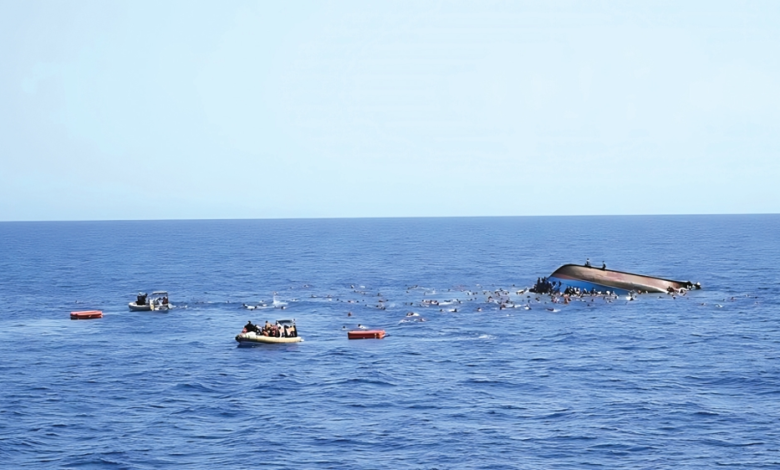
Spanish authorities announced in an official statement that maritime rescue teams successfully rescued 41 undocumented migrants from two boats off the coast of the Balearic Islands, as part of intensive monitoring and surveillance operations along the maritime borders. This operation culminates search efforts for boats reported missing earlier, with authorities confirming the end of the search for three boats that went missing on Thursday in perilous conditions in the Mediterranean Sea.
In detailing the operation, the island authorities explained that they located the third missing boat off the coast of Mallorca, rescuing all its passengers and bringing them to safety for necessary care. The efforts didn't stop there; shortly afterward, specialized teams found a fourth boat south of Ibiza, which had not been previously reported missing. All those on board were rescued and found to be in good health, reflecting the ongoing vigilance of the Spanish Coast Guard.
Statistics on illegal immigration and the Spanish route
Meanwhile, recent data from the Spanish Ministry of the Interior reveals a significant shift in migration dynamics along this route. Official figures indicate that the number of undocumented migrants arriving by sea to the Balearic Islands and the Iberian Peninsula decreased by approximately 25% between the beginning of January and mid-February, compared to the same period last year. This decline likely reflects the impact of weather conditions or stricter security measures and cooperation with countries of origin.
Regional context and Mediterranean challenges
The Balearic Islands, due to their geographical location in the western Mediterranean, are a frequent destination for migrant boats departing primarily from the coasts of North Africa, particularly Algeria. This route is known as one of the most dangerous sea routes taken by migrants hoping to reach Europe, as they face the risk of drowning due to unseaworthy boats and sudden changes in weather, especially during winter.
The issue of irregular migration poses a persistent challenge for the Spanish government and the European Union as a whole. While Madrid seeks to bolster its surveillance and rescue capabilities, it is simultaneously working diplomatically with neighboring countries to secure borders and combat human trafficking networks. This incident once again highlights the ongoing humanitarian tragedy in the Mediterranean and the urgent need for fundamental solutions that address the root causes of migration, rather than relying solely on security measures and emergency rescue operations.
Observers believe that the 25% decrease in numbers does not necessarily mean the end of the crisis, but may be a temporary indicator, as economic and social pressures in the countries of origin remain a strong incentive to continue crossing attempts, which keeps the Spanish emergency services on constant alert to deal with any potential flows or maritime accidents that may occur in the near future.