Starmer and Trump discuss reopening the Strait of Hormuz and securing navigation

Details of the phone call between Starmer and Trump
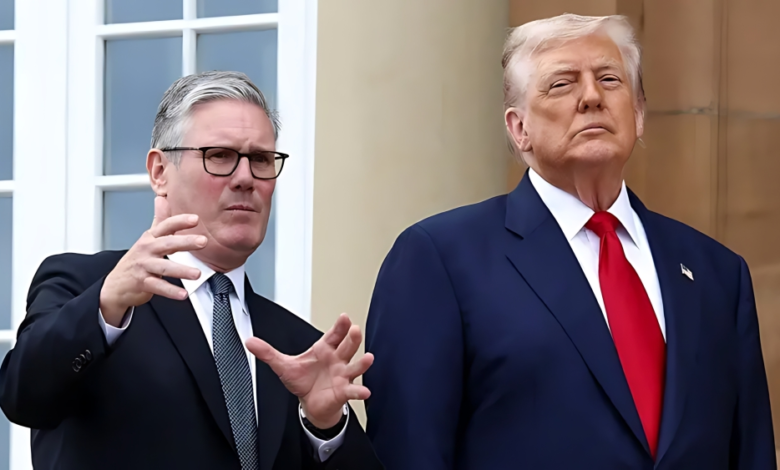
Amid escalating geopolitical tensions in the Middle East, British Prime Minister Keir Starmer held a crucial telephone conversation with US President Donald Trump. The discussions focused primarily on current developments and the importance of joint efforts to ensure the reopening of the strategic Strait of Hormuz. This call came at a critical juncture, as Iran had effectively closed the strait almost entirely in response to recent US and Israeli military strikes. Both leaders affirmed that the continued closure poses a direct threat to international security and the global economy.
The strategic and historical importance of the Strait of Hormuz
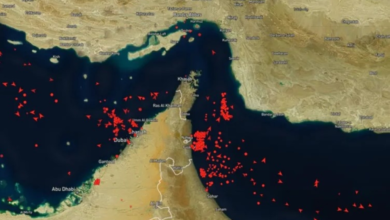
The Strait of Hormuz is one of the world's most important and vital waterways. Connecting the Persian Gulf, the Gulf of Oman, and the Arabian Sea, it is a crucial artery for global energy supplies. Historically, the strait has been a frequent flashpoint in regional conflicts, as approximately one-fifth of the world's daily crude oil consumption, along with vast quantities of liquefied natural gas, passes through it. Any threat to freedom of navigation in this narrow waterway immediately impacts the stability of global markets, which explains the swift action taken by Washington and London to contain the current crisis and prevent its escalation.
The repercussions of closing the strait on shipping and the global economy
According to a Downing Street spokesperson, Starmer and Trump discussed the current situation in the Middle East, emphasizing that reopening the Strait of Hormuz is crucial to ending the serious disruptions to global maritime navigation. These disruptions have already caused a sharp rise in shipping and marine insurance costs worldwide. In this context, a recent study by the United Nations Conference on Trade and Development (UNCTAD) warned that the paralysis of navigation through the strait has far-reaching and potentially catastrophic consequences extending beyond the Middle East, threatening energy markets and global supply chains.
Numbers and facts: Oil prices and ship traffic
The UNCTAD report highlighted alarming data illustrating the scale of the crisis: daily shipping traffic through the strait came to a near standstill amid escalating military tensions, after averaging around 129 vessels per day between February 1 and 27. This sudden halt triggered a historic surge in energy prices, with Brent crude surpassing $100 per barrel. This dramatic rise exacerbates international concerns about inflationary pressures that could impact multiple economic sectors, potentially leading to a global recession if the situation is not addressed.
International calls to secure waterways
In conjunction with these developments, US President Donald Trump explicitly invited countries heavily reliant on oil transported through the Strait of Hormuz to contribute to a naval force to secure this vital waterway in coordination with the United States. This proposed maritime coalition aims to protect commercial shipping and ensure the uninterrupted flow of energy supplies. At the conclusion of the call, British Prime Minister Keir Starmer offered his deepest condolences to President Trump for the deaths of 13 American service members since the start of the latest military operations, reflecting the depth of the strategic alliance between the two countries in confronting shared security challenges.