Localities
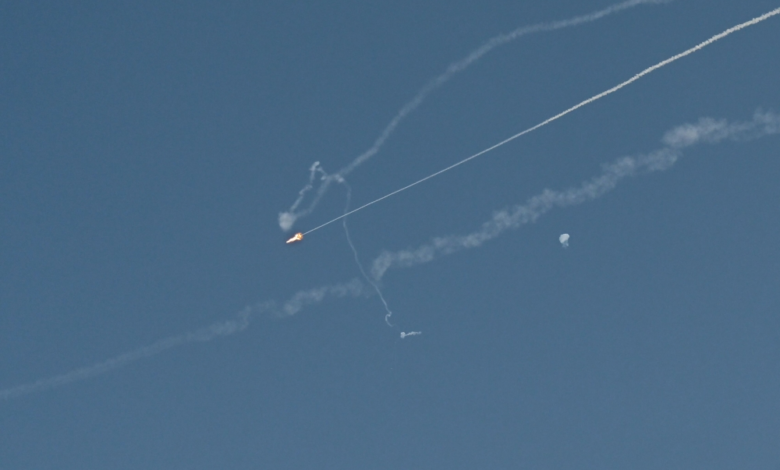
Defense Ministry: Two ballistic missiles launched towards the Eastern Province were intercepted and destroyed

.aksa-articleBody h1 span, .aksa-articleBody h2 span, .aksa-articleBody h3 span { font-size: unset; } .relateArticleBody + br + br, .relateArticleBody + br { display: none; } .relateArticleBody { margin-top: 20px; margin-bottom: 20px; } .relateArticleBodyTitle { font-family: 'Cairo'; font-weight: 800; font-size: 17px; line-height: 24px; padding-right: 7px; border-right: 4px solid #00509f; margin-bottom: 10px; color: #00509f; } .blue-gradient-border{ height: 2px; background: linear-gradient(270deg, #00509F 0%, rgba(0, 80, 159, 0) 63.54%); margin-bottom: 20px; } .relateArticleBodyRow { display: flex; padding-bottom: 5px; } .relatedImageSmall{ margin-left: 7px; } .relateArticleBodyRow .relatedImageSmall .ratio{ padding-bottom: 100%; } .relateArticleBody.relatedImageSmall .ratio img { position: absolute; } .relateArticleBody .article-bx .related_article_title{ font-family: 'Cairo'; font-size: 14px; line-height: 24px; color: #00509f; font-weight: 800; display: -webkit-box; -webkit-line-clamp: 3; -webkit-box-orient: vertical; overflow: hidden; } .relateArticleBodyRow .article-bx{ padding-top: 2px; padding-left: 3px; border-left: 1px solid #dddddd; margin-left: 5px; } .relateArticleBodyRow:last-child .article-bx{ border-left: none; } article div[data-oembed-url] { display: table; margin:auto; } @media screen and (max-width: 768px) { .relateArticleBody { float: none; width: 100%; } .relateArticleBodyRow { display: flex; padding-bottom: 5px; width: 100%; margin-bottom: 10px; } .relateArticleBodyRow .article-bx{ border-left: none; } }
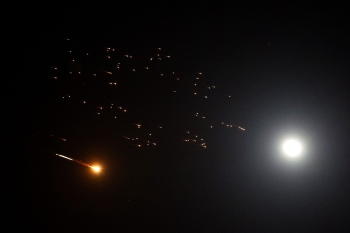


The official spokesman for the Ministry of Defense, Major General Turki Al-Maliki, stated that two ballistic missiles launched towards the Eastern Province were intercepted and destroyed.