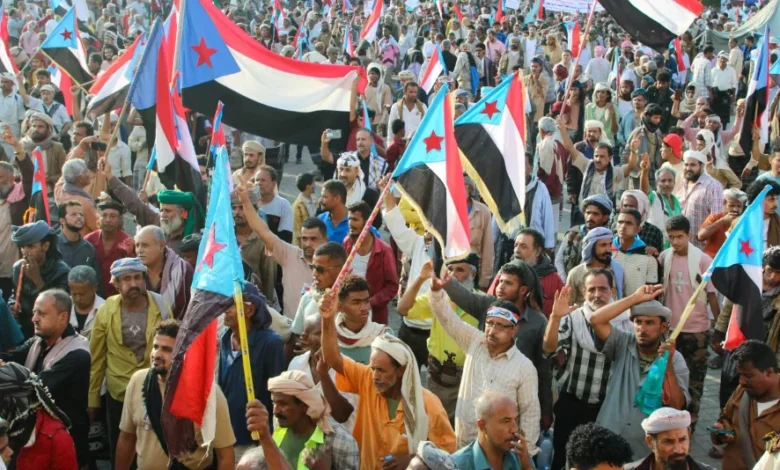
Yemen: The role of the Southern Transitional Council in promoting peace and stability

The political landscape in Yemen is undergoing fundamental shifts, with strong indications that recent political arrangements concerning the Southern Transitional Council are paving the way for peaceful and sustainable settlements in the southern governorates. This comes at a time when regional and international efforts are intensifying to end the years-long conflict and reach a consensus that guarantees the stability of legitimate institutions.
General context and historical background
To understand the dimensions of these settlements, it is essential to return to the Riyadh Agreement signed in November 2019, which laid the foundations for a partnership between the legitimate government and the Southern Transitional Council. These efforts culminated in April 2022 with the formation of the Presidential Leadership Council, which included Aidarus al-Zubaidi, head of the Southern Transitional Council. This represented a strategic turning point, shifting the conflict from internal military tensions in the south to a political partnership within the presidency. These steps were not merely formalities, but rather an imperative for unifying the anti-Houthi front and ensuring the return of state institutions to the interim capital, Aden.
The importance of the event and its local impact
Domestically, incorporating the demands of the Southern Transitional Council within the framework of the state is a crucial step toward achieving security and service stability in Aden and neighboring governorates. Ending the duplication of military and security decisions paves the way for the government to focus on the deteriorating economy, address the collapse of the local currency, and improve essential services such as electricity and water, which Yemeni citizens have long suffered from. Furthermore, these peaceful settlements strengthen social cohesion in the south and reduce political polarization.
Regional and international dimensions
Regionally, this consensus reflects the success of Saudi and Emirati diplomacy in bridging the divide within the legitimate government's camp, thus strengthening the position of the Arab coalition supporting the legitimate government. Internationally, the existence of a unified presidential leadership council that includes all active forces, including the Southern Transitional Council, facilitates the task of the UN envoy to Yemen, Hans Grundberg, in pushing for comprehensive peace negotiations with the Houthis. The international community is fully aware that any final political settlement cannot succeed without addressing the southern issue and ensuring the presence of genuine representatives of the south at the negotiating table, which the current arrangements provide.
In conclusion, the political solutions currently being developed, which place the Transitional Council as a key partner in decision-making, not only pave the way for peaceful settlements in the south, but also establish a new phase of state-building and push the peace train in Yemen towards its desired destination, away from the language of weapons and internal fighting.