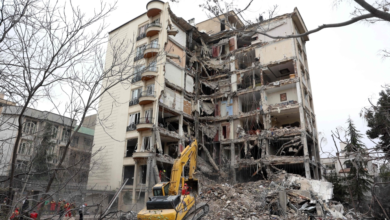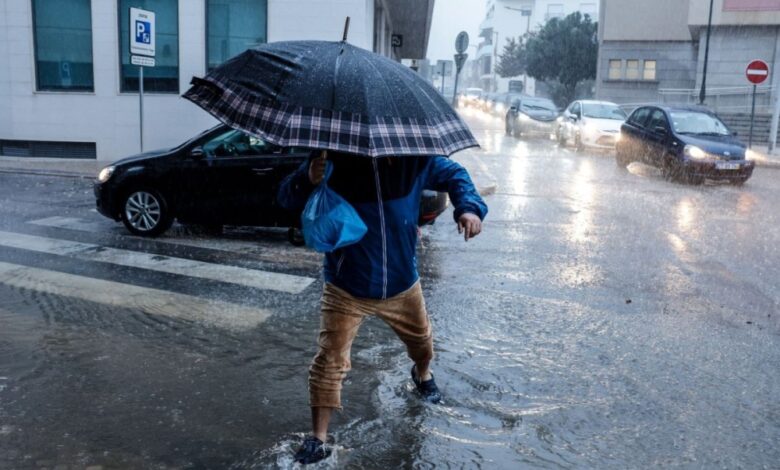

تعيش شبه الجزيرة الأيبيرية ساعات عصيبة وحالة من التأهب القصوى، حيث تستعد كل من إسبانيا والبرتغال لمواجهة تداعيات العاصفة ليوناردو، التي تهدد المنطقة بمخاطر جوية استثنائية. وقد سارعت السلطات في البلدين إلى اتخاذ تدابير احترازية عاجلة، شملت إغلاق المدارس في جنوب إسبانيا ورفع درجات الإنذار، في محاولة لتجنب تكرار سيناريوهات الكوارث الطبيعية التي ضربت المنطقة مؤخرًا.
إسبانيا تعلن الإنذار الأحمر وإغلاق المدارس
في خطوة استباقية، أصدرت وكالة الأرصاد الجوية الإسبانية (AEMET) أعلى مستويات التحذير، معلنة “الإنذار الأحمر” ليوم الأربعاء في مناطق محددة بإقليم الأندلس الجنوبي، وتحديدًا في منطقتي روندا وجرازاليما. وحذرت الوكالة بلهجة شديدة من “مخاطر استثنائية” قد تحملها العاصفة ليوناردو، بما في ذلك احتمالية حدوث فيضانات عارمة وانهيارات أرضية قد تشكل خطرًا حقيقيًا على الأرواح والممتلكات.
واستجابة لهذه التحذيرات، أعلنت السلطات التعليمية إغلاق جميع المدارس في إقليم الأندلس يوم الأربعاء، باستثناء تلك الواقعة في مقاطعة ألمرية في أقصى الشرق. ومن جانبه، وجه خوانما مورينو، حاكم إقليم الأندلس والمسؤول عن إدارة الطوارئ في النظام اللامركزي الإسباني، نداءً عاجلاً للسكان بضرورة توخي أقصى درجات الحذر والتحلي بالحكمة، وتجنب التنقلات غير الضرورية حتى انحسار العاصفة.
البرتغال تحت وطأة الثلوج والرياح
على الجانب الآخر من الحدود، لا يبدو الوضع أقل خطورة في البرتغال، حيث أصدرت وكالة الأرصاد الجوية البرتغالية (IPMA) إنذارًا برتقاليًا يغطي الساحل بأكمله، تزامنًا مع اقتراب العاصفة ليوناردو من المحيط الأطلسي. وتشير التوقعات إلى أن المناطق الشمالية والوسطى من البلاد ستشهد تساقطًا كثيفًا للثلوج، مصحوبًا برياح عاتية وأمطار غزيرة من المتوقع أن تستمر حتى يوم السبت المقبل.
وتأتي هذه العاصفة الجديدة لتزيد من معاناة البرتغال التي لا تزال تلملم جراحها بعد سلسلة من العواصف المدمرة، كان آخرها العاصفة “كريستين” التي ضربت البلاد الأسبوع الماضي. وقد خلفت كريستين خسائر بشرية ومادية فادحة، متسببة في مقتل 5 أشخاص وإصابة نحو 400 آخرين، مع تركيز الأضرار بشكل خاص في منطقة ليريا بوسط البلاد، بالإضافة إلى وفاة 4 أشخاص آخرين في حوادث متفرقة مرتبطة بسوء الأحوال الجوية.
تداعيات اقتصادية وسياق مناخي مقلق
تلقي هذه الاضطرابات الجوية بظلالها الثقيلة على البنية التحتية والاقتصاد في المنطقة. ففي البرتغال، لا تزال عشرات الآلاف من المنازل تعاني من انقطاع التيار الكهربائي، مما دفع الحكومة للموافقة على خطة إعادة إعمار ضخمة بقيمة 2.5 مليار يورو (حوالي 3 مليارات دولار) لإصلاح الأضرار وتحديث الشبكات المتضررة.
ويربط العلماء وخبراء المناخ هذا التواتر المتزايد في الظواهر الجوية المتطرفة، مثل العواصف العنيفة وموجات الحر، بالتغير المناخي الناتج عن النشاط البشري. ويؤكد الخبراء أن ارتفاع درجات حرارة المحيطات والغلاف الجوي يساهم في زيادة حدة هذه العواصف وإطالة أمدها، مما يجعل المناطق الساحلية مثل شبه الجزيرة الأيبيرية أكثر عرضة للمخاطر.
ذاكرة الكوارث القريبة
تأتي مخاوف السكان والسلطات في سياق نفسي صعب، حيث لا تزال ذاكرة المنطقة حية بمشاهد الدمار التي خلفتها الفيضانات العارمة في إسبانيا خلال شهر أكتوبر 2024. تلك الكارثة التي لم تشهد البلاد مثيلاً لها منذ عقود، أودت بحياة أكثر من 230 شخصًا، تركزت غالبيتهم في منطقة فالنسيا الشرقية، مما يجعل التعامل مع العاصفة الحالية “ليوناردو” يتسم بحساسية مفرطة وجدية تامة لتفادي أي خسائر بشرية جديدة.