
بعد ساعات عصيبة عاشتها شبه الجزيرة الإيبيرية، بدأت الأجواء في إسبانيا والبرتغال تميل نحو الهدوء النسبي يوم الأحد، عقب مرور العاصفة مارتا التي خلفت وراءها أضراراً مادية جسيمة وخسائر بشرية، بالإضافة إلى تعطل في البنية التحتية وشبكات النقل.
تراجع حدة الأمطار وتحذيرات مستمرة
أفادت وكالة الأرصاد الجوية الوطنية الإسبانية في نشرتها الأخيرة بأن حدة الأمطار بدأت في التراجع بشكل ملحوظ، متوقعة هطول أمطار وثلوج محدودة مقارنة بالأيام السابقة. وقد تم خفض مستوى التحذير إلى "البرتقالي" في عدد قليل من المقاطعات، مما يشير إلى انحسار الخطر المباشر للعاصفة التي ضربت المنطقة بقوة يوم السبت.
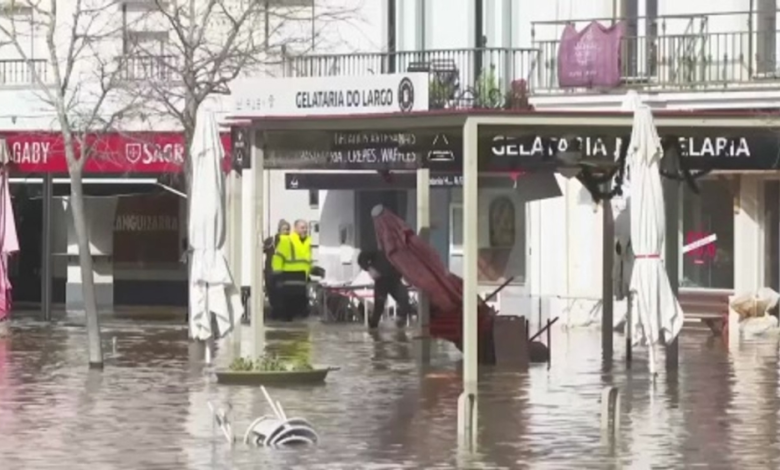
وفي منطقة الأندلس الجنوبية، التي كانت الأكثر تضرراً، يتوقع أن يكون الطقس أكثر اعتدالاً. ويأتي هذا التحسن بعد أيام شهدت فيها المنطقة هطول أمطار غزيرة غير مسبوقة، تسببت في فيضانات عارمة أجبرت السلطات المحلية وفرق الإنقاذ على إجلاء أكثر من 11 ألف شخص من منازلهم حفاظاً على أرواحهم، في واحدة من أكبر عمليات الإجلاء الوقائي في المنطقة مؤخراً.
خسائر بشرية وحوادث مأساوية
على الرغم من انحسار العاصفة، إلا أنها تركت أثراً مأساوياً. فقد أعرب رئيس الوزراء الإسباني، بيدرو سانشيز، عن أسفه العميق لوفاة عامل صيانة طرق في وسط البلاد. ووقع الحادث عندما تعرضت آلية جرف الثلوج التي كان يقودها العامل لحادث في منطقة غمرتها الثلوج الكثيفة. ورغم أن السلطات لم تؤكد بعد ما إذا كانت الظروف المناخية هي السبب المباشر للوفاة، إلا أن الحادث يسلط الضوء على المخاطر التي تواجهها فرق الطوارئ خلال هذه الأنواء المناخية.
وفي حادث منفصل بقرية "كانين" في الأندلس، تسببت الأمطار الغزيرة وتشبع التربة بالمياه في انهيار حائط، مما أدى إلى إصابة شخص تم نقله على الفور إلى المستشفى لتلقي العلاج، وفقاً لما ذكرته أجهزة الإسعاف الإسبانية.
الوضع في البرتغال وتزامن العاصفة مع الانتخابات
في الجارة البرتغال، وصف متحدث باسم الحماية المدنية الليلة الماضية بأنها كانت "هادئة جداً" مقارنة بسابقاتها. ومع ذلك، لا تزال البلاد تعاني من تبعات العاصفة، حيث لا تزال حركة القطارات معطلة في العديد من الخطوط بشمال ووسط البلاد، مما أدى إلى ارتباك في حركة النقل.
كما يعاني عشرات الآلاف من المواطنين من انقطاع التيار الكهربائي نتيجة تضرر الشبكات بفعل الرياح القوية وسقوط الأشجار. وتأتي هذه الظروف الصعبة تزامناً مع توجه الناخبين البرتغاليين إلى صناديق الاقتراع للإدلاء بأصواتهم في الجولة الثانية من الانتخابات الرئاسية، مما شكل تحدياً لوجستياً إضافياً للسلطات لضمان سير العملية الانتخابية بسلامة.
التغير المناخي وتأثيره على شبه الجزيرة الإيبيرية
تُعد العاصفة "مارتا" تذكيراً جديداً بالتحديات المناخية التي تواجهها منطقة جنوب أوروبا. وتصنف شبه الجزيرة الإيبيرية كواحدة من أكثر المناطق عرضة لتداعيات التغير المناخي في القارة العجوز. ففي السنوات الأخيرة، باتت المنطقة تشهد نمطاً مناخياً متطرفاً يتأرجح بين موجات حر طويلة وجفاف حاد، وبين عواصف مفاجئة وأمطار طوفانية مدمرة.
ويرى خبراء المناخ أن تكرار هذه الظواهر الجوية المتطرفة، مثل العاصفة مارتا، يعكس الاضطراب المناخي الذي يهدد البنية التحتية والقطاع الزراعي في كل من إسبانيا والبرتغال، مما يستدعي تعزيز استراتيجيات التكيف وإدارة الكوارث لمواجهة مستقبل مناخي غير مستقر.