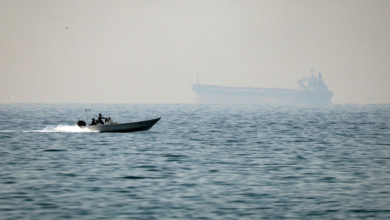

S&P Global Energy warned of serious repercussions for global energy markets should the Strait of Hormuz remain closed or navigation through it disrupted for an extended period, describing the potential impact on crude oil prices as "catastrophic." This warning comes at a time of escalating geopolitical tensions that have cast a shadow over maritime trade in one of the world's most vital waterways.
The strategic importance of the Strait of Hormuz
The Strait of Hormuz is a vital artery for the global economy, with approximately one-fifth of the world's daily oil consumption flowing through it. Historically, this waterway has been a critical chokepoint, affected by political and military crises in the Middle East. The agency confirmed that Brent crude has already seen a significant increase of $10 per barrel in recent weeks as an initial response to supply concerns. However, the worst-case scenario would be a complete or prolonged closure, which would lead to unprecedented price spikes.
Strategic stockpiles and storage challenges
In an interview with Al Arabiya, Andy Critchlow, head of news at the agency, explained that the oil market remains relatively stable so far. He attributed this to the large strategic reserves held by major consumers like China, as well as the ability of the US oil sector to supply markets—a factor that was not as readily available during previous crises. However, Critchlow pointed to logistical challenges facing producers in the region, most notably the limited storage capacity in countries like the UAE, which could force producers to reduce production if exports become impossible.
Direct impacts on Asian markets
The repercussions weren't limited to price hikes; they extended to refining policies in Asia. Given China's heavy reliance on Middle Eastern oil, Beijing instructed its major refiners to suspend diesel and gasoline exports to ensure domestic energy security, according to Bloomberg. This move coincided with similar actions in Japan and Thailand, where fuel exports were canceled or shipments suspended to focus on meeting domestic demand amid supply concerns.
Geopolitical tensions and the language of numbers
Concerns are escalating amid continued political wrangling and mutual threats, including Russian threats to cut off supplies to Europe and the ongoing debate over the protection of commercial vessels. This anxiety has been clearly reflected in market indicators, with Brent crude rising to nearly $83.07 per barrel and West Texas Intermediate climbing to $76.60. Analysts believe that the accumulation of hundreds of tankers in the region and expectations of continued disruption are supporting prices remaining high in the foreseeable future, posing a significant challenge to the global economy.