
تصاعد التوترات الملاحية وإعلان مسارات بديلة
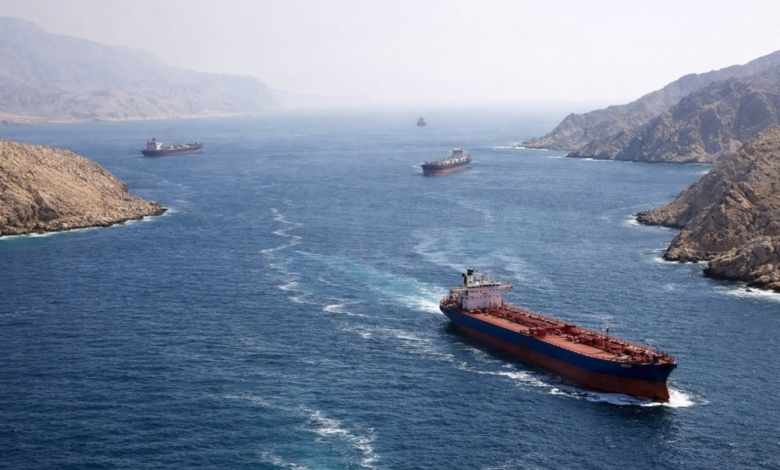
في تطور لافت للأحداث الأمنية في منطقة الشرق الأوسط، أعلنت البحرية التابعة للحرس الثوري الإيراني عن إجراءات طارئة تتعلق بحركة الملاحة البحرية. حيث أوضحت أن السفن التجارية وناقلات النفط التي تمر عبر مضيق هرمز الاستراتيجي يجب أن تسلك طريقين بديلين يقعان بالقرب من الساحل الإيراني. وتأتي هذه التوجيهات، التي تم تعميمها عبر خرائط بحرية عسكرية نشرتها وكالة أنباء مهر، لتحديد مسارين جديدين في جنوب وشمال جزيرة لارك الإيرانية. وقد بررت طهران هذه الخطوة بوجود احتمالات كبيرة لانتشار ألغام بحرية على الطريق الملاحي المعتاد، مما يشكل خطراً جسيماً على سلامة السفن، مؤكدة أن هذا الإجراء سيستمر حتى إشعار آخر بالتنسيق مع القوات البحرية لحماية السفن من أي اصطدامات محتملة.
الأهمية الاستراتيجية والتاريخية لمضيق هرمز
يُعد مضيق هرمز الشريان الحيوي الأهم للاقتصاد العالمي، حيث يربط بين الخليج العربي وخليج عُمان وبحر العرب. وتاريخياً، كان هذا الممر المائي نقطة ارتكاز للتوترات الجيوسياسية، إذ يمر من خلاله نسبة كبيرة من إنتاج العالم من النفط، مما يجعله نقطة اختناق حرجة. أي تهديد أو إغلاق لهذا المضيق لا يؤثر فقط على الدول المشاطئة له، بل يمتد تأثيره ليضرب عصب الاقتصاد الدولي، مما يفسر الاهتمام العالمي البالغ بأي تغييرات في قواعد الملاحة داخله وحرص المجتمع الدولي على إبقائه آمناً ومفتوحاً.
التداعيات الاقتصادية لإغلاق الممر الملاحي
بدأت فصول الأزمة الحالية تتصاعد منذ مطلع شهر مارس، عندما أقدمت طهران على إغلاق طريق الشحن الرئيسي. هذا الإجراء أدى بشكل مباشر وفوري إلى اضطرابات واسعة في الأسواق العالمية، حيث سجلت أسعار الطاقة والنفط الخام ارتفاعاً حاداً. وتخشى الدول الصناعية الكبرى من أن استمرار إغلاق الممر المعتاد سيؤدي إلى زيادة تكاليف التأمين والشحن، مما ينعكس سلباً على معدلات التضخم العالمي وأسعار السلع الأساسية التي تعتمد على استقرار إمدادات الطاقة.
اتفاق وقف إطلاق النار والضغوط الأمريكية
على الصعيد السياسي والعسكري، شهدت الأزمة تدخلاً أمريكياً حاسماً. فقد توصلت الولايات المتحدة الأمريكية وإيران إلى اتفاق يقضي بوقف إطلاق النار لمدة أسبوعين، بدءاً من ليل الثلاثاء والأربعاء. وجاء هذا الاتفاق في اللحظات الأخيرة، قبل أقل من ساعة من انتهاء المهلة الصارمة التي حددها الرئيس الأمريكي دونالد ترامب. وكان ترامب قد هدد بتوجيه ضربات قاسية وتدميرية ما لم تستجب طهران لمطالب واشنطن المتمثلة في التوصل إلى اتفاق يضمن إعادة فتح مضيق هرمز بالكامل أمام حركة الملاحة الدولية.
واشنطن تطالب بفتح المضيق فوراً
رغم التوصل إلى هدنة مؤقتة، لا تزال الإدارة الأمريكية تصر على موقفها الحازم بضرورة عودة الأمور إلى طبيعتها. فقد طالبت الولايات المتحدة إيران بفتح مضيق هرمز بشكل فوري، معتبرة أن استمرار إغلاقه أو تقييد الحركة فيه أمر غير مقبول على الإطلاق بموجب القوانين الدولية التي تكفل حرية الملاحة. وفي هذا السياق، صرحت المتحدثة باسم البيت الأبيض، كارولاين ليفيت، في إفادة للصحفيين قائلة: “أشدد على أن الرئيس دونالد ترامب يتوقع ويطالب بإعادة فتح مضيق هرمز فوراً وبشكل سريع وآمن”. وتأتي هذه التصريحات في ظل تقارير تؤكد أن الممر الرئيسي لا يزال مغلقاً رغم سريان اتفاق وقف إطلاق النار بين واشنطن وطهران، مما يبقي المنطقة في حالة من الترقب الشديد.