
في ظل تصاعد التوترات الجيوسياسية في منطقة الشرق الأوسط، أطلقت منظمة الأمم المتحدة للأغذية والزراعة “الفاو” تحذيرات شديدة اللهجة من أن استمرار تعطل حركة الشحن والملاحة عبر أزمة مضيق هرمز قد يؤدي إلى اندلاع أزمة غذاء عالمية غير مسبوقة. وتأتي هذه التحذيرات في وقت يعاني فيه الاقتصاد العالمي من هشاشة واضحة، حيث ترتبط أسعار الغذاء ارتباطاً وثيقاً بأسعار الطاقة وتكاليف الشحن وسلاسل الإمداد.
السياق الاستراتيجي والتاريخي لمضيق هرمز
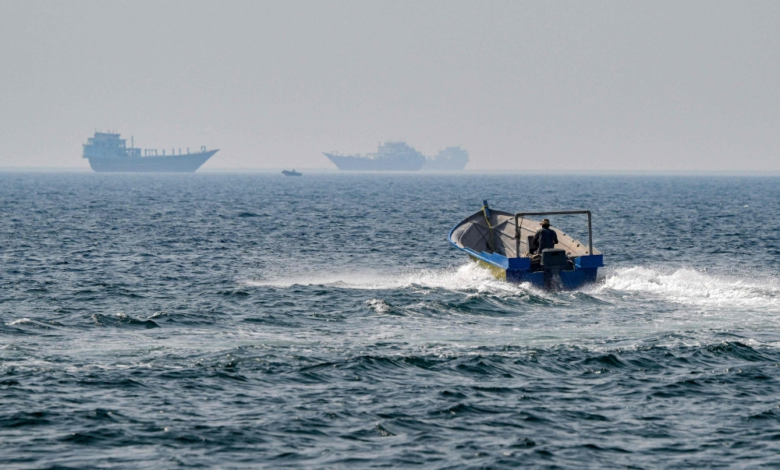
يُعد مضيق هرمز، الذي يربط بين الخليج العربي وخليج عُمان وبحر العرب، أحد أهم الممرات المائية الاستراتيجية على مستوى العالم. تاريخياً، يمر عبر هذا المضيق الضيق نحو 20% إلى 30% من الاستهلاك العالمي من النفط، بالإضافة إلى كميات ضخمة من الغاز الطبيعي المسال. أي تهديد أو إغلاق جزئي لهذا الممر الحيوي يؤدي فوراً إلى صدمات في أسواق الطاقة العالمية، وهو ما ينعكس تلقائياً على كافة القطاعات الإنتاجية، وعلى رأسها القطاع الزراعي الذي يعتمد بشكل أساسي على استقرار أسعار المحروقات.
الرابط بين أزمة الطاقة وارتفاع أسعار الغذاء
أوضحت “الفاو” أن الخطر الحقيقي يكمن في النقص المحتمل لإمدادات الطاقة والأسمدة. فالزراعة الحديثة تعتمد بشكل كبير على الأسمدة الكيماوية، وخاصة الأسمدة النيتروجينية التي يُعد الغاز الطبيعي المكون الأساسي لإنتاجها. ارتفاع أسعار الطاقة يعني بالضرورة ارتفاع تكاليف إنتاج الأسمدة، مما يجبر المزارعين على تقليل استخدامها، وهو ما يؤدي في النهاية إلى انخفاض حاد في المحاصيل الزراعية وارتفاع أسعار الغذاء عالمياً. ودعت المنظمة إلى ضرورة اتخاذ إجراءات دولية عاجلة، وتوفير آليات تمويل سريعة عبر صندوق النقد الدولي لتفادي تفاقم هذه الأزمة وحماية الدول الأكثر ضعفاً.
تفاقم معدلات الفقر عالمياً: تحذيرات أممية إضافية
في سياق متصل، سبق وأن حذر برنامج الأمم المتحدة الإنمائي من أن التصعيد العسكري المستمر في الشرق الأوسط لم يعد مجرد شأن إقليمي محدود التأثير، بل تحول إلى تهديد واسع النطاق يهدد بدفع عشرات الملايين من البشر حول العالم إلى مستويات الفقر المدقع. وأشارت التقديرات إلى أن هذه التداعيات قد تطال نحو 162 دولة، مما يعكس حجم الترابط المعقد في الاقتصاد العالمي المعاصر.
وأوضح البرنامج في بيان رسمي أن الآثار السلبية لا تقتصر فقط على الدول المنخرطة مباشرة في النزاع أو تلك المعتمدة كلياً على واردات الطاقة، بل تمتد بشكل عميق ومؤلم إلى اقتصادات هشة ونامية تبعد آلاف الكيلومترات عن ساحات القتال. ومع دخول الأزمة أسبوعها السادس، ورغم بعض الإعلانات عن محاولات لوقف إطلاق النار، تتحول آثار هذه الأزمة تدريجياً من مجرد صدمة اقتصادية حادة ومؤقتة إلى حالة ركود وتضخم مستمرة تستنزف مقدرات الشعوب.
التأثيرات المتوقعة للأزمة (محلياً، إقليمياً، ودولياً)
- على المستوى المحلي والإقليمي: تواجه دول الشرق الأوسط تحديات مضاعفة تتمثل في تباطؤ النمو الاقتصادي، وارتفاع معدلات التضخم، وتراجع الاستثمارات الأجنبية المباشرة نتيجة حالة عدم اليقين الأمني والسياسي.
- على المستوى الدولي: تتزايد المخاوف من تعطل سلاسل الإمداد العالمية، مما يضع الدول المستوردة للغذاء والطاقة، خاصة في القارة الإفريقية وأجزاء من آسيا، أمام خطر حقيقي يهدد أمنها الغذائي ويزيد من عجز موازناتها، مما يستدعي تدخلاً فورياً من المؤسسات المالية الدولية لضمان استقرار الأسواق وتدفق السلع الأساسية.