Details of the 2025 Student Assessment Regulations and the Integration of Oral Exams

The Saudi Ministry of Education has revealed the key features of the new student assessment regulations for 2025, coinciding with the approach of the first semester exams. This step aims to establish modern concepts in measuring educational performance, with the Ministry emphasizing the adoption of a strategic approach that strengthens "formative assessment" as a fundamental pillar, representing a significant shift in the philosophy of traditional tests.
Context and objectives of educational development
This update is part of a series of educational reforms aimed at improving learning outcomes in line with the goals of the Kingdom's Vision 2030. Through this regulation, the Ministry seeks to shift from a purely simplistic focus on final grades to a more continuous learning process. This shift aims to alleviate the psychological pressure and anxiety associated with traditional exam periods, providing students with a more stable and focused learning environment that emphasizes skill acquisition rather than rote memorization.
Combining oral and practical tests
One of the most significant changes introduced by the new regulations is the integration of oral and practical assessments into the coursework curriculum. These assessments will now be administered continuously within daily classes, rather than being separated into independent exam schedules. The Ministry explained that this measure is accompanied by a redistribution of grades between coursework and final exams according to specific percentages. This ensures a more comprehensive and balanced assessment of skills and knowledge, reflecting the student's true level throughout the semester.
Flexible calendar and support for people with disabilities
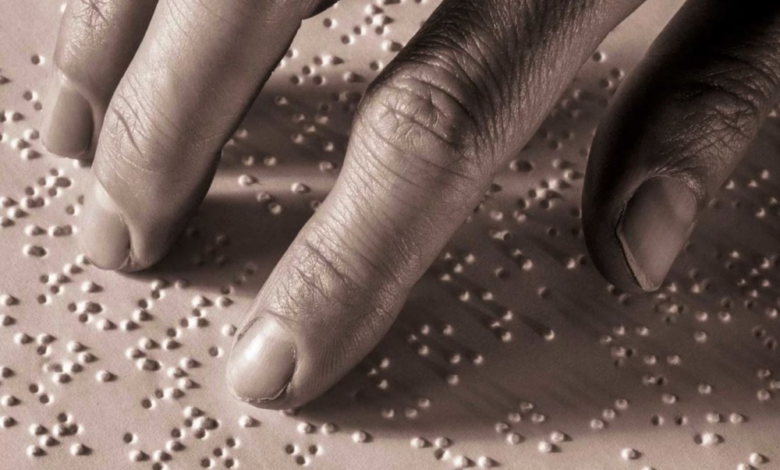
The regulations granted schools considerable flexibility in choosing appropriate assessment tools and methods, with a particular focus on students with disabilities. Precise mechanisms and procedures were established for assessing visually impaired students, ensuring a fair environment that considers individual differences, provides sufficient time and assistive devices, and upholds the principles of educational equity and equal opportunities for their full inclusion in the educational system.
Focus on basic skills and behavior
The new regulations emphasized the importance of foundational skills, stipulating proficiency in reading and writing as a prerequisite for first and second grade students to advance to the next stage. Regarding other educational aspects, a new breakdown of grades for behavior, attendance, and activities was adopted as follows:
- Student activities: 100 marks are allocated to each activity program that aims to develop values and skills.
- Attendance: 100 marks are allocated for student attendance for each academic period.
- Behavior: The grades are divided into 80% for positive behavior and 20% for outstanding behavior, to encourage moral excellence.
Educational experts believe that these updates will contribute to raising the efficiency of the education system, as the final exams are conducted in the last week of study within the usual school day, which enhances organization and reduces waste in educational time.