Students return to schools: Absences monitored via the Noor system and the code of conduct is applied

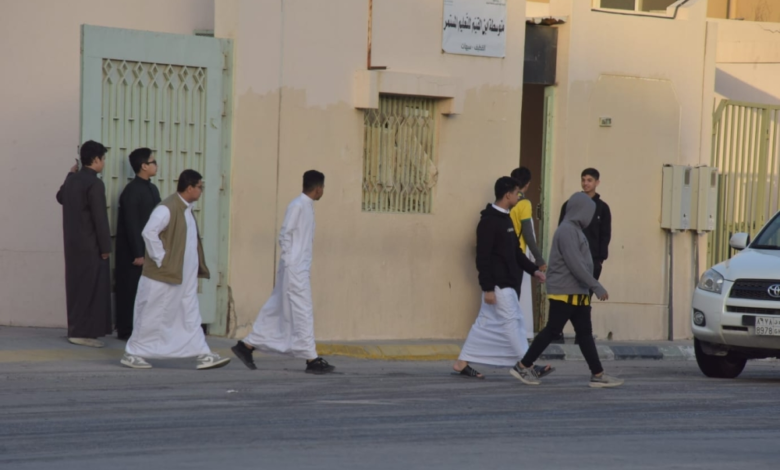
Saudi Arabia's schools welcomed over six million students this morning, Sunday, across all levels of public, private, and community education, marking the start of the second semester after a short one-week break. This return to school signals the beginning of a new academic year spanning approximately 19 weeks, amidst extensive preparations by the Ministry of Education to ensure the smooth operation of the educational process according to the approved plans.
Immediate activation of the "Noor" system and strict application of the code of conduct
In its efforts to regulate the educational process, the Ministry of Education has directed all educational departments and schools to activate attendance and absence tracking from the first period of the first day of school. The Ministry emphasized the use of the "Noor" electronic system as the primary tool for accurately documenting absences, stressing that there will be no leniency in applying the code of conduct and attendance regulations to students absent without a valid excuse.
The Noor system is one of the most prominent outcomes of the digital transformation in the Saudi education sector, connecting all stakeholders in the educational process (students, teachers, parents, and administration) on a unified platform. The new directives require school leaders to immediately notify parents via text message and other available means whenever an absence is detected, explaining the negative impact on the student's academic performance and cumulative grade point average.
Academic calendar and consideration of national and religious holidays
The second semester of this academic year features a schedule that balances school days with extended breaks, including three main holidays designed to rejuvenate students. These holidays begin with the anniversary of "Founding Day," a national occasion that fosters a sense of historical belonging among young people, followed by the Eid al-Fitr holiday, and culminating in the Eid al-Adha holiday, which will mark the end of the academic year.
In a related context, the academic calendar is of great importance in organizing the life of the Saudi family, as the working hours for the holy month of Ramadan have been approved in advance within the summer and winter time plan, which allows families to arrange their social and religious obligations in accordance with the academic requirements of their children.
Geographical exceptions to serve the guests of God
In a move reflecting the integration of various government sectors, the Ministry of Education has approved an exceptional schedule for the Eid al-Adha holiday in areas experiencing high traffic congestion during the Hajj season, namely: Mecca, Medina, Jeddah, and Taif. This adjustment to the start and end dates of classes and exams aims to alleviate traffic and logistical pressure in these holy cities and their access points.
This decision carries important organizational and societal dimensions, as it opens the door for human resources and students who wish to participate in volunteer work and serve the guests of God during the Hajj season, which enhances the values of giving and social responsibility, and ensures the smooth flow of services provided to pilgrims and Umrah performers in line with the objectives of the Kingdom’s Vision 2030 in enriching the visitor experience.