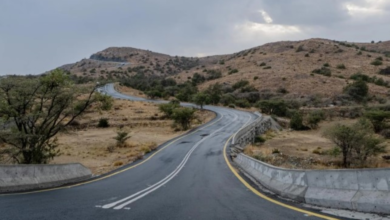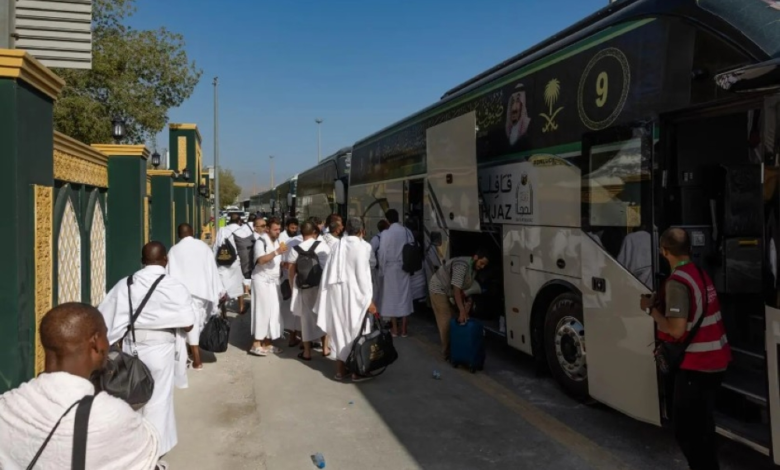

أعلنت وزارة الشؤون الإسلامية والدعوة والإرشاد عن نجاح باهر لعملية نفرة ضيوف برنامج خادم الحرمين الشريفين للحج والعمرة والزيارة، الذين يمثلون (104) دول من مختلف أنحاء العالم، وذلك بانتقالهم السلس والمنظم من صعيد عرفات الطاهر إلى مشعر مزدلفة. هذا الإنجاز يعكس التزام المملكة العربية السعودية الراسخ بتقديم أرقى مستويات الخدمة والرعاية لضيوف الرحمن، تنفيذاً لتوجيهات القيادة الرشيدة.
يُعد برنامج خادم الحرمين الشريفين للحج والعمرة والزيارة مبادرة ملكية كريمة تهدف إلى استضافة آلاف المسلمين من مختلف الجنسيات سنوياً لأداء فريضة الحج أو العمرة. بدأت هذه المبادرة في عهد الملك فهد بن عبدالعزيز -رحمه الله-، واستمرت وتطورت في عهود الملوك اللاحقين، وصولاً إلى عهد خادم الحرمين الشريفين الملك سلمان بن عبدالعزيز وسمو ولي عهده الأمين الأمير محمد بن سلمان -حفظهما الله-. يجسد البرنامج أسمى معاني التضامن الإسلامي، ويعزز دور المملكة الريادي في خدمة الإسلام والمسلمين حول العالم، من خلال استضافة شخصيات إسلامية بارزة، علماء، دعاة، ومسلمين من ذوي الاحتياجات الخاصة أو المناطق المتضررة.
تُعد مناسك الحج رحلة روحانية عظيمة، تبدأ بالوقوف على صعيد عرفات، وهو الركن الأعظم للحج، حيث يتضرع الحجاج إلى الله بالدعاء والتوبة. ومع غروب شمس اليوم التاسع من ذي الحجة، تبدأ عملية النفرة إلى مشعر مزدلفة، حيث يبيت الحجاج ويجمعون الحصى استعداداً لرمي الجمرات في منى. هذه المراحل تتطلب تنسيقاً لوجستياً هائلاً لضمان سلامة وراحة ملايين الحجاج.
وفي هذا السياق، غادر ضيوف البرنامج مشعر عرفات مع غروب شمس يوم عرفة، ضمن خطة تنظيمية دقيقة ومحكمة. اعتمدت هذه الخطة على أسطول من الحافلات الحديثة المجهزة بأحدث التقنيات، بالإضافة إلى استخدام أنظمة متطورة لإدارة الحشود وتوجيهها. وقد ساهم ذلك في ضمان انسيابية الحركة وتسهيل عملية انتقالهم بين المشاعر المقدسة بكل يسر وطمأنينة، بعيداً عن أي ازدحام أو صعوبات.
فور وصولهم إلى مشعر مزدلفة، أدى الضيوف صلاتي المغرب والعشاء جمعاً وقصراً، اقتداءً بسنة النبي محمد صلى الله عليه وسلم. بعد ذلك، بدأوا في التقاط الجمار اللازمة لرمي جمرة العقبة الكبرى في اليوم العاشر من ذي الحجة، ثم جمرات الأيام التالية في مشعر منى. وقد تم توفير كافة الخدمات الضرورية لهم في مواقع مبيتهم بمزدلفة، بما في ذلك الخدمات الصحية المتكاملة، والإرشاد الديني المستمر، وخدمات التموين التي تشمل الوجبات والمياه، لضمان راحتهم واستعدادهم للمرحلة التالية من المناسك.
أعرب العديد من ضيوف برنامج خادم الحرمين الشريفين عن عميق شكرهم وتقديرهم لخادم الحرمين الشريفين وسمو ولي العهد -حفظهما الله- على هذه الرعاية الفائقة والخدمات المتميزة. وأكدوا أن هذه الجهود الجبارة أسهمت بشكل مباشر في تمكينهم من أداء مناسك الحج بكل راحة وطمأنينة وخشوع، مما ترك في نفوسهم أثراً لا ينسى وتجربة إيمانية فريدة.
إن نجاح هذه النفرة يبرز الكفاءة العالية للمؤسسات السعودية المعنية بإدارة الحج، ويعزز مكانة المملكة كقلب للعالم الإسلامي وراعية للحرمين الشريفين. كما يؤكد على التزامها المستمر بتطوير الخدمات والبنى التحتية لضمان تجربة حج آمنة وميسرة لملايين المسلمين من شتى بقاع الأرض، مما يعكس الأثر الإيجابي لهذه الجهود على المستوى المحلي والدولي، ويعزز الوحدة والتآخي بين المسلمين.