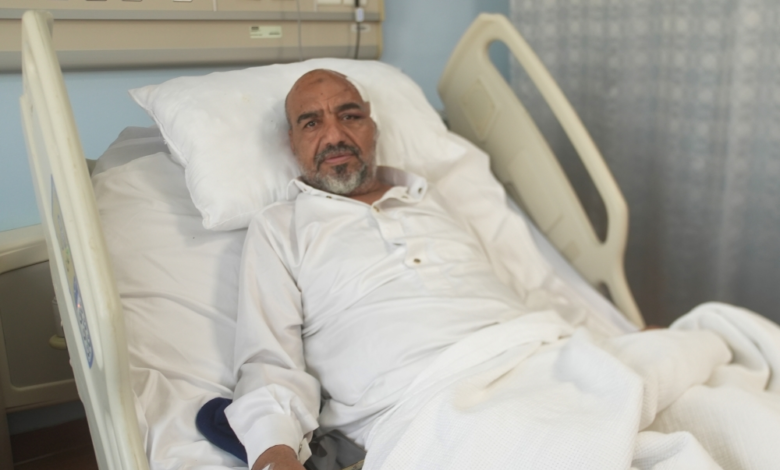

في إنجاز طبي لافت يعكس مدى التطور والجاهزية العالية للقطاع الصحي السعودي خلال موسم الحج، نجح فريق طبي متخصص في مركز العلوم العصبية بمدينة الملك عبدالله الطبية في مكة المكرمة، عضو تجمع مكة المكرمة الصحي، في إجراء عملية جراحية معقدة تم خلالها استئصال ورم دماغي كبير لحاج من الجنسية اليمنية. وقد شكلت هذه العملية تحديًا كبيرًا نظرًا لموقع الورم الحساس وتأثيره المباشر على المراكز الحيوية في الدماغ.
وصل الحاج إلى المدينة الطبية وهو يعاني من أعراض مقلقة تمثلت في صداع متكرر وشديد، مصحوب باضطراب في القدرة على الكلام، وتشوّش ذهني، بالإضافة إلى ضعف ملحوظ في الذاكرة قصيرة المدى. هذه الأعراض استدعت تدخلاً طبياً عاجلاً وتقييماً دقيقاً للحالة.
رعاية صحية متكاملة لضيوف الرحمن
تأتي هذه العملية النوعية ضمن منظومة الخدمات الصحية المتكاملة التي تسخرها المملكة العربية السعودية لخدمة ضيوف الرحمن كل عام. فموسم الحج لا يمثل تحديًا لوجستيًا وأمنيًا فحسب، بل يمثل أيضًا استنفارًا طبيًا على أعلى المستويات. تستثمر الحكومة السعودية بشكل كبير في تجهيز المستشفيات والمراكز الطبية في المشاعر المقدسة بأحدث التقنيات والكوادر البشرية المؤهلة للتعامل مع كافة الحالات الطبية، من البسيطة إلى الأكثر تعقيدًا، وتقديمها مجانًا لجميع الحجاج. هذا الالتزام التاريخي يعكس الدور الإنساني والريادي للمملكة في رعاية الحجاج وضمان سلامتهم الصحية ليتمكنوا من أداء مناسكهم بطمأنينة ويسر.
تفاصيل دقيقة لعملية استئصال ورم دماغي
بعد إجراء الفحوصات اللازمة والأشعة التشخيصية المتقدمة، تبين وجود ورم كبير في الفص الصدغي الأيسر من الدماغ، بأبعاد بلغت حوالي 4.8 × 4.5 × 4 سم. وكان الورم يقع في منطقة حساسة للغاية مسؤولة عن فهم اللغة والكلام والتواصل. كما أظهرت الأشعة وجود وذمة دماغية شديدة (تورم) وانحراف في خط المنتصف بالدماغ، وهي مؤشرات خطيرة على وجود فتق دماغي وشيك قد يهدد حياة المريض. بناءً على هذا التقييم، قرر الفريق الطبي متعدد التخصصات ضرورة إجراء تدخل جراحي عاجل لإنقاذ حياة الحاج والحفاظ على وظائف الدماغ الحيوية.
تدخل جراحي ناجح ومتابعة دقيقة
أُجريت العملية الجراحية الدقيقة التي تضمنت فتح الجمجمة والوصول إلى الورم، حيث تمكن الفريق الجراحي بفضل الله من استئصاله بالكامل مع المحافظة على سلامة المراكز العصبية الحيوية المحيطة به. تكللت العملية بالنجاح التام، وأظهرت المتابعة السريرية بعد الجراحة تحسنًا ملحوظًا في حالة المريض الصحية. استعاد الحاج قدرته على فهم الحديث والتواصل بشكل أفضل بكثير مقارنة بحالته قبل العملية، دون تسجيل أي مضاعفات عصبية أو حركية جديدة. وأكدت الأشعة اللاحقة نجاح الاستئصال واستقرار الحالة، مما يعكس الكفاءة العالية والخبرة المتميزة التي يتمتع بها مركز العلوم العصبية في التعامل مع الحالات الحرجة والمعقدة، خاصة خلال موسم الحج الذي يتطلب أعلى درجات الجاهزية.