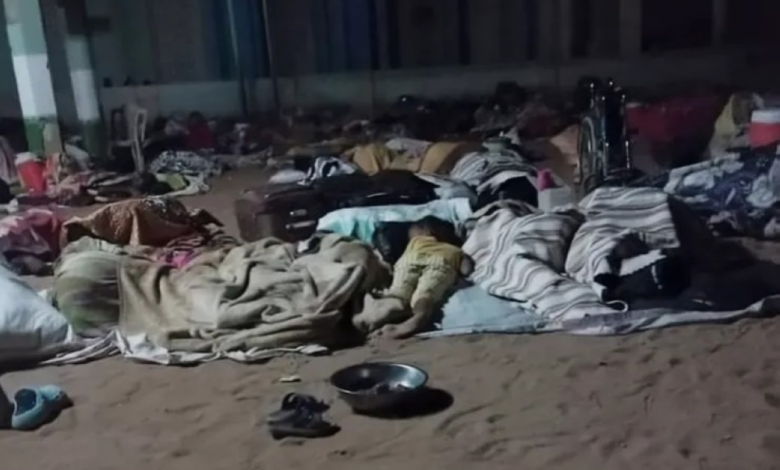

The chapters of human suffering in Sudan continued with the continuation of military operations, as field and UN reports directly accused the Rapid Support Forces of escalating their attacks against civilian targets, this time targeting the Al-Kuweik military hospital and relief convoys belonging to the World Food Programme, in addition to buses carrying displaced civilians fleeing the ravages of war.
These attacks, described by human rights organizations as "criminal," resulted in the deaths of more than 34 civilians, including women and children, in the states of North and South Kordofan. These developments are the latest in a series of violations targeting infrastructure and health facilities, further complicating the situation in Sudan and increasing the human toll.
Background of the conflict and repercussions of targeting infrastructure
Since the outbreak of conflict in mid-April 2023, Sudan has been experiencing the worst humanitarian crisis in its modern history. The fighting has not been limited to military targets, but has extended to the destruction of residential areas, the burning of villages, and the looting of property. Observers note that targeting hospitals and aid convoys constitutes a flagrant violation of international humanitarian law and threatens the complete collapse of the health system, most of whose facilities are already out of service.
UN statistics indicate that millions of Sudanese are in dire need of food and medical assistance, while military attacks are hindering the access of international organizations to the most affected areas, raising the risk of famine that now threatens large segments of the population.
External role and fueling the conflict
In a related context, the reports cited in the news article indicated an external role contributing to the prolongation of the war, pointing the finger at the United Arab Emirates for providing military and logistical support to the Rapid Support Forces. According to the sources, the influx of weapons and foreign mercenaries is a major reason for the continuation of hostilities and the obstruction of political solutions.
Analysts believe that foreign interventions in Sudanese affairs only complicate the crisis, as continued support for armed groups enables them to continue fighting instead of engaging seriously in peace negotiations, turning civilians into fuel for a conflict driven by foreign agendas.
The Saudi position and the Jeddah Declaration
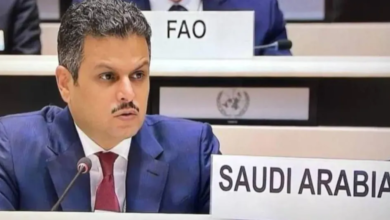
For its part, the Kingdom of Saudi Arabia reiterated its commitment to preserving Sudan's unity, security, and stability, and its categorical rejection of foreign interference that fuels discord. The Kingdom stressed the importance of all parties adhering to the Jeddah Declaration signed in May 2023, which explicitly stipulates the commitment to protecting civilians and ensuring the delivery of humanitarian aid.
Regional and international calls continue for an immediate end to the violations, for civilians to be kept out of the conflict, and for a political solution to be found that guarantees the restoration of legitimate state institutions and puts an end to this escalating humanitarian catastrophe.