The Sudanese government: Our priority is ending the war and stopping the famine

The Sudanese government has reaffirmed its strong commitment to ending the ongoing war in the country, placing at the forefront of its priorities the alleviation of the suffering of its citizens and the cessation of the policy of starvation that has been exacerbated by the continued conflict. This stance comes at a time when the country is facing a critical juncture on all humanitarian and security fronts.
The humanitarian crisis is worsening and the risk of famine is increasing
Since the outbreak of clashes, Sudan has been experiencing an unprecedented humanitarian crisis, with numerous international and UN organizations warning of the risk of famine threatening millions of Sudanese. According to Sudanese officials, the government is working to remove obstacles to the delivery of humanitarian aid, emphasizing that the use of food as a weapon of war is an unforgivable crime. Local and international calls are growing for the establishment of safe corridors to ensure the delivery of food and medicine to besieged areas affected by military operations.
Background of the conflict and its repercussions
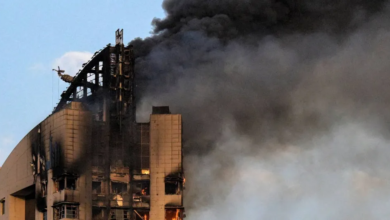
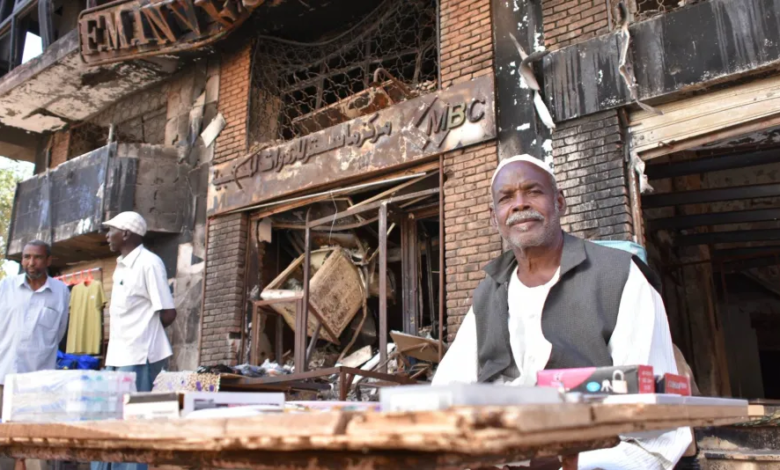
The roots of the current crisis can be traced back to April 15, 2023, when military clashes erupted between the Sudanese Armed Forces and the Rapid Support Forces. This conflict led to widespread destruction of infrastructure, disruption of essential services, and a standstill of the economy, exacerbating the suffering of ordinary Sudanese citizens. The damage was not limited to the material realm; it extended to the social fabric, triggering waves of displacement and refuge unprecedented in modern Sudanese history.
Regional and international influences
The impact of the war in Sudan is not limited to the country itself, but extends to pose a threat to the stability of the entire region. Neighboring countries such as Egypt, Chad, South Sudan, and Ethiopia have received hundreds of thousands of refugees, placing significant economic and security strain on these nations. The international community recognizes that continued chaos in Sudan could transform it into a breeding ground for extremist groups and illegal immigration, necessitating concerted international efforts to support legitimate state institutions and push for a ceasefire.
Peace efforts and proposed solutions
Despite the ferocity of the fighting, the door remains ajar for diplomatic solutions, as the Sudanese government insists on the implementation of the Jeddah Agreement, which stipulates the withdrawal of rebel forces from civilian areas and citizens' homes. The government believes that ending the war requires more than just a ceasefire; it necessitates restoring the state's authority and the rule of law, and ensuring that such violations are not repeated in the future, thus guaranteeing the Sudanese people's right to a dignified life and food security.