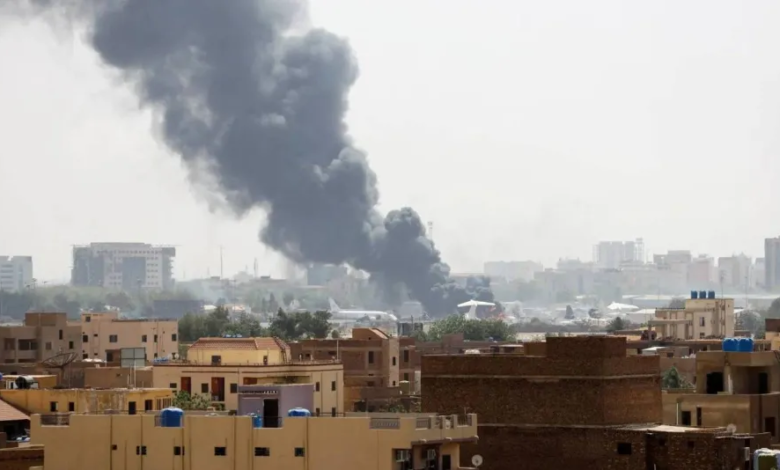

أعلنت القوات المسلحة السودانية في تطور أمني لافت عن تمكن دفاعاتها الجوية من اعتراض وإسقاط طائرة مسيرة (بدون طيار) اخترقت المجال الجوي السوداني قادمة من الأراضي الإثيوبية. يأتي هذا الحادث في وقت تشهد فيه المنطقة توترات أمنية متزايدة، مما يضع القوات المرابطة على الحدود الشرقية في حالة تأهب قصوى للتعامل مع أي تهديدات محتملة تمس السيادة الوطنية.
تفاصيل الحادثة والرد العسكري السوداني
بحسب المعطيات الميدانية، رصدت أنظمة المراقبة التابعة للجيش السوداني تحليقاً غير مصرح به لجسم طائر اجتاز الحدود الدولية بين السودان وإثيوبيا. وعلى الفور، تعاملت المضادات الأرضية مع الهدف وتمكنت من إسقاط المسيّرة قبل أن تنفذ أي مهام استطلاعية أو هجومية داخل العمق السوداني. وتجري الجهات العسكرية المختصة حالياً عمليات فحص لحطام الطائرة لتحديد طرازها، والجهة الدقيقة التي قامت بتسييرها، وما إذا كانت تحمل أي معدات تجسس أو متفجرات، وذلك لتقييم حجم التهديد الأمني واتخاذ التدابير اللازمة.
السياق العام والخلفية التاريخية للتوترات الحدودية
لا يمكن قراءة هذا التطور بمعزل عن السياق التاريخي المعقد للعلاقات السودانية الإثيوبية، وتحديداً النزاع الحدودي حول منطقة “الفشقة” الزراعية الخصبة. تعود جذور هذه الأزمة إلى معاهدات ترسيم الحدود في عام 1902، ورغم اعتراف إثيوبيا الرسمي بتبعية المنطقة للسودان، إلا أن مزارعين إثيوبيين مدعومين بميليشيات مسلحة استغلوا هذه الأراضي لعقود. وفي أواخر عام 2020، أعاد الجيش السوداني نشر قواته واستعاد السيطرة على مساحات واسعة من الفشقة، مما أدى إلى اندلاع اشتباكات مسلحة متقطعة وتصاعد في الخطاب الدبلوماسي بين الخرطوم وأديس أبابا. هذا التاريخ المليء بالاحتقان يجعل من أي اختراق جوي أو بري شرارة قد تعيد إشعال التوتر في المنطقة.
تأثير الأزمة الداخلية السودانية على أمن الحدود
تتضاعف أهمية هذا الحدث بالنظر إلى الظروف الاستثنائية التي يمر بها السودان حالياً. فمنذ منتصف أبريل 2023، يخوض الجيش السوداني صراعاً مسلحاً واسع النطاق ضد قوات الدعم السريع. هذا الصراع الداخلي دفع القيادة العسكرية إلى تشديد الرقابة على كافة المنافذ الحدودية لمنع أي تدخلات خارجية، أو عمليات تهريب للأسلحة والمقاتلين قد تساهم في إطالة أمد الحرب. إن إسقاط المسيّرة يبعث برسالة واضحة مفادها أن القوات المسلحة، رغم انشغالها بالعمليات العسكرية الداخلية، لا تزال تحتفظ بقدراتها الدفاعية لحماية الحدود الدولية من أي اختراقات.
الأهمية والتأثير المتوقع (محلياً، إقليمياً، ودولياً)
على الصعيد المحلي: يعزز هذا الإعلان من الروح المعنوية للجيش السوداني ويؤكد قدرته على حماية سيادة البلاد الجوية والبرية، كما يطمئن المواطنين في الولايات الشرقية المتاخمة للحدود بوجود يقظة عسكرية تامة.
على الصعيد الإقليمي: تقع منطقة القرن الإفريقي على صفيح ساخن، وأي تصعيد عسكري بين السودان وإثيوبيا قد يلقي بظلاله على أمن البحر الأحمر والدول المجاورة مثل إريتريا ومصر وجنوب السودان. كما أن هذا الحادث قد يؤثر على مسار العلاقات الدبلوماسية بين البلدين، والتي شهدت محاولات للتهدئة في الفترات الماضية.
على الصعيد الدولي: يراقب المجتمع الدولي، بما في ذلك الأمم المتحدة والاتحاد الإفريقي والهيئة الحكومية للتنمية (إيغاد)، التطورات في السودان بقلق بالغ. إن دخول طائرات مسيرة مجهولة التبعية إلى مسرح الأحداث يثير مخاوف من تحول الصراع إلى حرب بالوكالة تتدخل فيها أطراف إقليمية ودولية. ومن المتوقع أن تدعو المنظمات الدولية كلا البلدين إلى ضبط النفس وتفعيل آليات المراقبة الحدودية المشتركة لتجنب أي انزلاق نحو مواجهة شاملة.