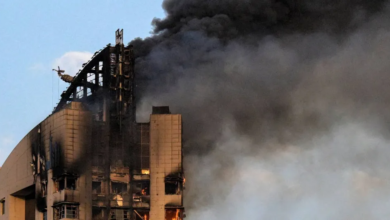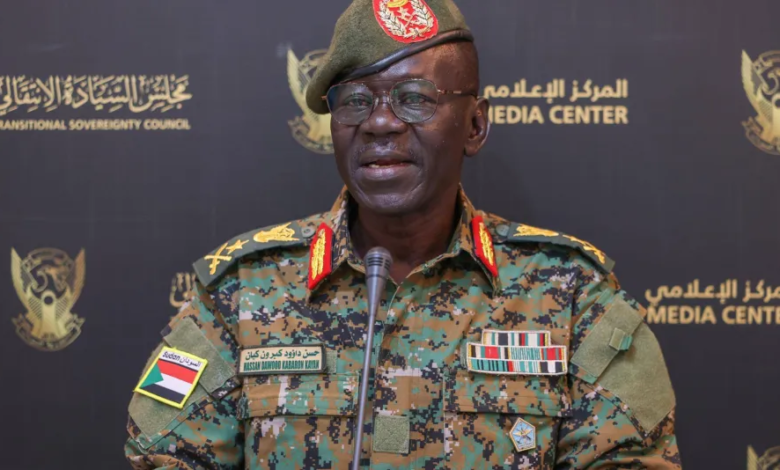

أكد وزير الدفاع السوداني، في تصريحات حديثة، أن القوات المسلحة السودانية باتت قريبة من تحقيق نصر حاسم على قوات «الدعم السريع»، مشيراً إلى أن هذه «الهزيمة الوشيكة» ستكون بمثابة حجر الزاوية لإعادة فتح الباب أمام عملية انتقال سياسي مستقرة في البلاد. وتأتي هذه التصريحات في وقت تشهد فيه الساحة السودانية تطورات ميدانية متسارعة، حيث تسعى المؤسسة العسكرية لتأكيد سيطرتها واستعادة الأمن كشرط مسبق لأي ترتيبات سياسية مستقبلية.
خلفية الصراع وتعطل المسار الديمقراطي
لفهم أبعاد هذا التصريح، يجب العودة إلى جذور الأزمة التي اندلعت في منتصف أبريل 2023، حين تحول التوتر السياسي بين الجيش بقيادة الفريق أول عبد الفتاح البرهان، وقوات الدعم السريع بقيادة محمد حمدان دقلو (حميدتي)، إلى مواجهات عسكرية دامية. قبل اندلاع الحرب، كان السودان يسير ببطء نحو توقيع اتفاق إطاري يهدف لتسليم السلطة للمدنيين وإنهاء الحكم العسكري الذي تلا الإطاحة بنظام عمر البشير. إلا أن دوي المدافع أوقف كافة العمليات السياسية، وأدخل البلاد في نفق مظلم من العنف، مما جعل الحديث عن الانتقال السياسي مؤجلاً لحين حسم الموقف العسكري.
الأهمية الاستراتيجية والرسائل السياسية
يحمل تصريح وزير الدفاع دلالات عميقة تتجاوز البعد العسكري؛ فهو يرسل رسائل طمأنة للقوى السياسية المدنية وللمجتمع الدولي بأن المؤسسة العسكرية لا تنوي الاستمرار في الحكم إلى الأبد، بل تربط وجودها في السلطة بإنهاء التمرد واستعادة هيبة الدولة. ويرى مراقبون أن ربط «الهزيمة الوشيكة» بالانتقال السياسي هو محاولة لقطع الطريق أمام أي مبادرات خارجية قد تساوي بين طرفي النزاع، وتأكيد على شرعية الجيش كمؤسسة وطنية وحيدة مخولة بحماية الدستور والتمهيد للانتخابات.
التداعيات الإنسانية والإقليمية
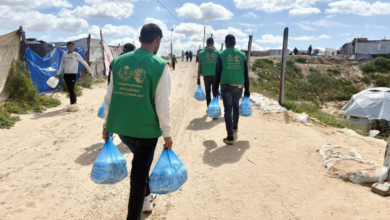
لا يمكن فصل هذا التفاؤل العسكري عن الواقع الإنساني المرير الذي يعيشه السودان. فقد تسببت الحرب في واحدة من أكبر أزمات النزوح في العالم، حيث فر ملايين السودانيين من منازلهم سواء إلى ولايات أكثر أمناً أو إلى دول الجوار مثل مصر وتشاد وجنوب السودان. إن تحقيق الاستقرار العسكري وإنهاء وجود الميليشيات داخل المدن يعد شرطاً أساسياً لعودة هؤلاء النازحين، ولضمان وصول المساعدات الإنسانية التي تعطلت كثيراً بسبب القتال. وعلاوة على ذلك، يترقب المجتمع الدولي والإقليمي نهاية هذا الصراع، نظراً لتأثيراته المباشرة على أمن منطقة القرن الأفريقي والبحر الأحمر، حيث يُنظر إلى استعادة الدولة السودانية لتماسكها كضرورة ملحة للأمن والسلم الدوليين.
وفي الختام، يبقى الرهان على قدرة الجيش السوداني في ترجمة التقدم الميداني إلى واقع سياسي ملموس يعيد للسودان مساره الديمقراطي ويطوي صفحة الحرب التي أرهقت كاهل المواطن والدولة على حد سواء.