
جهود المملكة في خدمة حجاج السودان ضمن برنامج ضيوف خادم الحرمين
أبدى عدد كبير من حجاج جمهورية السودان، القادمين ضمن برنامج ضيوف خادم الحرمين الشريفين الملك سلمان بن عبدالعزيز آل سعود للحج والعمرة والزيارة، إعجابهم العميق بالخدمات الجليلة التي تقدمها اللجان الشرعية في مقار سكنهم بمكة المكرمة. ويأتي هؤلاء الحجاج، الذين يمثلون أسر وذوي شهداء عمليتي “عاصفة الحزم” و”إعادة الأمل”، ليجسدوا عمق الروابط الأخوية والتاريخية التي تجمع بين المملكة العربية السعودية وجمهورية السودان، وتقديراً للتضحيات الكبيرة التي قدموها.
السياق التاريخي لبرنامج الاستضافة وأهميته الإقليمية
يعتبر برنامج ضيوف خادم الحرمين الشريفين، الذي تشرف على تنفيذه وزارة الشؤون الإسلامية والدعوة والإرشاد، امتداداً للرعاية الكريمة التي توليها قيادة المملكة للإسلام والمسلمين في شتى بقاع الأرض. وتبرز أهمية هذا الحدث في كونه تكريماً خاصاً لأسر الشهداء الذين قدموا أرواحهم فداءً للدفاع عن العقيدة والوطن ضمن التحالف العربي. على الصعيدين الإقليمي والدولي، يعكس هذا البرنامج الدور الريادي للمملكة في تعزيز التضامن الإسلامي، وتقديم نموذج يحتذى به في الرعاية المتكاملة لضيوف الرحمن، مما يترك أثراً إيجابياً عميقاً في نفوس الحجاج ومجتمعاتهم عند عودتهم إلى بلادهم.
اللجان الشرعية: منارات للتوجيه ونشر الوسطية
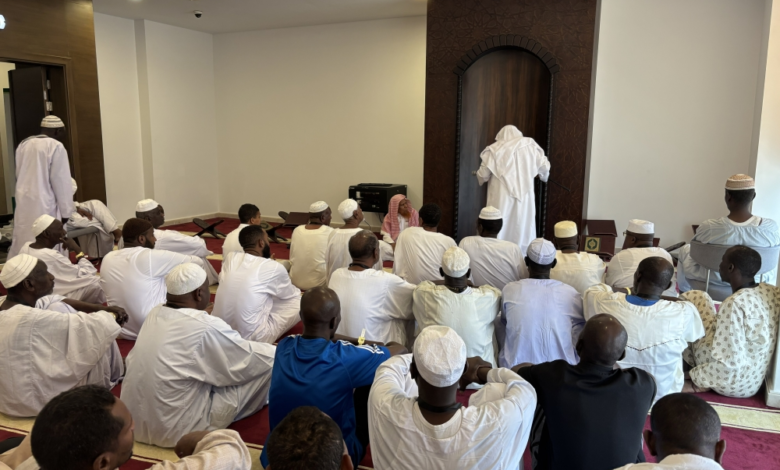
تلعب اللجان الشرعية دوراً محورياً يتجاوز مجرد الإجابة عن الاستفسارات الفقهية؛ فهي تعمل كمنارات حقيقية للتثقيف والتوجيه. وتقوم هذه اللجان بتنظيم ملتقيات يومية داخل مصليات الفنادق، حيث يتم إلقاء الدروس والكلمات الوعظية التي تشرح أحكام المناسك وآداب الحج. كما تركز هذه الدروس على غرس قيم الوسطية والاعتدال والتسامح التي يحث عليها الدين الإسلامي الحنيف. هذا الجهد الدؤوب يعزز من وعي حجاج السودان، ويمنحهم الطمأنينة اللازمة لأداء الشعائر بكل يسر وسهولة، في إطار العناية الكبيرة التي تقدمها المملكة.
المصلى: ملتقى لسكينة الأفئدة والتعارف الأخوي
بإطلالته الساحرة على ساعة مكة المكرمة وسفوح جبل السيدة التاريخي، تحول مصلى الفندق الذي يقيم فيه حجاج السودان إلى أكثر من مجرد مساحة لأداء الصلوات الخمس. لقد أصبح مظلة إيمانية تنبض بالسكينة، وملتقى للتعارف والأخوة الإسلامية. وقبل أن يرتفع أذان الصلوات من مآذن المسجد الحرام القريبة، يتوافد الحجاج السودانيون بلباسهم التقليدي الأصيل، لتمتزج روحانية المكان بقدسيته مع همسات الدعاء والذكر. هناك، تتلاقى القصص السودانية القادمة من قلب الأرياف والقرى والمدن، لتشكل لوحة إنسانية فريدة تعكس تنوع وثراء الثقافة الإسلامية.
أجواء روحانية في ليالي ذي الحجة المباركة
تتجلى المشاهد الأكثر تأثيراً في الساعات الأخيرة من ليالي عشر ذي الحجة المباركة. فبينما يلف السكون أروقة الفندق، يبقى المصلى مضاءً بأفئدة حجاج السودان من الجنسين. تتعالى أصوات تلاوة القرآن الكريم، وترتفع أكف الضراعة بالدعاء للمولى عز وجل، في مشهد مفعم بالإيمان يعكس دور العبادة في صناعة الوعي وتهذيب السلوك. إن هذه الأجواء الروحانية تمنح روح التآلف والتعاون، وتخفف عن الحجاج وعثاء السفر، وتقربهم من مقاصد الحج الكبرى، ليعودوا إلى أوطانهم بقلوب صافية وأرواح متجددة من مهبط الوحي ومنطلق الرسالة.