
يواجه آلاف السودانيين المقيمين في مصر تحديات جمة تحول دون عودتهم إلى وطنهم للاحتفال بعيد الأضحى المبارك، أو أي مناسبة عائلية أخرى، في ظل ظروف النزاع الراهنة. تتفاقم هذه الصعوبات بشكل خاص بسبب تكدس المعابر الحدودية بين البلدين وارتفاع التكاليف الباهظة للسفر، مما يحرم الكثيرين من فرصة لم الشمل مع ذويهم في هذه الأوقات العصيبة.
تعود جذور هذه الأزمة الإنسانية إلى اندلاع الصراع المسلح في السودان في أبريل 2023 بين القوات المسلحة السودانية وقوات الدعم السريع. هذا الصراع الدامي أدى إلى موجات نزوح جماعية غير مسبوقة، حيث فر ملايين السودانيين من منازلهم بحثًا عن الأمان. استقبلت مصر، كدولة جوار رئيسية، أعدادًا هائلة من هؤلاء النازحين، الذين تجاوز عددهم مئات الآلاف، مقدمة لهم ملاذًا مؤقتًا من ويلات الحرب. يعيش هؤلاء اللاجئون والنازحون في مصر على أمل العودة إلى ديارهم متى سنحت الظروف، لكن الواقع على الأرض يفرض تحديات كبيرة.
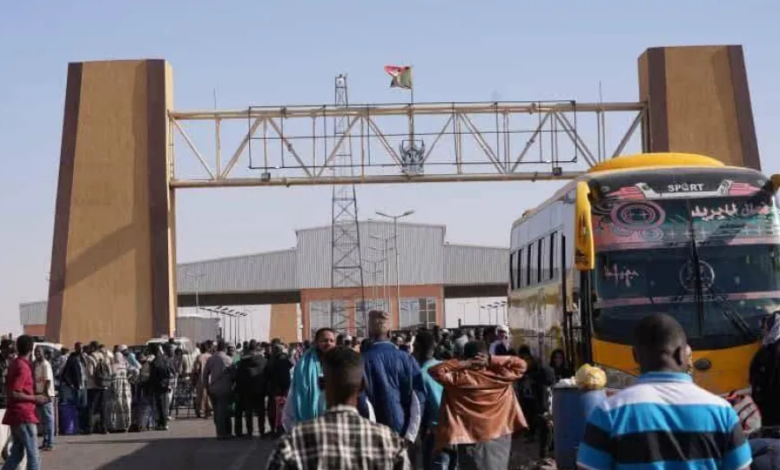
تُعد المعابر الحدودية الرئيسية بين مصر والسودان، مثل معبري أرقين وقسطل، نقاط اختناق رئيسية. يشهد هذان المعبران تكدسًا هائلاً للمسافرين، خاصة في أوقات الذروة مثل الأعياد. يضطر المسافرون إلى الانتظار لساعات طويلة، وأحيانًا لأيام، في ظروف صعبة تفتقر إلى الخدمات الأساسية الكافية. تتضمن هذه التحديات الإجراءات البيروقراطية المعقدة، والبطء في إنهاء إجراءات الدخول والخروج، بالإضافة إلى الازدحام الشديد الذي يزيد من معاناة الفئات الأكثر ضعفًا مثل النساء والأطفال وكبار السن والمرضى.
إلى جانب التكدس، يمثل الارتفاع الجنوني لتكاليف السفر عائقًا كبيرًا آخر. فأسعار تذاكر الحافلات والنقل الخاص ارتفعت بشكل كبير منذ بدء الأزمة، مستغلة حاجة الناس الماسة للتنقل. يضاف إلى ذلك تكاليف الإقامة المؤقتة بالقرب من الحدود، وتكاليف الطعام والشراب خلال فترات الانتظار الطويلة. هذه الأعباء المالية تثقل كاهل الأسر السودانية التي فقدت مصادر دخلها في السودان وتعتمد غالبًا على المساعدات أو فرص العمل الشحيحة في مصر. بالنسبة للكثيرين، أصبحت تكلفة الرحلة ذهابًا وإيابًا تفوق قدرتهم المالية بكثير، مما يجعل فكرة العودة للاحتفال بالعيد مجرد حلم بعيد المنال.
تحمل الأعياد، وخاصة عيد الأضحى، أهمية دينية واجتماعية عميقة في الثقافة السودانية. إنها مناسبة للتجمع العائلي، وتبادل التهاني، وتجديد الروابط الاجتماعية. في ظل ظروف النزاع والنزوح، تزداد الرغبة في لم الشمل مع الأحباء، حيث يمثل العيد بصيص أمل وفرصة للنسيان المؤقت لمرارة الحرب. الحرمان من هذه الفرصة لا يسبب فقط إحباطًا عميقًا، بل يزيد من الضغط النفسي والعاطفي على الأفراد والأسر المشتتة.
إن استمرار هذه التحديات له تداعيات إنسانية واجتماعية واسعة النطاق. على المستوى المحلي، يزيد من الضغط على المجتمعات المضيفة في مصر ويضع عبئًا إضافيًا على المنظمات الإنسانية. إقليميًا، تسلط هذه الأزمة الضوء على الحاجة الملحة لإيجاد حلول مستدامة للصراع في السودان، وتسهيل حركة المدنيين الفارين من الحرب أو الراغبين في العودة. كما أنها تبرز أهمية التنسيق الإقليمي والدولي لتقديم الدعم اللازم للمتضررين وتخفيف معاناتهم.
في الختام، تبقى عودة السودانيين من مصر إلى وطنهم خلال الأعياد محفوفة بالصعوبات، حيث تتضافر عوامل التكدس وارتفاع التكاليف لتشكل حواجز لا يمكن للكثيرين تجاوزها. يتطلب هذا الوضع تدخلات عاجلة لتسهيل حركة الأفراد وتخفيف الأعباء المالية، لتمكين الأسر من لم الشمل واستعادة جزء من حياتها الطبيعية في ظل هذه الظروف الاستثنائية.