Sudan announces imminent takeover of Ain al-Assad base and weapons inventory

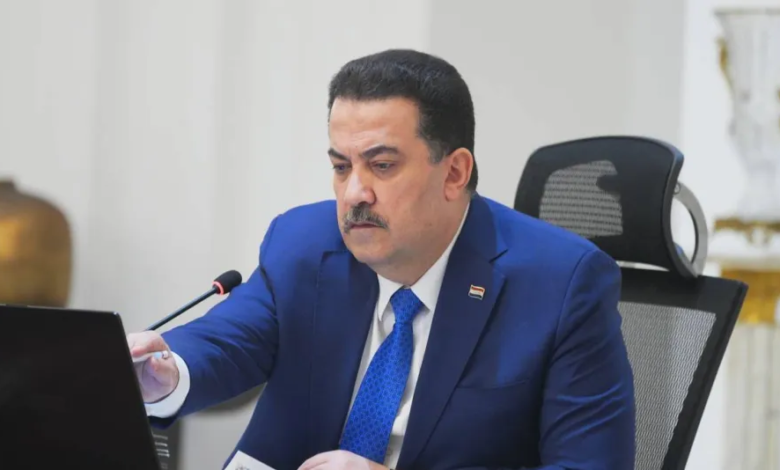
Iraqi Prime Minister Mohammed Shia al-Sudani affirmed that the government's steps to restrict weapons to the state are a fundamental pillar for establishing national sovereignty, while announcing that Iraqi forces will soon take full control of the Ain al-Asad airbase in the next few days, as part of the outcomes of the ongoing dialogue with the international coalition.
The importance of restricting weapons and establishing sovereignty
Al-Sudani's statement comes at a time when the Iraqi government is striving to enforce the rule of law and end the presence of armed groups outside the official military establishment. The issue of "weapons control" is one of the most complex challenges facing successive Iraqi governments since 2003, as it is directly linked to security and economic growth. The government views this issue not merely as a security measure, but as a political message affirming the state's ability to monopolize force and assert its authority, which in turn strengthens the confidence of the international community and investors in Iraq.
The shift in the relationship with the international coalition
In a related development, the announcement of the handover of Ain al-Asad Air Base in Anbar province represents a pivotal step in the process of ending the international coalition's mission in Iraq. For months, Baghdad and Washington have been engaged in intensive negotiations through the Higher Military Committee (HMC) to schedule the withdrawal of foreign forces and transition to sustainable bilateral security relations. Ain al-Asad is one of the largest strategic bases that hosted coalition forces and has long been a central hub in operations against ISIS. Its handover is therefore tangible evidence of the growing capabilities of Iraqi security forces and their readiness to assume full responsibility for security.
Strategic and regional dimensions
This event carries implications that extend beyond the local sphere. Regaining full control of the military bases reshapes Iraq's role in the region, as the country seeks to distance itself from regional conflicts and the settling of international scores on its soil. The government's success in managing the gradual and deliberate withdrawal reflects political maturity and an ability to balance national security requirements with international obligations, paving the way for a new phase of cooperation based on mutual respect and shared interests, free from direct combat military presence.