
تفاصيل إصابة سلطان الغنام وتصريحات ثامر الشهراني
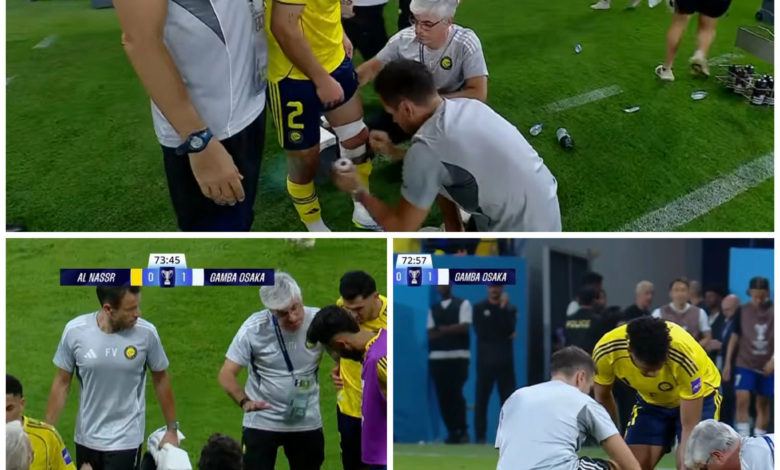
أثارت الإصابة التي تعرض لها النجم الدولي، حالة من القلق الواسع في الأوساط الرياضية، حيث أوضح أخصائي الإصابات الرياضية، ثامر الشهراني، تفاصيل دقيقة حول طبيعة إصابة سلطان الغنام. وأشار الشهراني إلى أن الطريقة التي سقط بها اللاعب خلال مشاركته في نهائي دوري أبطال آسيا تشير مبدئياً إلى احتمالية تعرضه لقطع في الرباط الصليبي الأمامي. وجاءت هذه التوقعات الطبية بناءً على التحليل الحركي للحظة الإصابة، والتي شهدت نزولاً خاطئاً وارتكازاً غير سليم على القدم، ترافق مع اندفاع قوي للركبة والساق نحو الأمام أثناء أحد الالتحامات القوية مع لاعبي الفريق المنافس.
خطورة الاستمرار في اللعب وتدخل الجهاز الطبي
وفي سياق متصل، سلط الشهراني الضوء على نقطة طبية بالغة الأهمية، وهي إكمال اللاعب للمباراة رغم قوة الإصابة. فقد استمر الغنام في اللعب بعد تدخل الجهاز الطبي الذي قام باستخدام الأربطة الضاغطة واللاصق الطبي لتثبيت الركبة عقب فحصه مبدئياً داخل أرضية الملعب. وأكد الأخصائي الرياضي أن هذا الإجراء يحمل مخاطرة كبيرة، مشدداً على أن هذا النوع من الإصابات المعقدة كان يستوجب اتخاذ قرار فوري بإخراج اللاعب من المستطيل الأخضر. ويهدف هذا الإجراء الاحترازي بالدرجة الأولى إلى حماية اللاعب وتجنب حدوث أي مضاعفات إضافية أو تمزقات أخرى في الأربطة والغضاريف داخل الركبة.
الخداع الطبي لإصابات الرباط الصليبي
وأضاف الشهراني معلومة طبية هامة لتوضيح الصورة للجماهير، مبيناً أن استمرار الغنام في اللقاء لا ينفي بأي حال من الأحوال خطورة الإصابة أو يستبعد فرضية القطع. وفسر ذلك بأن بعض حالات الإصابة بالرباط الصليبي الأمامي، وبفضل قوة العضلات المحيطة بالركبة وارتفاع هرمون الأدرينالين، يستطيع فيها اللاعب مواصلة الركض واللعب لفترة قصيرة. ولكن، سرعان ما تبدأ الأعراض الحقيقية بالظهور بشكل أوضح لاحقاً، مثل التورم الشديد، والألم الحاد، وعدم القدرة على ثني الركبة أو الارتكاز عليها.
تأثير الغياب المحتمل على الصعيدين المحلي والدولي
تكتسب هذه الإصابة أهمية بالغة نظراً للقيمة الفنية الكبيرة التي يمثلها اللاعب في مركزه كظهير أيمن. فعلى الصعيد المحلي والإقليمي، يعتبر غيابه ضربة موجعة لخطط فريقه، حيث يعتمد عليه المدرب بشكل أساسي في بناء الهجمات والتغطية الدفاعية، مما سيجبر الجهاز الفني على البحث عن بدائل تكتيكية لتعويض هذا النقص في الاستحقاقات القادمة. أما على الصعيد الدولي، فإن هناك مخاوف حقيقية ومتزايدة من أن تؤدي هذه الإصابة إلى غيابه عن المشاركة مع المنتخب الوطني في بطولة كأس العالم، وذلك في حال أثبتت الفحوصات الطبية النهائية وأشعة الرنين المغناطيسي دقة التشخيص المبدئي بوجود قطع كامل في الرباط.
السياق الطبي والتاريخي لإصابات الملاعب
تاريخياً، تعتبر إصابة الرباط الصليبي من أكثر الإصابات التي تهدد مسيرة لاعبي كرة القدم المحترفين، حيث تتطلب فترة علاج وتأهيل تتراوح عادة بين ستة إلى تسعة أشهر قبل العودة التدريجية للملاعب. وتبرز أهمية التعامل الطبي السليم في اللحظات الأولى من الإصابة كعامل حاسم في تحديد مدة التعافي وجودته. لذلك، تضع اللجان الطبية في الاتحادات القارية والدولية بروتوكولات صارمة للتعامل مع إصابات الركبة، مؤكدة على أولوية صحة اللاعب فوق أي اعتبارات تنافسية أخرى، وهو ما يتماشى مع التحذيرات التي أطلقها المختصون في حالة الغنام.