The Egyptian Sumed pipeline and its relation to the Strait of Hormuz: Strategic facts

Amidst the escalating geopolitical tensions that periodically grip the Arabian Gulf region, the vital waterways and global energy transport routes are once again under intense scrutiny. A recurring question arises regarding alternatives for ensuring the flow of oil should the Strait of Hormuz face any threats that might disrupt maritime traffic. Attention is now turning to Egypt's SUMED pipeline as one of the strategic options being considered.
The strategic importance of the Sumed pipeline
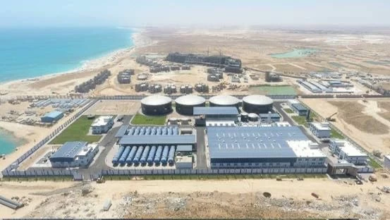
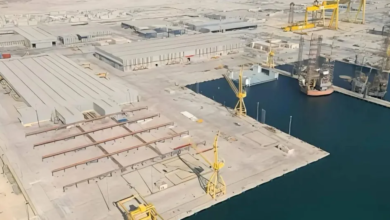
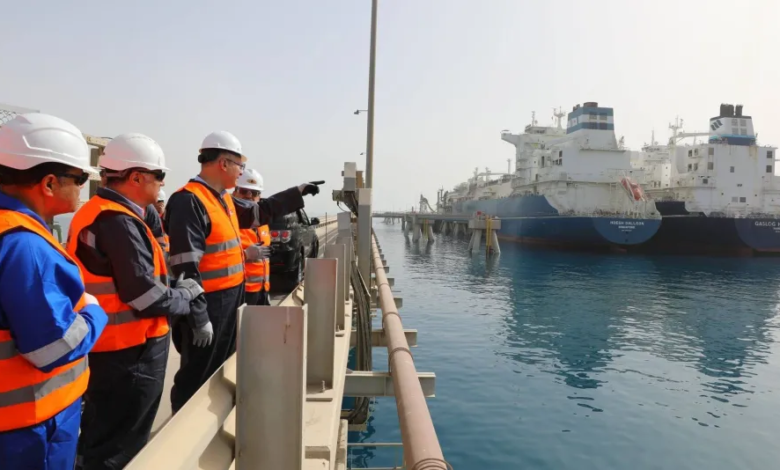
The Suez-Mediterranean Pipeline (SUMED) is a vital artery in the global oil trade. Stretching 320 kilometers from Ain Sukhna port on the Red Sea coast to Sidi Kerir port on the Mediterranean coast, its crucial importance lies in its ability to transport massive quantities of Gulf crude oil to European and American markets, bypassing the Suez Canal. This allows for the transport of cargoes carried by Very Large Crude Carriers (VLCCs), which might otherwise be unable to transit the canal fully loaded due to their draft.
Historical context and operational capacity
The pipeline was established in the 1970s under an agreement between Egypt and several Gulf Arab states (Saudi Arabia, Kuwait, the UAE, and Qatar) to create the Arab Petroleum Pipelines Company. With a capacity of approximately 2.5 million barrels per day, it is a cornerstone of Egypt's energy security. Historically, this pipeline has played a pivotal role in ensuring the continuity of supplies during previous regional crises, thus reinforcing Egypt's position as a regional energy hub.
Could it be an alternative to the Strait of Hormuz?
To answer this question accurately, one must consider the region's geopolitical map. Geographically, the SUMED pipeline lies downstream from the Strait of Hormuz, meaning that seaborne oil must first cross the strait to reach the Red Sea and then SUMED. However, the proposed "alternative" involves integrating with Saudi pipelines, specifically the East-West (Petroline) pipeline, which transports oil from the Kingdom's eastern fields to the port of Yanbu on the Red Sea. In this scenario, oil could be shipped from Yanbu to Ain Sukhna for pumping via SUMED to the Mediterranean, thus creating a complete route that effectively bypasses the Strait of Hormuz.
Economic and security impact
Activating this strategic integration not only enhances global energy security and reduces the risks of oil price volatility resulting from tensions in the Strait, but also brings significant economic benefits to Egypt through transit and storage fees. This role also underscores the importance of joint Arab cooperation in energy infrastructure, transforming the SUMED pipeline from a mere oil transport route into a safety valve for the global economy during times of crisis.